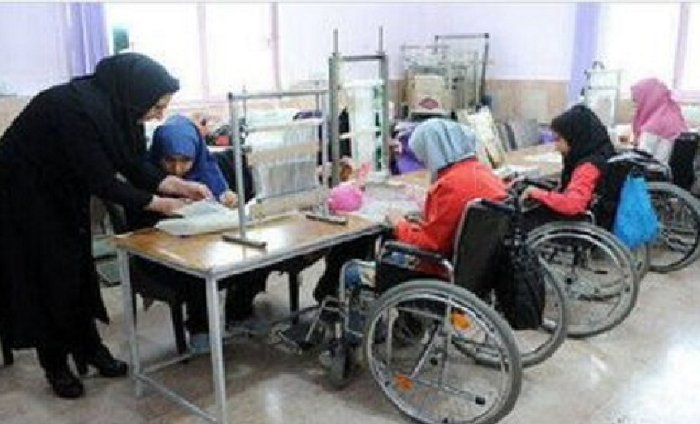
These deaths have been primarily attributed to pressure ulcers and infections due to an alarming lack of hygiene supplies. Mahnaz Kazemi, a director at the Iran Spinal Cord Injury Support Center, expressed deep concern over the dire situation faced by these individuals. “Especially after multiple price hikes in the country, the situation is grim,” she lamented. Based on the center’s database, these deaths were most frequently reported by the grieving families of the affected.
Having personally experienced a spinal cord injury four decades ago, Kazemi emphasized the crucial role hygiene plays in the care of those with such injuries. She painted a stark picture, explaining, “The cost of basic medical necessities is soaring, with sterile gauze alone costing between 20,000 to 30,000 rials (roughly $0.4 to $0.6). For someone with a spinal cord injury, these supplies can be more crucial than food itself.”
Kzemi’s revelations were even more distressing when she highlighted that most of the deceased were young adults between the ages of 22 to 35. While some deaths during the COVID-19 pandemic were attributed to the virus, Kazemi emphasized that the majority succumbed to the pervasive pressure ulcers and related infections.
August 20—Tehran, #Iran
A group of disabled people rally in front of the City Council, protesting the changes made to the transportation service for the disabled.#IranProtestspic.twitter.com/CBdoVfPyzP— People's Mojahedin Organization of Iran (PMOI/MEK) (@Mojahedineng) August 20, 2023
The emotional toll of these losses is evident. “We have lost individuals we regarded as friends. It’s heart-wrenching when a family contacts us, informing us that their loved one has been defeated by these pressure ulcers,” she shared.
Founded in 2006, the Iran Spinal Cord Injury Support Center is a notable non-governmental organization operating under the aegis of the State Welfare Organization of Iran. Remarkably, many of its directors, like Kazemi, are individuals who have experienced spinal cord injuries firsthand. The center presently supports 2,100 disabled individuals in Tehran province and an additional 700 beneficiaries from other regions.
Kazemi didn’t stop at just the immediate physical effects of the price hikes. She also shed light on the increasing number of suicides among the spinal cord injured due to insufficient counseling services. Tragically, the exact numbers remain elusive as many suicides go unreported, with some families only reaching out to the center about the passing of a beneficiary after a year.

MEK Iran (follow us on Twitter and Facebook), Maryam Rajavi’s on her site, Twitter & Facebook, NCRI (Twitter & Facebook), and People’s Mojahedin Organization of Iran – MEK IRAN – YouTu