Despite the abundance of evidence regarding its activities, the United Kingdom and the European Union have hesitated to label the IRGC as a terrorist organization. This decision stems not from ignorance but from a complex web of political calculations and strategic concerns.
The IRGC is known for its deep involvement in various militant and terrorist activities across the Middle East and beyond. Its influence extends from the political and military spheres to economic sectors within Iran, wielding power that affects not only regional but also global stability. Western intelligence is well aware of the IRGC’s capabilities and history, yet the decision to formally designate it as a terrorist group is entangled in broader geopolitical strategies.
In 2023, a significant push from over 4,000 legislators worldwide, including prominent members from the UK’s Parliament, urged their governments to recognize the IRGC as a terrorist entity. However, this call has been largely ignored by European governments. This reluctance is seen as a strategic miscalculation, possibly influenced by economic interests, political advisors, or a hope for future negotiations with Iran’s regime.
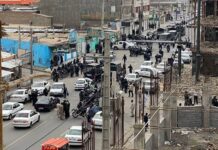
#Iran regime’s sudden surge in terror operations is due its inability to subdue the #IranProtests that began in Dec 2017 & continue in different forms. Regime’s survival is dependent on terror against its opponents & suppression at home. #ExpelIranDiplomatTerrorists #FreeIran2018 pic.twitter.com/InHiygwfJV
— Mohammad Mohaddessin (@Mohaddessin) October 4, 2018
Critics argue that Western countries are underestimating the transformation within Iran’s political landscape and the diminishing prospect of returning to negotiation conditions similar to those in 2015. Since then, Iran and the world have changed drastically. The aftermath of a global pandemic and multiple international conflicts have reshaped priorities and perceptions, leading to a tolerance for appeasement that might seem to embolden regimes like Iran’s.
Additionally, regional dynamics in the Middle East have been volatile. Efforts to form coalitions against the Iranian regime have been disrupted, highlighting the fragile nature of regional alliances and the potential repercussions of any forceful stance against Iran.

Domestically, Iran has seen significant unrest. Economic hardships have fueled widespread protests since 2017, with the populace increasingly opposing the clerical rule. In response, the regime has tightened its grip, consolidating power within the IRGC and other key institutions, which are now instrumental in controlling almost every aspect of Iranian society.
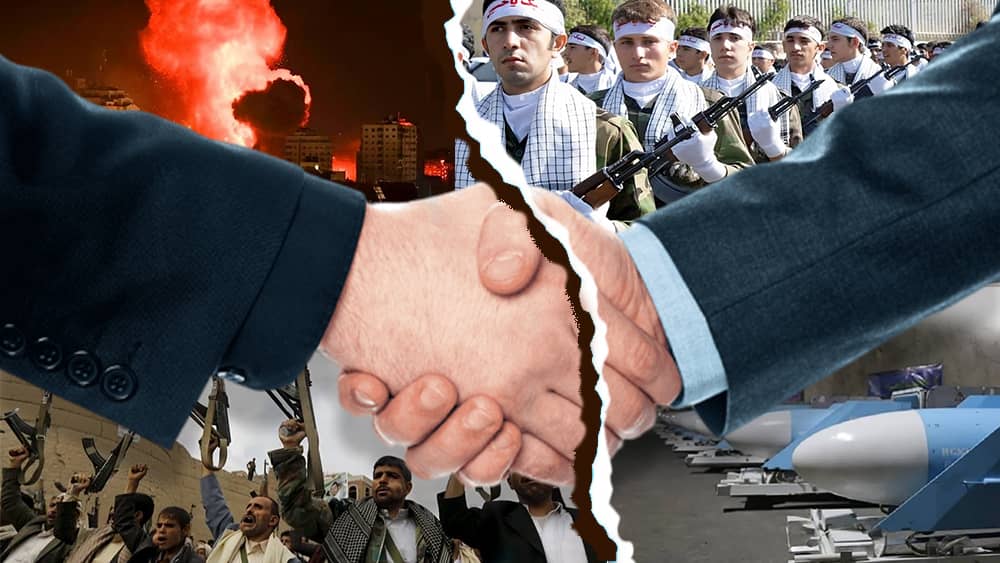
The organization is also accused of running extensive criminal networks, including drug trafficking and money laundering. The hesitation to designate the IRGC as a terrorist organization reflects a complex interplay of immediate political interests and long-term strategic visions. Western nations, particularly those in Europe, face a critical decision: continue their current policy, which might be perceived as inaction and appeasement, or take a definitive stand that could reshape their relations with Iran.
Why Firmness Will Prevent War with #Iran pic.twitter.com/FldhbJpZ3X
— NCRI-FAC (@iran_policy) April 3, 2024
This decision, while fraught with risks and uncertainties, is crucial. The history of appeasement in international relations teaches that delay and indecision can empower more aggressive actions by those like the IRGC. The ultimate choice will have profound implications not only for regional stability but for the global order itself.

MEK Iran (follow us on Twitter and Facebook), Maryam Rajavi’s on her site, Twitter & Facebook, NCRI (Twitter & Facebook), and People’s Mojahedin Organization of Iran – MEK IRAN – YouTu