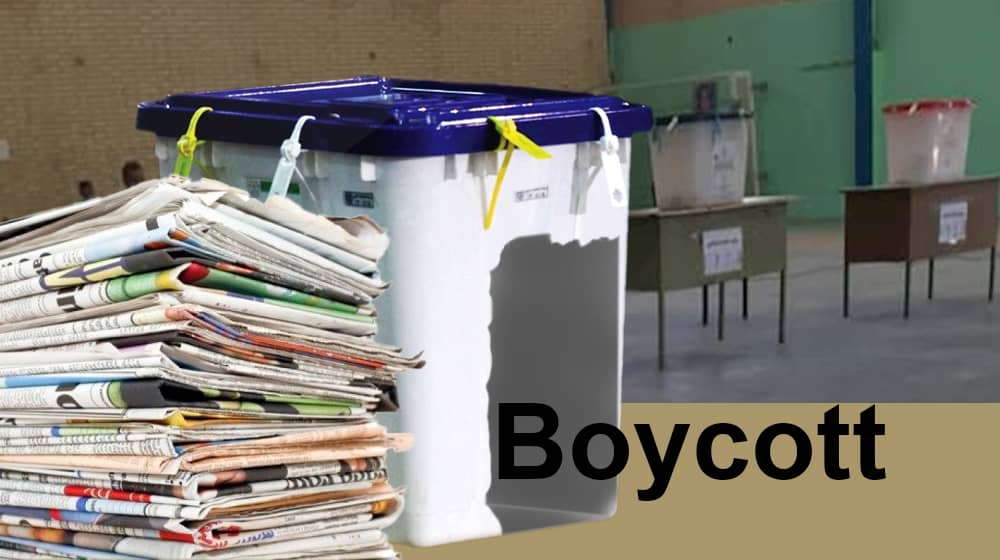
With a voter turnout of just 8% in the second round of elections, various media outlets and regime insiders have labeled the process a “disaster” and a “scandal,” exposing deep rifts within the ruling establishment.
The low participation rate in Tehran, described by former Minister of Communications Mohammad-Javad Azari Jahromi as a testament to 92% of the populace’s rejection of the regime, has set off a cascade of criticism and ridicule aimed at government officials. Ahmad Vahidi, the Minister of Interior Affairs, bizarrely referred to the electoral debacle as a “heroic saga,” prompting scathing sarcasm from state-run media, including headlines mocking the regime’s narrative of resilience and unity.
The controversy extends deep within the regime’s own ranks, with newspapers tied to Supreme Leader Ali Khamenei, like the Islamic Revolutionary Guard Corps-run Javan and Resalat, openly mocking the electoral process and the regime’s attempts at “purification” of its ranks.
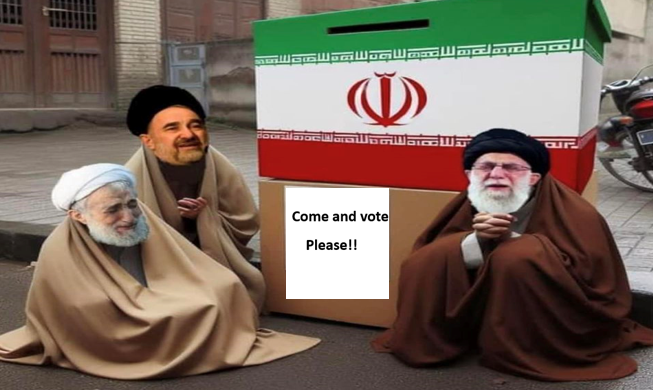
Supreme Leader Khamenei’s strategy of consolidating power by promoting allies like President Ebrahim Raisi and attempting to close ranks has, ironically, led to more visible cracks within the establishment. This is highlighted by the vehement internal power struggles and public airing of grievances by officials, who now openly challenge Khamenei’s policies and decisions.
Critiques focus sharply on the disconnect between the regime’s pursuit of unity and the stark non-participation in the elections, with some insiders accusing the leadership of fostering division rather than coherence.
Despite Khamenei’s efforts to tighten his grip on power through a series of political maneuvers including the removal of more radical elements from the government the recent events suggest these moves have backfired. In a significant departure from his usual rhetoric, Khamenei has recently called for restraint in political discourse, urging against “spreading hatred” and contentious rhetoric, which he fears could further “destroy the sweetness of the new parliament.”
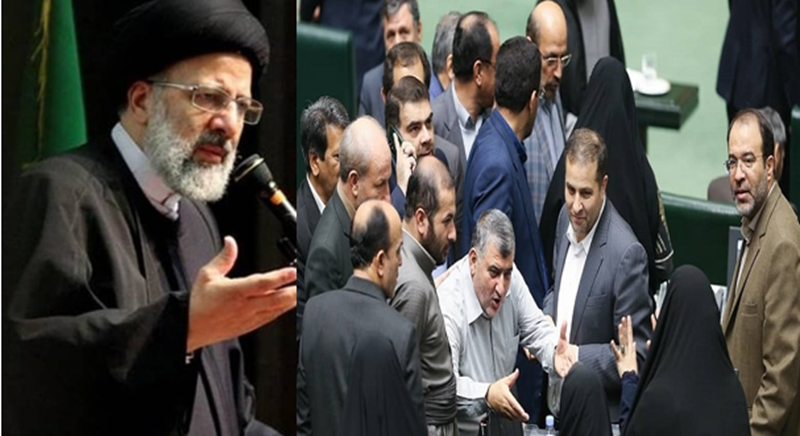
The overwhelming boycott of the elections has served as a clear indicator of the populace’s demand for substantive change, reflecting a broader desire for regime change rather than mere electoral participation.
As Iran grapples with these internal challenges and the public’s escalating demand for revolution, the stability of the regime remains uncertain. The ongoing crisis underscores the critical need for a genuine dialogue between the government and its citizens to bridge the widening divide a task that seems increasingly daunting amid the current political climate.

MEK Iran (follow us on Twitter and Facebook), Maryam Rajavi’s on her site, Twitter & Facebook, NCRI (Twitter & Facebook), and People’s Mojahedin Organization of Iran – MEK IRAN – YouTu