His statements covered various aspects of the Iranian regime’s achievements, from economic improvements to social welfare enhancements. However, a deeper look reveals significant discrepancies between Raisi’s assertions and the reality on the ground.
Raisi’s claims ranged from reducing liquidity growth and controlling inflation to eradicating poverty and providing free utilities and healthcare. He also boasted about increased production and subsidies. Yet, these assertions lack substantial evidence and are widely regarded as baseless.
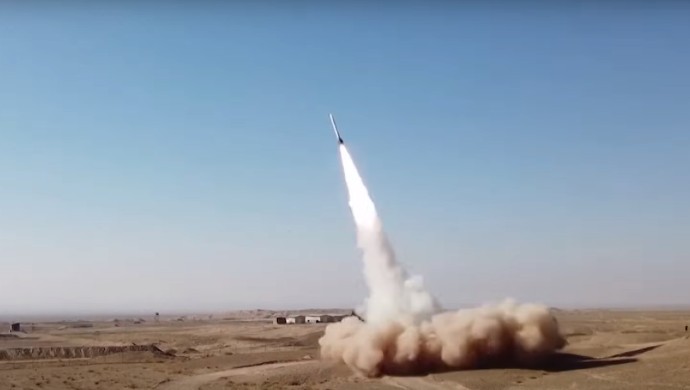
Raisi asserted that this operation “lifted the shadow of war from the country.” The logic behind how a military attack could alleviate the threat of war remains unclear and unconvincing. Raisi further elaborated that the missile attack had unified various political currents and would positively impact the economic and social domains.
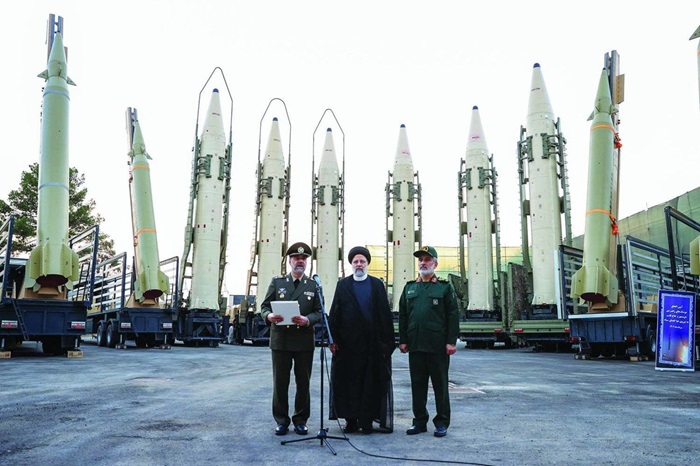
Raisi’s statement that “the overflow of this power (missile power) can be seen in the economic situation and other endeavors” is particularly perplexing. Critics argue that by “economy,” Raisi might be alluding to the financial gains of the regime’s elite, who have amassed wealth through illicit activities such as smuggling missile components and nuclear equipment.
This perspective underscores a broader strategy of the regime, which hinges on three main principles: brutal suppression, nuclear ambitions, and regional warmongering.
These strategies, while perhaps effective in maintaining the regime’s grip on power, do little to address the underlying issues faced by ordinary Iranians. Instead, they exacerbate public discontent. The regime’s focus on military prowess and nuclear capabilities diverts resources away from addressing the basic needs of its population, leading to widespread anger and resentment.
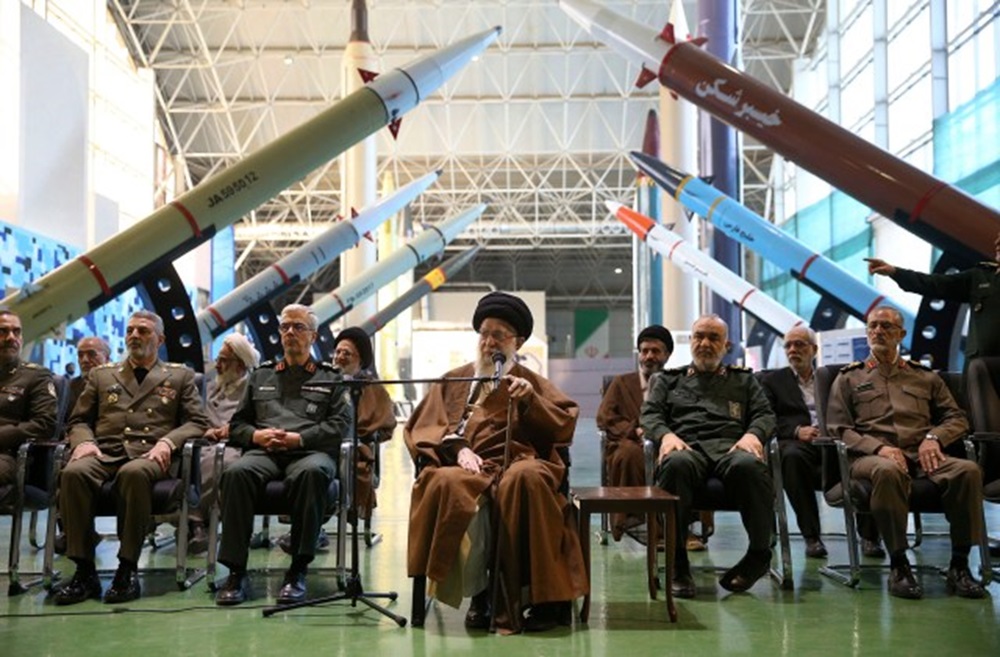
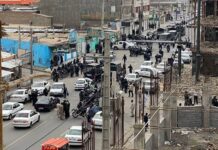
In protests, Iranians often chant, “Our enemy is right here!” This slogan reflects the public’s frustration with a regime that prioritizes its survival over the welfare of its people. The regime’s investment in missile and nuclear programs, at the expense of social and economic development, highlights a stark disconnect between the government and its citizens.
Raisi’s interview, filled with grandiose yet dubious claims, serves as a stark reminder of the Iranian regime’s continued reliance on propaganda and repression. As the regime faces increasing internal and external pressures, its strategies of deceit and coercion appear ever more unsustainable.
The Iranian people’s growing discontent suggests that the regime’s days of unchallenged rule may be numbered, with its claims of progress seen as little more than desperate attempts to cling to power.

MEK Iran (follow us on Twitter and Facebook), Maryam Rajavi’s on her site, Twitter & Facebook, NCRI (Twitter & Facebook), and People’s Mojahedin Organization of Iran – MEK IRAN – YouTu