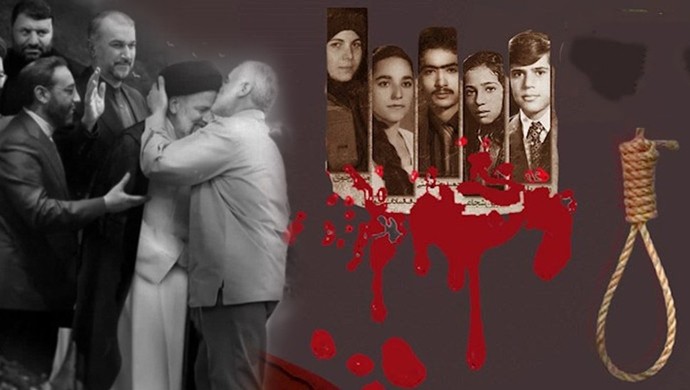
In the turbulent socio-political landscape of Iran, the regime’s relentless propaganda efforts to sanitize the tarnished reputation of President Ebrahim Raisi have drawn widespread criticism. The regime’s attempts to rewrite history and portray Raisi as free of any crime or atrocity have only deepened the public’s disdain, revealing a profound disconnect between the rulers and the ruled.
Iran’s Supreme Leader, Ali Khamenei, is spearheading this campaign, recognizing the deep-seated resentment among Iranians towards Raisi and the infamous Death Committee of the 1988 massacre. This committee, responsible for the execution of thousands of political prisoners, is viewed as a symbol of the regime’s brutality. The public memory of these events is so entrenched that no amount of propaganda can erase the collective trauma experienced by the Iranian people.
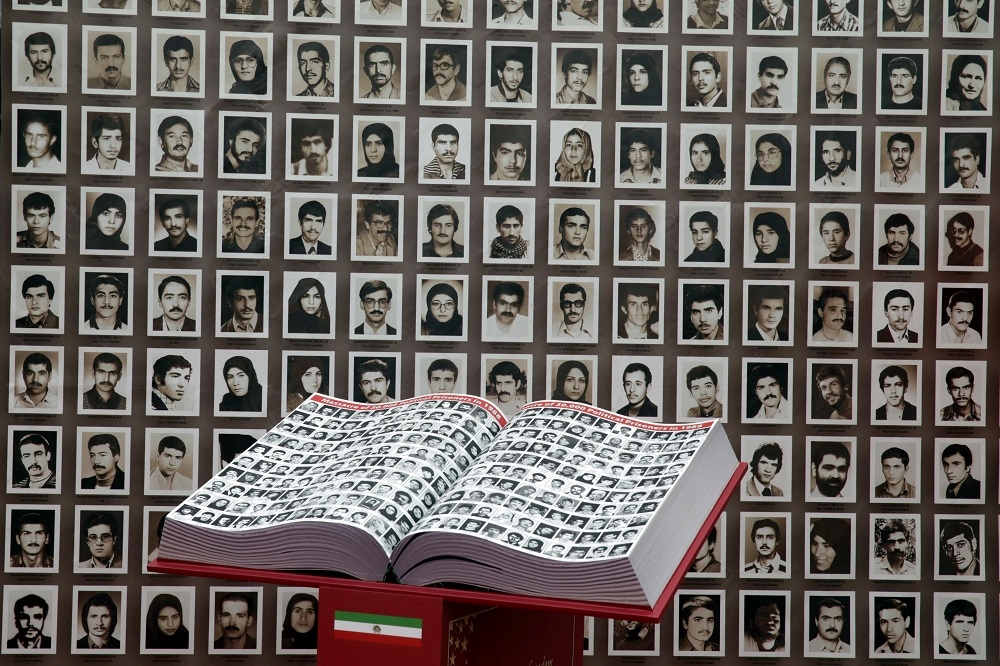
This campaign, however, is not just about reputation management. It is an acknowledgment of the regime’s ongoing struggle with a population that refuses to forget the atrocities committed by its leaders. The scale and intensity of this propaganda effort are unprecedented, even compared to other deceased officials of the regime.
This movement has gained significant traction both domestically and internationally, with survivors and legal advocates calling for the prosecution of those responsible for the mass executions. The recent conviction of Hamid Noury, a key figure in the massacre, has further encouraged this movement and demonstrated the possibility of bringing the executioners to justice.
Khamenei’s strategy to appoint Raisi as president and purge the regime of dissenters underscores a desperate bid to maintain control. However, this move has only amplified public outrage and highlighted the regime’s fear of the indomitable collective memory of the Iranian people. The propaganda campaign has backfired, serving as a stark reminder of the regime’s oppressive history rather than erasing it.
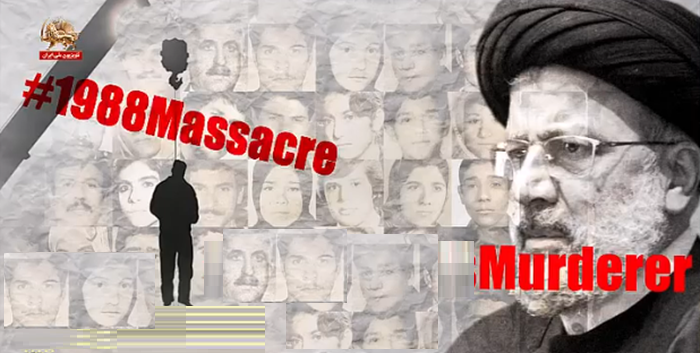
Despite the regime’s formidable propaganda machine, the resilience of the Iranian people’s memory remains unshaken. The efforts to expose and document the regime’s atrocities, particularly the 1988 massacre, continue to resonate. The collective memory of these events, fortified by years of resistance and the unyielding quest for justice, stands as a testament to the Iranian people’s enduring spirit. No amount of state-sponsored revisionism can obscure the truth or quell the desire for accountability and change.

MEK Iran (follow us on Twitter and Facebook), Maryam Rajavi’s on her site, Twitter & Facebook, NCRI (Twitter & Facebook), and People’s Mojahedin Organization of Iran – MEK IRAN – YouTu