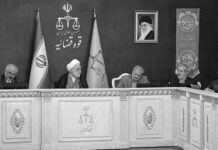
This decision has been labeled a betrayal of human rights and an endorsement of terrorism and hostage-taking. Many of the victims were members and supporters of the People’s Mojahedin of Iran (PMOI/MEK). Noury, as one of the executioners, was integral to these atrocities. His conviction in Sweden was a significant moment for justice and a beacon of hope for the families of the victims.
However, the recent swap deal, which saw Noury handed back to Iran, has ignited a wave of protests and outrage. In Stockholm and other European cities, freedom-loving Iranians took to the streets to voice their anger, accusing the Swedish government of appeasement. These demonstrations have echoed across the globe, highlighting the perceived capitulation to Iran’s hostage-taking tactics.
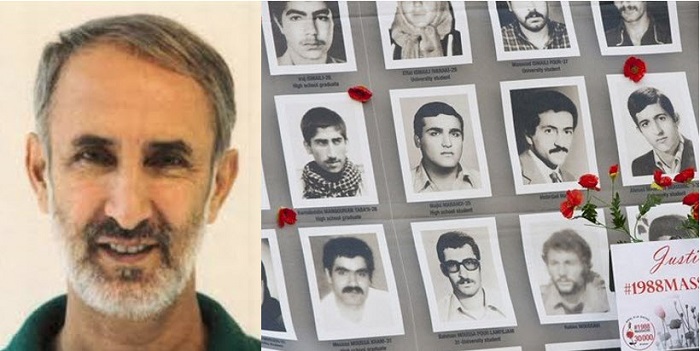
Iranian opposition President-elect Maryam Rajavi of the National Council of Resistance of Iran (NCRI), criticized the Swedish government’s actions, warning that it emboldens the Iranian regime to further its terrorist activities on Swedish soil. The NCRI, a coalition opposed to Iran’s Islamic Republic, views this move as Sweden yielding to blackmail. Reuters quoted Rajavi stating, “Surrendering to the criminal mullahs and hostage-takers emboldens them to further turn Swedish territory into a roaming ground for their terrorist activities.”
In Iran, the response was equally fierce. Rebellious youths set fire to regime centers in various cities, including Tehran, Karaj, Shiraz, and Qazvin, showing their defiance against the deal and the regime’s continuing repression.
Legal representatives and activists have also voiced their dismay. Kenneth Lewis, a lawyer for several plaintiffs in the Noury case, expressed his clients’ devastation and disbelief at the release. “This is an affront to the entire justice system and everyone who has participated in these trials,” he told Reuters.
All prisoners, torture victims, plaintiffs, families of massacre victims, and the entire Iranian nation vehemently condemn the disgraceful release of Hamid Noury. They neither forgive nor forget.
Surrendering to the criminal mullahs and hostage-takers emboldens them to further… pic.twitter.com/nTWlizQWFh— Maryam Rajavi (@Maryam_Rajavi) June 15, 2024
The decision has drawn criticism from international media and organizations. Agence France-Presse described the release as “shameful and unjustifiable,” while the Swedish newspaper Aftonbladet warned that it undermines Swedish law and weakens the judiciary’s credibility.
The United Nations fact-finding commission has called for global accountability for crimes against humanity in Iran. Noury’s release, therefore, not only breaches Sweden’s judicial principles but also its international obligations. In a statement, The NCRI Judiciary Committee highlighted Iranians’ persistent efforts to seek justice, noting 121 demonstrations outside Swedish courts since August 2021.
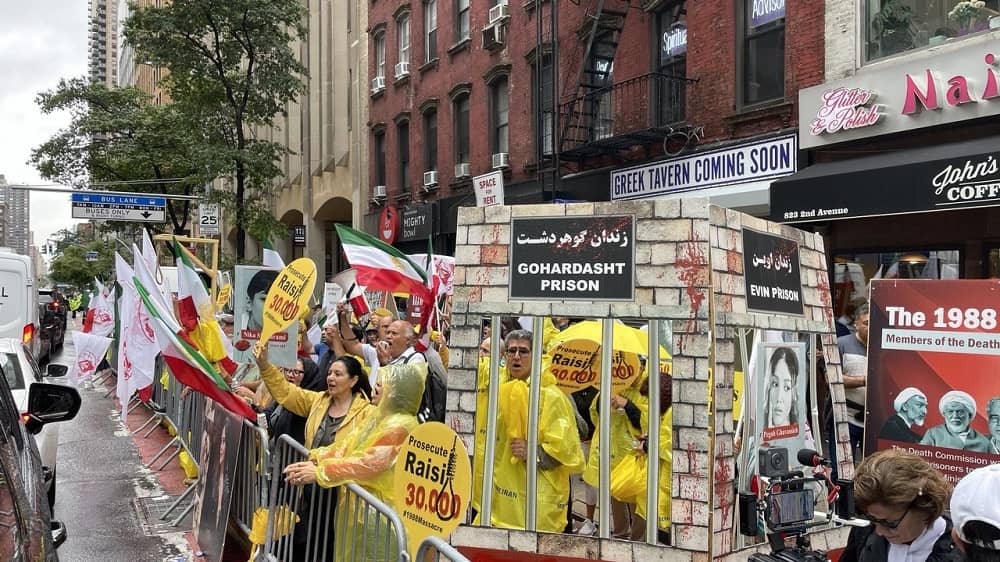
Mrs. Rajavi’s poignant statement captures the sentiment of many: “All prisoners, torture victims, plaintiffs, families of massacre victims, and the entire Iranian nation vehemently condemn the disgraceful release of Hamid Noury. They neither forgive nor forget.”

MEK Iran (follow us on Twitter and Facebook), Maryam Rajavi’s on her site, Twitter & Facebook, NCRI (Twitter & Facebook), and People’s Mojahedin Organization of Iran – MEK IRAN – YouTu