This dark chapter, often labeled by human rights activists as one of the most significant political slaughters post-World War II, saw over 90% of the executed being members of the People’s Mojahedin of Iran (PMOI/MEK).
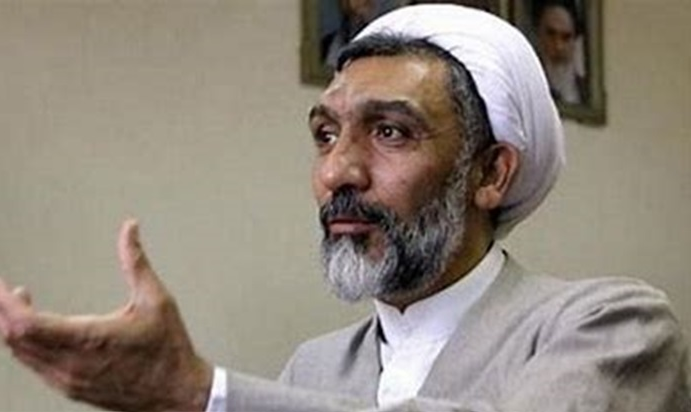
Pourmohammadi’s interview combined denials, deflections, and admissions, shedding light on both the brutal history of the clerical regime and its current efforts to evade accountability amid increasing scrutiny. In a state known for suppressing dissent, Pourmohammadi’s seemingly transparent interview aimed to clear his name from the massacre, depicting him as a public servant enforcing the law under difficult circumstances.
When questioned about his association with executions, Pourmohammadi responded, “What can I do about it? I was a judge at one point. Some went to prison, some were fined, and some were executed. Just like a surgeon is associated with surgery, a judge is linked with judgments.” His remarks sought to normalize his role in the mass executions, comparing his duties to routine professional tasks.
#Iran’s Regime Admits Failure in 44-Year Effort to Discredit #MEKhttps://t.co/rgxK3iXWrE
— NCRI-FAC (@iran_policy) January 29, 2024
Pourmohammadi admitted that those he executed were unwavering in their beliefs, highlighting the regime’s goal to suppress dissent and force submission. “Do you know how many people I pardoned?” he asked rhetorically, emphasizing his efforts to persuade prisoners to abandon their cause to avoid execution. His narrative contrasts sharply with accounts from former prisoners and human rights activists, who argue that many were unaware of the fatal consequences they faced.
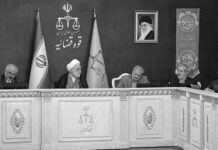
He recounted instances of pleading with prisoners to renounce their struggle, framing his actions as efforts to save lives rather than enforcing ruthless policies. This portrayal starkly contrasts with the reality of the “death committees” that operated across Iran, including the one he served on in Tehran alongside Ebrahim Raisi.
Despite his attempts to downplay his role, Pourmohammadi acknowledged the regime’s failure to effectively counter the MEK’s influence through propaganda and censorship over the past 45 years. “Admittedly, we didn’t do enough to tell the correct stories,” he conceded, reflecting the regime’s ongoing struggle to control the narrative.
Pourmohammadi also tried to justify the public’s harsh view of the MEK, suggesting that popular opinion in the 1980s demanded severe actions against them. “The situation was different in the 1980s. Back then, the people supported us and even demanded harsher actions against the MEK,” he stated, attempting to shift blame onto societal pressures.
Former MOIS Interrogator Warns Against #MEK Influence in #Iran, Calls for Internet Restrictionshttps://t.co/FKQS8AGR8F
— NCRI-FAC (@iran_policy) January 10, 2024
Reflecting on his decisions, Pourmohammadi claimed that wartime circumstances necessitated harsh measures. However, he admitted that with today’s experience, the regime might have mitigated the “excesses” of their actions. This retrospective stance aimed to soften the historical perception of his and the regime’s roles in the massacre.
Pourmohammadi’s interview underscores the regime’s desperation to cleanse its image and the lengths its officials will go to rewrite history. Despite their efforts, the shadow of the 1988 massacre continues to loom large, casting doubt on the regime’s credibility and its attempts to maintain a grip on power amid growing domestic and international pressure.

MEK Iran (follow us on Twitter and Facebook), Maryam Rajavi’s on her site, Twitter & Facebook, NCRI (Twitter & Facebook), and People’s Mojahedin Organization of Iran – MEK IRAN – YouTu