Despite the regime’s vigorous campaigning and coercive measures, the polling stations across the country remained conspicuously empty. Following the untimely death of President Raisi in a helicopter crash on May 19, the regime pushed for an expedited election. Supreme Leader Ali Khamenei stressed the critical importance of voter turnout, urging citizens to participate in what he termed a “political test.” However, the populace appears to have largely ignored these appeals.
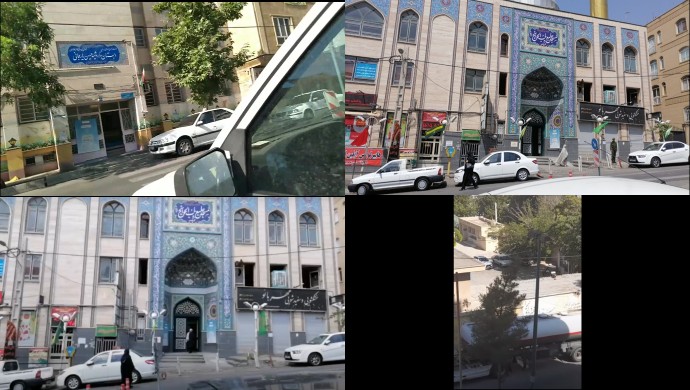
By 9:00 am CET, reports from cities like Chalus, Isfahan, and Tehran’s Narmak district indicated empty polling stations. State media, including the regime’s Tasnim News Agency, inadvertently showcased the low turnout by broadcasting footage of deserted voting sites in typically bustling locations.
The pattern continued throughout the morning and into the afternoon. PMOI activists reported near-empty polling stations in key cities such as Tabriz, Kermanshah, Mashhad, and more. Security forces, including over 220,000 personnel, were deployed across the nation to manage the election process, but their presence did little to boost voter participation.
Eyewitnesses and activists captured images and videos of deserted polling stations, further highlighting the public’s disengagement. In Tehran, for instance, key polling stations saw negligible turnout, with some locations recording only a handful of voters by midday.
As the day progressed, regime authorities resorted to more coercive tactics. Prisoners in various facilities, including Evin and Ghezel Hesar, were forced to vote under threats of punitive measures. In some instances, ballots were pre-filled, and prisoners were compelled to provide fingerprints as verification.
Former President Mohammad Khatami’s attempt to galvanize the electorate by casting his vote was met with indifference. His participation, intended to symbolize potential reform, did little to alter the prevailing sentiment of disenchantment with the regime.
By mid-afternoon, reports from 2,260 polling stations in 180 cities confirmed the widespread boycott. Even in the face of regime pressure and extended voting hours, turnout remained dismally low. Basij and IRGC members were seen ferrying voters to multiple stations to inflate numbers artificially.
Former Iranian regime president Mohammad Khatami casting his ballot in the sham election. The regime’s media widely publicized his attendance to stir hope and encourage people to vote.
But the people have made it clear that their vote is regime change.pic.twitter.com/TKXv4JLDW7— People's Mojahedin Organization of Iran (PMOI/MEK) (@Mojahedineng) June 28, 2024
The Ministry of Interior’s announcement of a nationwide extension of voting hours until 8 PM underscored the regime’s desperation. However, the extension did little to change the outcome. From Tehran to Tabriz and beyond, the scene was one of empty polling stations and minimal voter engagement.
Mrs. Maryam Rajavi, president-elect of the National Council of Resistance of Iran (NCRI), hailed the boycott as a decisive rejection of the regime. She described the low turnout as a clear signal of the Iranian people’s desire for regime change and a move towards a democratic republic.
June 28—Yazd, central #Iran
Empty polling station on the regime's election day. Despite the regime's pleads, the people are refusing to vote as they have made it clear that their vote is regime change.pic.twitter.com/vUxlfGir6p— People's Mojahedin Organization of Iran (PMOI/MEK) (@Mojahedineng) June 28, 2024
As the evening closed, reports from 237 cities painted a consistent picture: the Iranian populace had overwhelmingly turned its back on the regime’s electoral farce, signaling a profound discontent and a call for change.

MEK Iran (follow us on Twitter and Facebook), Maryam Rajavi’s on her site, Twitter & Facebook, NCRI (Twitter & Facebook), and People’s Mojahedin Organization of Iran – MEK IRAN – YouTu