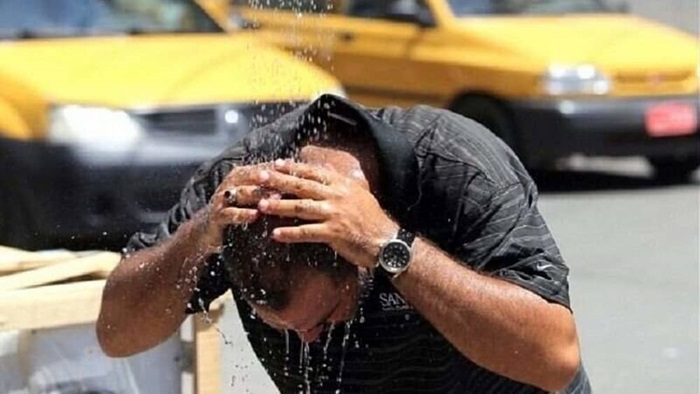
This drastic measure follows persistent blackouts that have left residents across Tehran and other cities frustrated and angry in the sweltering heat. A report from Khabar Online on July 27 highlighted that power was cut for nearly 12 hours in western Tehran. “The unprecedented heat in Tehran has become unbearable,” the report stated. “Prolonged power cuts hinder the use of cooling equipment, causing significant discomfort for residents, especially in District 22, including Chitgar Town.”
Power outages are not confined to Tehran. They have also affected areas in Qom, Semnan, and Sorkheh. On July 28, Arman-e-Melli newspaper noted, “The energy imbalance crisis reemerges with the onset of summer, leading to the shutdown of industries. The Iranian economy is likely to continue facing this crisis and power shortages in the coming years. Price controls and production barriers are among the short-term challenges confronting the industry.”
Energy expert Abdollah Babakhani told the Jamaran news site, “Sixty percent of the country’s industrial power has been cut despite the closure of urban public offices and facilities. The country is on the brink of a shutdown due to a 25 percent power deficit.” He added, “We are losing six times the electricity produced by the Bushehr Nuclear Power Plant.”
Facts and stats on #energy crisis in #Iranhttps://t.co/vSTBtLvV3R
— NCRI-FAC (@iran_policy) August 26, 2023
The power crisis has also disrupted healthcare facilities. On July 24, Tejarat News reported a power cut at Khomeini Hospital in Mahallat, Markazi Province, affecting 18 patients undergoing dialysis. A patient’s relative said, “Power cuts to dialysis machines mean severe shock to patients. The blood removed for purification returns to the body with the help of these machines, and when the power is cut, this cycle stops.” On July 27, Mohammad-Taqi Ashoobi, head of Guilan University of Medical Sciences, addressed a power cut incident at Pirouz Hospital in Lahijan, resulting in the hospital director’s dismissal.
Energy Minister Ali-Akbar Mehrabian blamed the public for the crisis, warning that the heatwave and increased electricity consumption have made power production and supply more difficult. “The average growth in electricity consumption over the past years was about four percent, but it has exceeded eight percent this year and is expected to reach nine percent in the coming days,” Mehrabian noted.
#Iran News in Brief
While #Iranians struggle wit power outages& high fuel prices, Ebrahim Raisi told Pakistani FM: "The Islamic Republic of Iran has the necessary capacity to meet #Pakistan’s needs in various fields, including oil, gas, and electricity.”https://t.co/UC49CMzRZK pic.twitter.com/NVeA9gzjMn
— NCRI-FAC (@iran_policy) June 15, 2022
Tejarat News described the power shortage as one of the country’s main challenges, ringing alarm bells for the health sector and affecting patient care. “Power cuts in hospitals mean the failure of vital equipment like ICUs, CCUs, and dialysis units, especially in smaller cities,” the news outlet emphasized.Mostafa Rajabi Mashhadi, CEO of the power company Tavanir, stated that the unprecedented heat has increased energy consumption and put additional pressure on the national power grid.
“The average temperature in Iran these days is 1.5 to 2 degrees higher than the same period last year,” he said. On July 29, Nasser Beyki, President of the Arak Chamber of Commerce, Industries, Mines, and Agriculture, highlighted the economic impact of power cuts, saying, “Iranian manufacturing industries incur losses of 5,000 billion tomans for each day of energy imbalance-related closures.” Beyki criticized the export of electricity to Iraq, which is bartered for unrelated goods while domestic factories suffer losses.
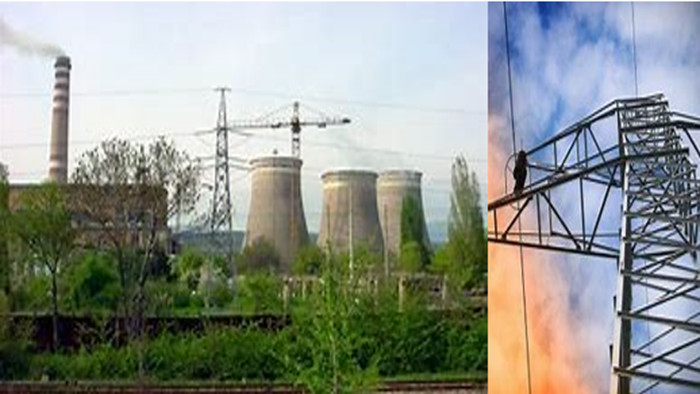
“If this situation persists, in ten years, we will have a production gap of about 37,000 megawatts, meaning one-third of the country’s electricity needs will not be met,” he said. Riyahi emphasized the need for investment to address the imbalance and prevent widespread blackouts affecting households and businesses alike.
As the heatwave intensifies and power demands surge, the Iranian regime’s failure to implement comprehensive solutions to stabilize the energy sector and safeguard the economy and public health remains evident. Instead, the regime continues to prioritize funding regional conflicts and projects for weapons of mass destruction, neglecting the urgent needs of its citizens.