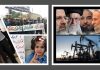
This grassroots movement, which started in a few prisons, has now expanded to include major cities such as Tehran, Karaj, Mashhad, and Tabriz, as well as smaller towns like Khoy, Naqadeh, and Saqqez.
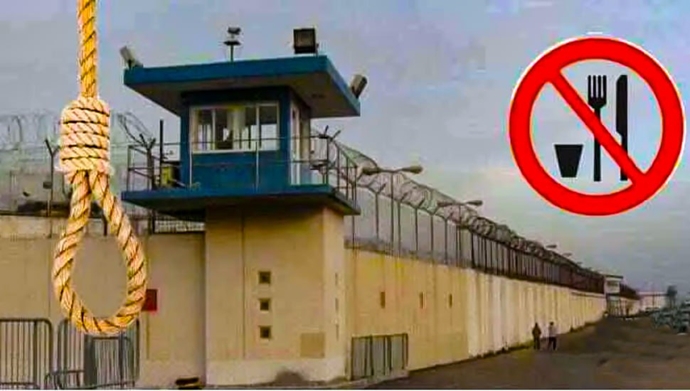
The most recent protests began on Tuesday, July 30, 2024, with prisoners in various wards of Evin Prison, Ghezel Hesar, Central Karaj, Khorramabad, and other facilities launching hunger strikes. The campaign has gained further momentum with the inclusion of Nezam Prison in Shiraz, marking a significant expansion of the movement.
This surge in prisoner activism is a response to the alarming rise in executions across Iran. In just one week, 23 prisoners, including four women, were executed in prisons from Zahedan to Urmia. The execution of Kamran Sheikheh, a 40-year-old Sunni political prisoner, on July 25 in Urmia Prison after 15 years of imprisonment, has become a focal point for the movement. Sheikheh’s case is emblematic of the concerns raised by the campaigners. He was arrested during the 2009 uprising and, along with six other Sunni compatriots, was subjected to severe torture and a deeply flawed judicial process.
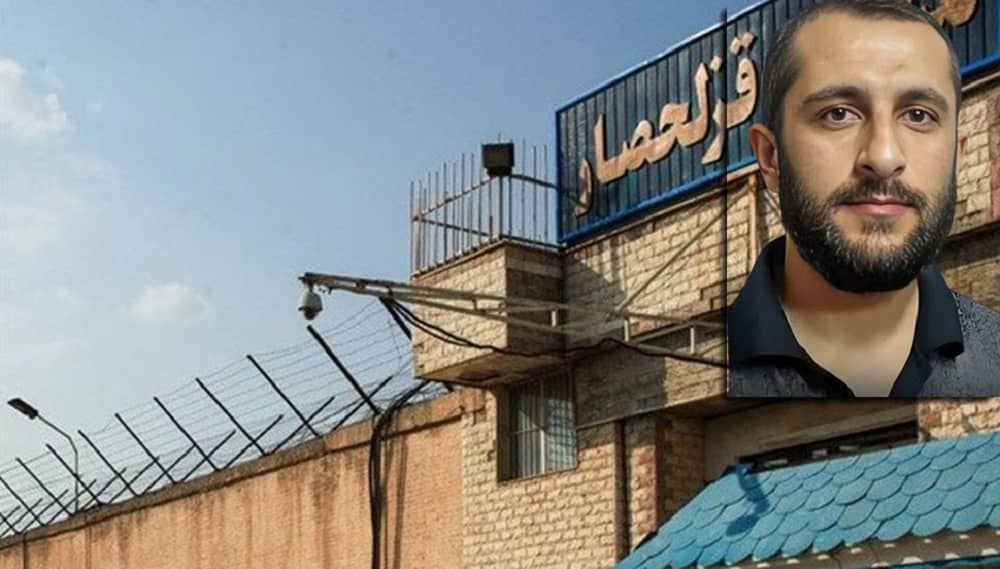
These charges were handed down by a criminal judge internationally sanctioned for human rights abuses. The death sentences were confirmed in June 2018 by another controversial judge, and the Supreme Court upheld these sentences in 2019. The handling of this case exemplifies the systemic issues within Iran’s judicial system, which the campaign seeks to highlight.
The movement has also spotlighted the plight of Kurdish political prisoners. Recently, three individuals from Bukan – Soleiman Adhami, Hossein Khosravi, and Hiwa Nouri – were accused of “Baghi” (rebellion against Islamic rule) in the Revolutionary Court of Urmia. Activists argue that these charges were brought without basic rights or fair trial procedures, raising fears of imminent death sentences.
On July 24, political prisoners in the women’s ward of Evin Prison staged a protest and sit-in following the death sentence issued for Pakhshan Azizi, a Kurdish political prisoner. In a powerful act of solidarity, they chanted slogans against the regime and symbolically burned a noose, vowing to “stand until the end for the abolition of the death penalty.” Azizi’s case, along with similar verdicts against Sharifeh Mohammadi and others, underscores the regime’s targeted effort to suppress women and instill fear among the population.
These developments have drawn international attention and condemnation. Javaid Rehman, the UN Special Rapporteur on Human Rights in Iran, recently issued a report condemning the regime’s history of arbitrary killings, labeling them as crimes against humanity and genocide. Rehman has called for the prosecution of those responsible, adding to the international pressure on Iran.
The “No to Execution Tuesdays” campaign represents a significant challenge to the Iranian regime’s use of capital punishment. Through coordinated hunger strikes and protests across multiple prisons, the movement aims to draw attention to systemic human rights violations and the arbitrary use of the death penalty as a tool of political repression. The striking prisoners have called on political and human rights activists, as well as international organizations, to amplify their cause and push for the abolition of executions, torture, and other inhumane sentences.
As the campaign enters its 27th week, it stands as a powerful testament to the resilience of political prisoners in Iran and their unwavering commitment to human rights. The involvement of prisoners from diverse backgrounds underscores the widespread opposition to the death penalty in Iran. The Iranian Resistance has urged the UN and human rights organizations to take immediate action to free political prisoners and save those on death row. They call for accountability from regime leaders, including Supreme Leader Ali Khamenei, for their crimes against humanity and genocide over the past four decades.

MEK Iran (follow us on Twitter and Facebook), Maryam Rajavi’s on her site, Twitter & Facebook, NCRI (Twitter & Facebook), and People’s Mojahedin Organization of Iran – MEK IRAN – YouTu