This instability is the result of two critical failures: the international community’s underestimation of Islamic fundamentalism and the Western world’s attempts to appease Tehran’s theocratic government.
Despite consistent warnings from the National Council of Resistance of Iran (NCRI) about the dangers posed by Islamic fundamentalism, Western nations have pursued diplomatic engagement with Iran’s mullahs, inadvertently strengthening a regime that poses a significant threat to global security.
For decades of appeasement, Western powers have adopted policies that have inadvertently empowered the Iranian regime. They have disarmed Iranian Resistance forces, frozen their assets, and imposed bans on affiliated organizations, all while fueling a campaign of misinformation against the Resistance movement.
These actions have undermined the NCRI and contributed to the current turmoil in the Middle East. The fallout from these policies is now being felt beyond the region, with Western nations experiencing destabilization in their own economic and social conditions.
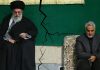
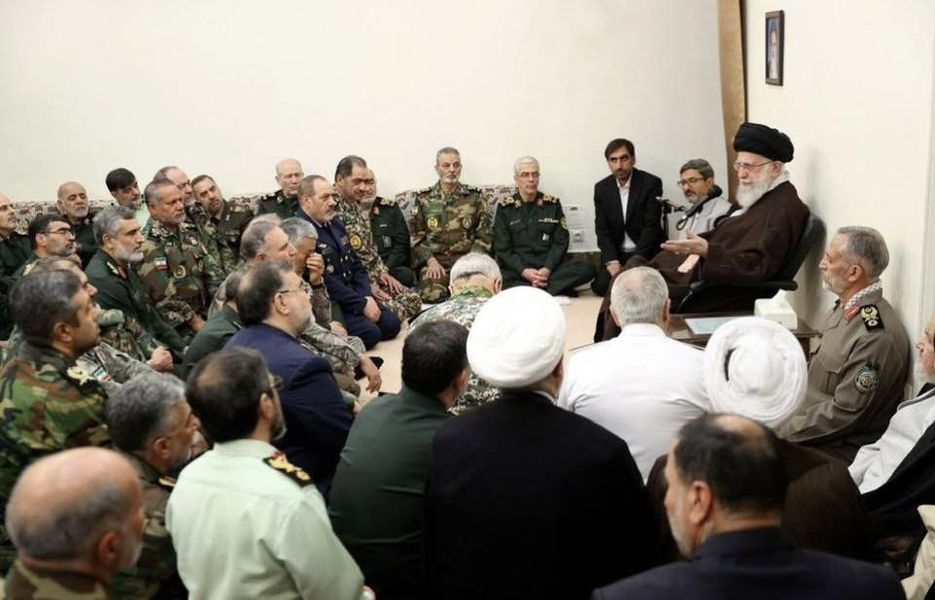
At the heart of Iran’s internal challenges lies Supreme Leader Ali Khamenei, who faces a precarious situation. Any compromise could be interpreted as a sign of weakness, potentially destabilizing his authority within the regime and among his proxy forces. Complicating matters further is the growing vulnerability of the Islamic Revolutionary Guard Corps (IRGC), a key pillar of Khamenei’s power.
Rampant economic corruption and serious security breaches have weakened the IRGC, diminishing its ability to support the regime effectively. Khamenei’s perceived weakness could embolden internal dissent and galvanize a society eager for change. Amid these challenges, a critical yet often overlooked factor is the emergence of “Resistance Units,” a network of activists affiliated with the People’s Mojahedin of Iran (PMOI/MEK).
This network has played a pivotal role in organizing anti-regime protests since the 2017 uprising, and its activities have intensified despite severe repression. The resilience of these Resistance Units was highlighted at the 2024 Free Iran Summit, where the Iranian Resistance reported over 20,000 protest and support actions by these units.
The international community faces a stark choice. Continued appeasement of Iran’s regime may further entrench instability while acknowledging the legitimacy of the organized resistance could pave the way for a more stable and peaceful Middle East.
The comprehensive blacklisting of the IRGC and support for those resisting tyranny are crucial steps toward reversing the current trajectory of chaos. The decisions made now will determine whether the region spirals further into unrest or begins to move toward peace and stability.

MEK Iran (follow us on Twitter and Facebook), Maryam Rajavi’s on her site, Twitter & Facebook, NCRI (Twitter & Facebook), and People’s Mojahedin Organization of Iran – MEK IRAN – YouTu