This decision, reported on August 3 by the Tasnim News Agency, has ignited widespread outrage among the Iranian populace, who are grappling with severe economic challenges.
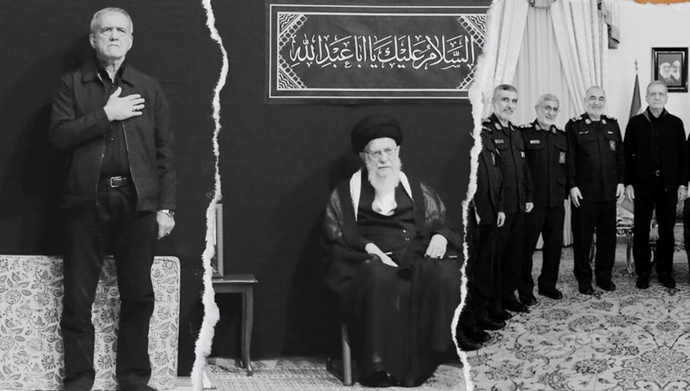
The announcement came during a meeting of the so-called “Arbaeen Headquarters,” where regime President Massoud Pezeshkian emphasized the importance of all relevant agencies taking necessary actions to ensure the safety of pilgrims. While the government frames this budget allocation as a precautionary measure for a religious event, critics argue that it is a blatant attempt by the regime to distract the public from the country’s escalating internal crises.
The allocation of such a significant portion of the national budget to religious ceremonies, while the country suffers from widespread poverty and economic mismanagement, has fueled discontent among the Iranian people.
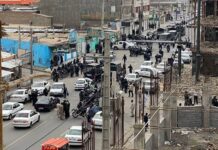
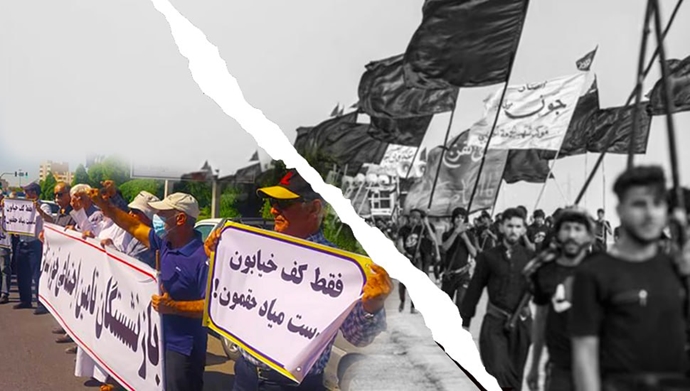
In response to the government’s actions, various sectors across the country have erupted in protest. Workers from the Wagon Pars factory in Arak initiated strikes, marching to the central governor’s office to demand better working conditions.
Similarly, aggrieved shareholders and stock market investors gathered in front of the Tehran Stock Exchange, while defrauded customers of the Modiran Khodro vehicle manufacturer protested outside the Ministry of Industry, Mine, and Trade.
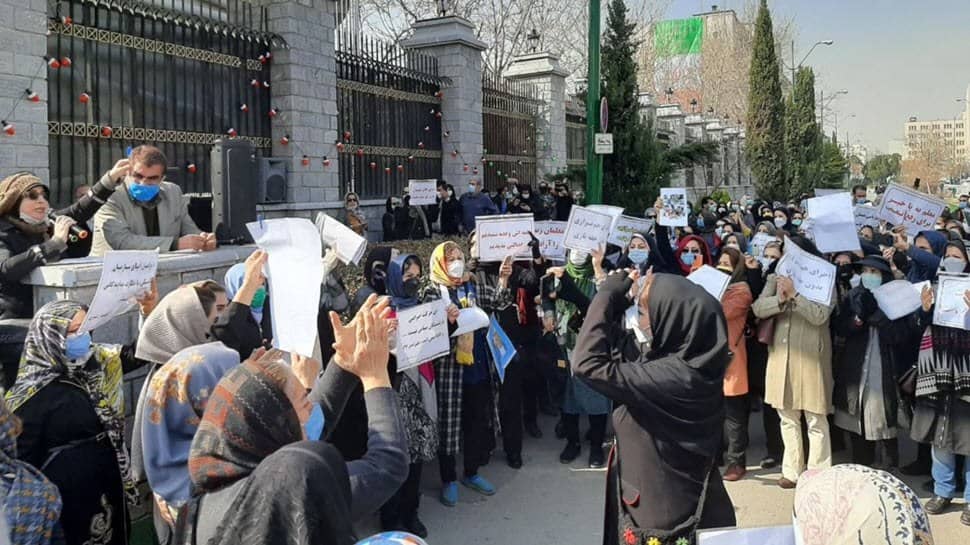
Retirees from different sectors also took to the streets in cities such as Tehran, Tabriz, and Isfahan, voicing their anger against what they perceive as cruel discrimination and government lies. They chanted for political freedoms and the release of imprisoned activists, highlighting the growing politicization of economic and social grievances.
The allocation of 40 trillion rials to the Arbaeen ceremony has only served to underscore the deepening disconnect between the Iranian regime and its people. As various social groups elevate their demands from economic relief to political freedoms, the country appears to be on the brink of significant change, with many believing that the only path to true reform lies in challenging the regime itself.

MEK Iran (follow us on Twitter and Facebook), Maryam Rajavi’s on her site, Twitter & Facebook, NCRI (Twitter & Facebook), and People’s Mojahedin Organization of Iran – MEK IRAN – YouTu