This announcement underscores the ongoing and escalating threat posed by Tehran’s intelligence apparatus, which aims to secure and maintain control over the clerical and political leadership in Iran.
According to the Senate’s statement, the Iranian Ministry of Intelligence (MOIS) plays a central role in coordinating these operations, with a primary focus on the PMOI/MEK and NCRI, both of which have been at the forefront of opposition to the Iranian regime. The Senate’s concerns mirror the findings of Germany’s domestic intelligence services, which have long highlighted the espionage and terrorist activities orchestrated by the Iranian government.
In light of Hamid Noury's release today, it's crucial to revisit the endless cycle of Western appeasement fueling #Iran's regime #terror and hostage-taking. This loop, starting with Iranian dissidents, now ensnares Western officials and citizens.https://t.co/ieaaOkZb6y
— NCRI-FAC (@iran_policy) June 15, 2024
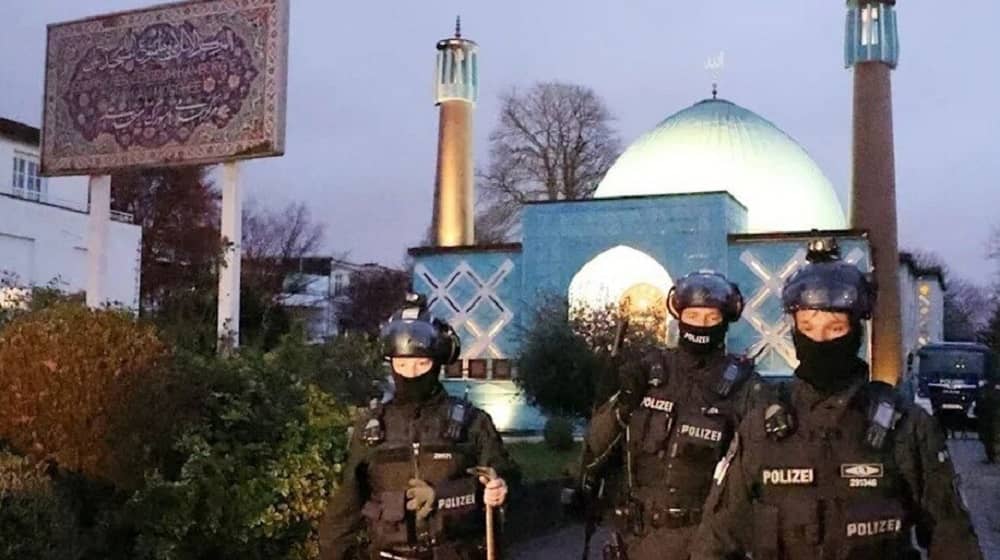
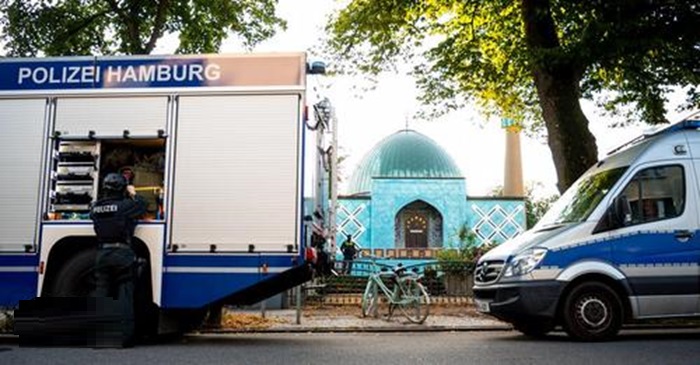
The Constitutional Protection Offices of Hamburg and North Rhine-Westphalia have reported a significant rise in these activities over the past year. The threat has grown so much that in July 2024, German authorities conducted a massive crackdown, launching coordinated raids across eight federal states.
These operations targeted more than 50 locations linked to the Iranian regime, including extremist mosques like the Imam-Ali-Mosque in Hamburg. The raids uncovered substantial evidence of espionage and financial support for extremist activities, further underscoring the pervasive nature of Iranian influence in Germany.
#Iran News in Brief
According to #German media, a 26-year-old Iranian man is convicted of terror act in Dortmund. The defendant, with connections to the Iranian regime, was determined to carry out a #terrorist attack with toxic substances, receiving instructions on producing… pic.twitter.com/1CdfIzc2Ys— NCRI-FAC (@iran_policy) November 24, 2023
Adding to the gravity of the situation, Iranian state media has indirectly acknowledged the regime’s involvement in assassinations of dissidents in Europe. An article published by the state-run outlet Setareh Sobh inadvertently highlighted Tehran’s role in the killings of Iranian dissidents on European soil.
The piece referenced several high-profile assassinations, including the murders of Shapour Bakhtiar, Abdul Rahman Ghassemlou, and Sadiq Sharafkandi, with Iran being the prime suspect in each case. These admissions align with long-standing accusations against the Iranian regime for its extraterritorial attacks on political opponents.
In response to these revelations, there is a growing call within Europe for a reassessment of relations with Tehran. The European Union, in particular, faces mounting pressure to adopt a firmer stance, linking diplomatic negotiations with concrete demands for Iran to halt its repressive actions, both domestically and abroad. Without such measures, Europe risks enabling Tehran’s dangerous activities and endangering the safety of dissidents and citizens within its borders.

MEK Iran (follow us on Twitter and Facebook), Maryam Rajavi’s on her site, Twitter & Facebook, NCRI (Twitter & Facebook), and People’s Mojahedin Organization of Iran – MEK IRAN – YouTu