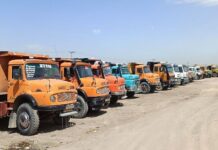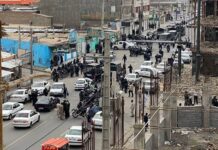
In Siri Island, southern Iran, workers of the Iranian Offshore Oil Company resumed their protests after authorities continued to ignore their demands for fair wage determination policies and other fundamental requirements. The workers, who play a crucial role in Iran’s oil production, have been vocal about their dissatisfaction with their current working conditions, calling for immediate change.
Meanwhile, in Mahallat, central Iran, residents of the Khorheh village rallied to protest against unauthorized digging at a historic hill in the region. The local community is outraged by the lack of government oversight and the potential destruction of their cultural heritage. The unauthorized excavation has sparked fears of irreparable damage to the site, which holds significant historical value.
August 16—Siri Island, southern Iran
Workers of the Iranian Offshore Oil Company resume protests as authorities continue to ignore their demands for changes to the wage determination policies and other basic needs. #IranProtests pic.twitter.com/XhrvJavvbR— People's Mojahedin Organization of Iran (PMOI/MEK) (@Mojahedineng) August 16, 2024
In Makran, southeast Iran, the situation is similarly tense, with workers of the Negin Petrochemical Company entering their second day of strikes. The workers are protesting against unpaid wages, an issue that has plagued the region’s labor force for months. The prolonged delay in payments has left many families struggling to make ends meet, fueling anger and frustration among the workers.
In a separate incident, reports from Naqadeh prison indicate a brutal crackdown by prison guards on the morning of August 14. Led by a notorious figure, Sajad Mehremi, the guards violently assaulted prisoners under the pretext of conducting inspections. The prisoners’ protests against the destruction and theft of their belongings were met with further violence, resulting in injuries among several inmates.
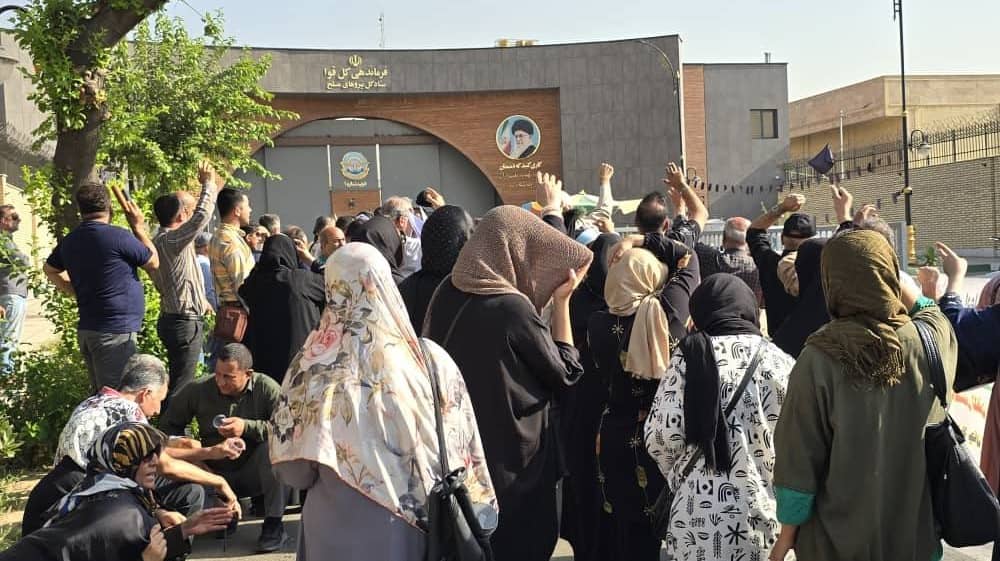
August 16—Mahallat, central Iran
Residents of the Khorheh village rally to protest the unauthorized digging at a historic hill in the region.#IranProtestspic.twitter.com/jsFdL9KbQP— People's Mojahedin Organization of Iran (PMOI/MEK) (@Mojahedineng) August 16, 2024
Additionally, on the evening of August 13, security forces in the village of Kalchat in the Khash region opened fire on a vehicle, leading to the death of a Baloch citizen and serious injury to a 17-year-old passenger. The incident has sparked outrage in the community, highlighting the ongoing tensions and the frequent use of lethal force by security forces in the region.
In a related development, a tragic incident occurred at the Asaluyeh Petrochemical Complex, where 180 workers were poisoned due to the distribution of contaminated food by companies linked to state-affiliated conglomerates. One worker has reportedly died, and several others remain hospitalized, raising concerns about the safety and well-being of Iran’s labor force.
In response to the Iranian regime's violence against girls, Iran's rebellious youth are targeting centers of repression and fundamentalism. pic.twitter.com/9JxRa9TYTA
— People's Mojahedin Organization of Iran (PMOI/MEK) (@Mojahedineng) August 16, 2024
These incidents reflect a broader pattern of unrest and dissatisfaction across Iran, where economic hardships, neglect of basic needs, and government repression continue to drive widespread protests. As the regime persists in ignoring these pressing issues, the growing unrest could pose a significant challenge to its stability, with more citizens coming to realize the only way to achieve their demands is through protest and radical change.

MEK Iran (follow us on Twitter and Facebook), Maryam Rajavi’s on her site, Twitter & Facebook, NCRI (Twitter & Facebook), and People’s Mojahedin Organization of Iran – MEK IRAN – YouTu