Forty-five years after the clerical regime took power, the country faces severe economic, social, and political turmoil, which some economists argue has pushed the nation back to a state comparable to the pre-Qajar dynasty era, a time marked by political instability and economic disarray.
Economist Farshad Momeni recently raised alarms, suggesting that Iran is regressing to a time before the Constitutional Revolution of 1905-1911, which sought to modernize the nation and establish a parliamentary system. Momeni’s comments reflect growing concerns about the structural decay of Iran’s economic and social frameworks, exacerbated by the actions of profiteers, usurers, and corrupt elements within the government and the Revolutionary Guards (IRGC).
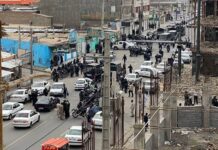
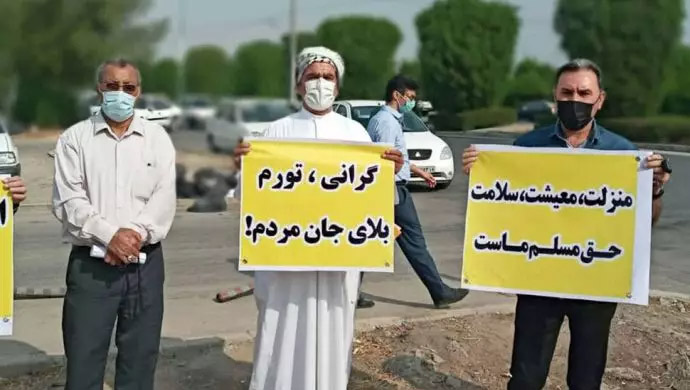
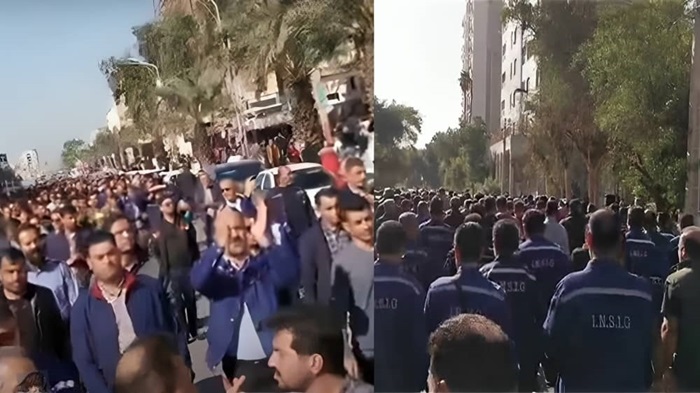
The situation has become dire for millions of Iranians. Households are plunging into poverty, educated youth face staggering unemployment, and even basic social protections appear to be collapsing. Strikes and protests have become commonplace, but the response from the regime has been severe, with many protesters ending up in prison.
These challenges include governance, population and employment, environmental and water issues, technological and innovation deficits, and foreign diplomacy. Each of these areas poses a significant threat to the nation’s stability, and without the political will to address them, the regime could face profound and possibly irreversible consequences.
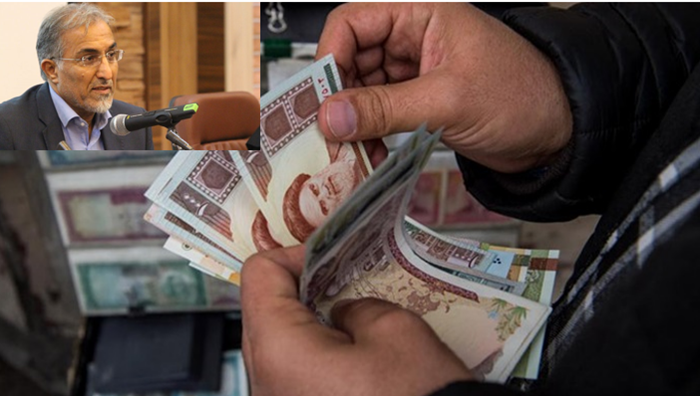
Raghfar highlights the depth of the crisis by pointing out that the government’s financial reserves have dwindled to around 110 trillion rials, while the current administration, led by President Ebrahim Raisi, has accrued significant debts that will burden future governments. He asserts that no government in the past 45 years has performed as poorly economically as the current one.
The root of these crises, according to Momeni, lies in the “rent-seeking relationships” that have become entrenched in Iran’s political and economic systems. These relationships, characterized by corruption and exploitation, have perpetuated poverty, corruption, and societal decline. Momeni warns that unless these rent-seeking practices are dismantled, Iran will continue its downward spiral, leading to further civilizational decay.
The current state of Iran under the rule of the clerical regime mirrors the conditions that led to the 1905 Constitutional Revolution a time when widespread corruption and the ruling class’s disconnection from the populace spurred a national movement for democracy and equality. Today, many see the deepening crises as a potential catalyst for a new democratic revolution, aimed at liberating the Iranian people from decades of authoritarian rule and restoring stability to the nation.

MEK Iran (follow us on Twitter and Facebook), Maryam Rajavi’s on her site, Twitter & Facebook, NCRI (Twitter & Facebook), and People’s Mojahedin Organization of Iran – MEK IRAN – YouTu