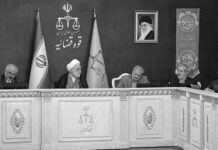
The sessions, which scrutinized critical ministries such as Industry, Culture, and Interior, have underscored the extent to which Supreme Leader Ayatollah Ali Khamenei is exerting his influence to shape the new government. The process highlights the Supreme Leader’s determination to ensure that Pezeshkian’s cabinet aligns strictly with his hardline agenda, devoid of any elements that might challenge his authority.
From the outset, it was apparent that Khamenei’s influence was the driving force behind the vetting. President Pezeshkian himself admitted that none of the proposed ministers were introduced without consulting the highest levels of the regime, signaling the Supreme Leader’s control over the selection process.
Vetting MPs and Ministerial Nominees Vie to Prove Loyalty to Khamenei Amid #Iran’s Domestic and International Criseshttps://t.co/pDAAesUMgq
— NCRI-FAC (@iran_policy) August 18, 2024
This was further emphasized when Mohammad Atabak, the nominee for Minister of Industry, declared himself a “soldier of the Supreme Leader” and committed to policies that reflect the state’s general direction and the Seventh Development Plan.
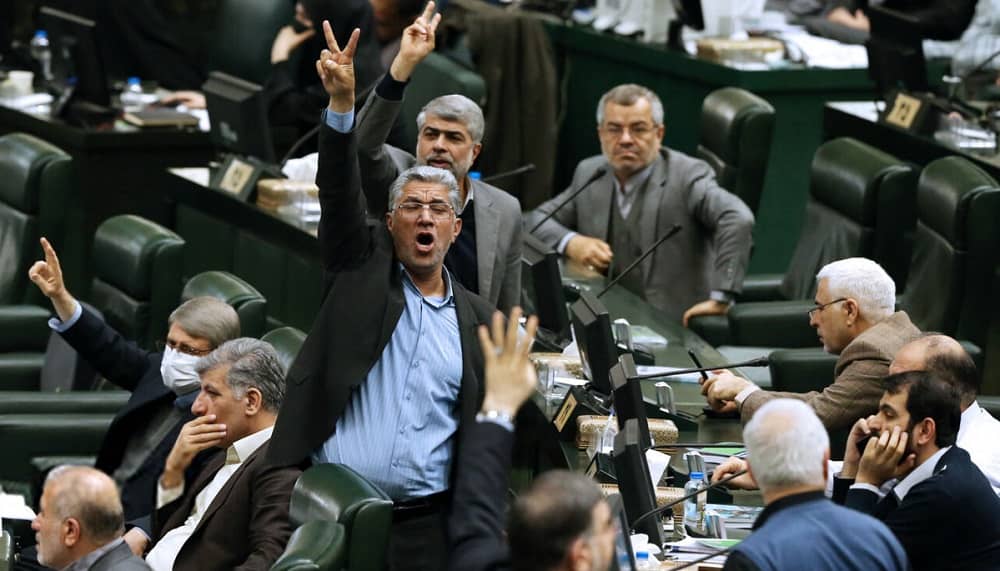
However, the vetting process has also exposed deep-seated rivalries and infighting within the regime. During the evaluation of Abbas Salehi, the nominee for Minister of Cultural Heritage, Tourism, and Handicrafts, chaos erupted as pamphlets accusing him of mishandling a sensitive security case circulated among MPs.
These pamphlets, detailing Salehi’s controversial actions as head of intelligence in Khuzestan, sparked outrage and disrupted the session. The incident revealed not only the intense factionalism within the parliament but also the lengths to which rival factions will go to undermine one another.
#Iranian Regime’s Parliament Clashes with Pezeshkian over Cabinet Pickshttps://t.co/WZEy7Tfm50
— NCRI-FAC (@iran_policy) August 17, 2024
Salehi’s nomination was further complicated by his past remarks about the 2009 election fraud allegations, which resurfaced during the vetting process. His questioning of the regime’s handling of the election results and the subsequent threats he allegedly made against opposing MPs fueled further opposition, showcasing the volatile nature of the political landscape.
Similarly, the nominee for Minister of Science, Research, and Technology, Hussein Simayi Sarraf, faced criticism not only for his past affiliations but also for his candid assessment of the dire state of Iran’s educational institutions. His admission that 30% of students require mental health services highlighted the severe challenges facing the country, which even the regime’s most loyal ministers cannot ignore.
Despite these tensions, certain nominees remained untouchable due to their explicit backing by Khamenei. Key ministries such as Interior, Intelligence, Foreign Affairs, and Defense saw minimal opposition, reflecting the Supreme Leader’s decisive role in their nominations. This dynamic underscores the fragility of Khamenei’s regime, which, despite its outward show of unity, is deeply fractured and struggling to maintain control amidst mounting domestic and international challenges.
Internal Rifts Deepen in Iran as #Pezeshkian’s Cabinet Faces Backlash from All Sideshttps://t.co/E8yVtdIS9U
— NCRI-FAC (@iran_policy) August 16, 2024
The recent vetting process has laid bare the internal conflicts within Iran’s ruling elite, revealing a regime that, while trying to project strength, is beset by divisions that threaten its stability. As Khamenei tightens his grip on power, the infighting among his loyalists exposes the vulnerabilities of a government increasingly reliant on repression and loyalty tests to sustain itself.