The demonstrators are united in their demands for improved wages, better working conditions, and recognition of their rights. These widespread protests highlight the growing dissatisfaction with the Iranian regime’s long-standing neglect and repressive measures, signaling a deepening economic and social crisis.
In Tabriz, literacy educators staged a protest in front of the office of the chairman of the Majlis Education Commission, demanding promotion to official teaching positions. Despite years of service, these educators remain marginalized, and their rally reflects a broader struggle for recognition and fair treatment within the education sector. This protest is part of a series of similar actions in other cities, emphasizing the persistent frustration among educators.
August 22—Arak, central Iran
Workers of the state-owned Wagon Pars train and locomotive manufacturer continue protests against low wages and poor living conditions.
"Workers will die but won't live in disgrace," protesters chant #IranProtestspic.twitter.com/zVAEeB0mCG— People's Mojahedin Organization of Iran (PMOI/MEK) (@Mojahedineng) August 22, 2024
Simultaneously, in Arak, over 1,100 workers from the state-owned Wagon Pars train and locomotive manufacturer continued their protests against low wages and poor living conditions. The workers, who have been vocal about wage disparities and management abuses, are deeply frustrated by the dismissive attitude of the company’s management.
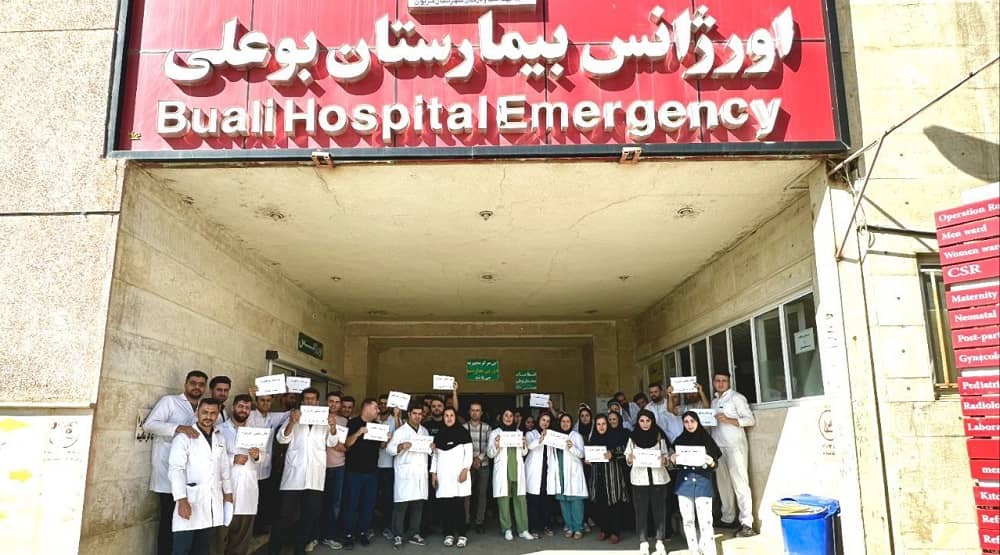
A recent statement from a company official, “I see no men in Wagon Pars,” has only intensified their anger, leading to chants of “Workers will die but won’t live in disgrace” during the demonstrations. The healthcare sector has also been a hotbed of unrest, with nurses in cities like Chabahar, Sirjan, Marivan, and Arak leading the charge. These nurses, who have been on strike for three weeks, demand higher wages and improved working conditions, refusing to back down despite threats and arrests.
August 22—Tabriz, northwest Iran
Literacy educators rally in front of the office of the chairman of the Majlis Education Commission, reiterating their demands to be promoted to official teachers.#IranProtestspic.twitter.com/uDnT0I5fJI— People's Mojahedin Organization of Iran (PMOI/MEK) (@Mojahedineng) August 22, 2024
In Arak, two nurses were detained by security forces, accused of being “disruptors,” a label that has not deterred their colleagues from continuing their protests. The situation is particularly dire in Marivan, where nurses and operating room staff at Fajr Hospital face increasing intimidation from security forces but remain resolute in their demands.
The Iranian regime has responded to these protests with a mix of repression and unfulfilled promises. Newly appointed Health Minister Mohammad-Reza Zafarghandi recently assured that the nurses’ issues would be addressed “as quickly as possible.” However, given the government’s history of broken promises, protesters remain skeptical.
August 22—Arak, central Iran
Nurses continue their protests despite repressive measures by the regime. The nurses are demanding higher wages and decent working conditions.#IranProtestshttps://t.co/MGnGL3DnKN— People's Mojahedin Organization of Iran (PMOI/MEK) (@Mojahedineng) August 22, 2024
As these protests continue to spread across various sectors, the Iranian regime faces mounting pressure to address the grievances of its citizens. With trust in the government eroding, the unrest shows no signs of abating, reflecting a populace increasingly desperate for meaningful change.