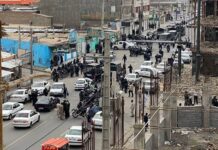
While regime factions jostle for power, various social groups have taken to the streets, expressing their disillusionment with the government’s failure to address economic hardships and social injustices.
Over recent weeks, Iran has witnessed daily protests, as citizens increasingly reject the current regime and its newly installed administration. The situation on the ground starkly contrasts with the rhetoric emanating from the regime’s leadership, which has doubled down on suppressing freedoms and perpetuating economic mismanagement. The recent 25% hike in bread prices and the extraction of 40 trillion rials from the struggling pension fund to finance religious ceremonies have only exacerbated public anger.
Economic analysts within Iran have sounded the alarm, warning that decisions made without considering the social consequences are deepening inequality and fueling unrest. Despite these warnings, the new administration, seen as a mere extension of Supreme Leader Ali Khamenei’s inner circle, appears incapable of enacting meaningful economic reforms. Instead, it remains focused on maintaining the status quo, prioritizing regime stability over the well-being of the populace.
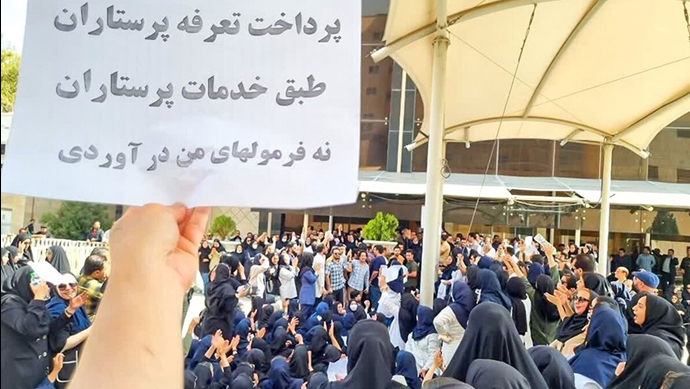
August 27—Hamedan, western Iran
Nurses continue their weeks-long protests in front of the provincial governorate.#IranProtestspic.twitter.com/k7OzLRya9j— People's Mojahedin Organization of Iran (PMOI/MEK) (@Mojahedineng) August 27, 2024
Amid this backdrop of government incompetence and inaction, a growing number of social groups and classes have decided to reclaim their rights through street protests. Nurses and healthcare workers, who have long been overworked and underpaid, have been at the forefront of these demonstrations. Their rallies have echoed through the streets of various cities, as they demand fair wages, better working conditions, and respect for their profession.
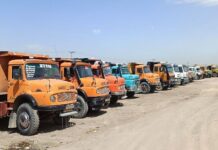
Similarly, employees in the oil and gas sector, who work under extremely challenging conditions, have staged protests demanding improved contracts and working conditions. Retirees, facing pensions that barely cover basic needs after a lifetime of service, have also joined the chorus of dissent, holding protests across dozens of cities.
August 26—Sari, northern Iran
Retirees of the Telecommunications Company of Iran rally, protesting the regime disregarding its own laws that require the TCI to raise the retirees' pensions according to the costs of living.#IranProtestspic.twitter.com/4qjUcusKzt— People's Mojahedin Organization of Iran (PMOI/MEK) (@Mojahedineng) August 26, 2024
The situation has grown increasingly volatile as even creditors of the state-run Maskan-e Melli housing company have taken to the streets, demanding the homes they paid for years ago but have yet to receive. This widespread unrest reflects a deep-seated frustration with a government seen as both corrupt and indifferent to the struggles of ordinary citizens.
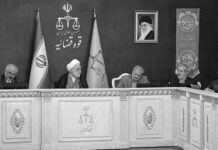
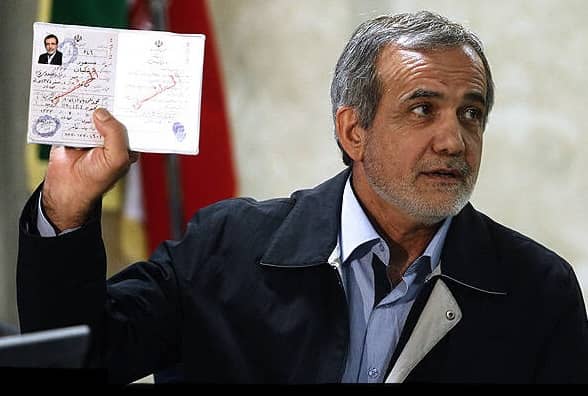
Pezeshkian’s recent speech in parliament underscored the regime’s paralysis, as he pleaded with lawmakers to support ministers loyal to Khamenei’s line, revealing the regime’s fear of public backlash. This “anxious government,” as some commentators have termed it, appears more focused on stifling dissent than addressing the root causes of the social and economic crises gripping the nation.
As Iran’s political and economic turmoil deepens, the protests show no signs of abating. The streets have become the arena where marginalized and frustrated citizens voice their demands, signaling a growing challenge to the regime’s authority.