From the capital, Tehran, to cities like Isfahan, Arak, and Yazd, demonstrators demanded better wages, improved living conditions, and fulfillment of long-neglected promises.
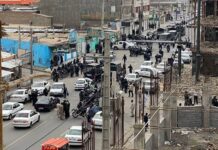
In Tehran, electric taxi drivers gathered outside the Taxi Organization, calling for economic reforms. A separate protest by taxi drivers took place outside the Management and Supervision Organization for Tehran Taxi Drivers, underscoring the growing discontent within the capital’s transportation sector. Their grievances reflect broader dissatisfaction with government policies that many argue are exacerbating economic hardship.
September—Iran
Workers of the Wagon Pars train and locomotive manufacturer in Arak intend to go to Tehran to continue their protests in front of the presidential palace despite threats and arrests by security forces. pic.twitter.com/WcBQdY9oal— People's Mojahedin Organization of Iran (PMOI/MEK) (@Mojahedineng) September 1, 2024
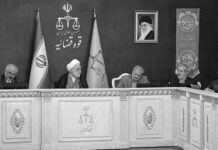
High school students and their parents also rallied outside the president’s office in Tehran, protesting new rulings by the Supreme Council of the Cultural Revolution. The changes, which affect final exams and grade point averages, have been criticized as favoring regime insiders, further fueling frustrations among ordinary citizens.
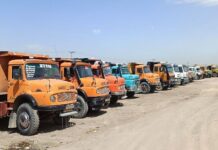
Protests extended beyond the capital. In Arak, workers from the Wagon Pars train and locomotive manufacturer faced violent repression from security forces as they prepared to travel to Tehran to demand their overdue wages. Despite threats and arrests, the workers remained defiant, determined to continue their protests. Reports indicate that at least one worker was injured in the crackdown.
September 1—Tehran, Iran
High school students and parents rally in front of the president's office, protesting recent rulings by the Supreme Council of the Cultural Revolution on the final exams and grade points average, which favors regime insiders and the regime's "final exam… pic.twitter.com/W3AVSlsPru— People's Mojahedin Organization of Iran (PMOI/MEK) (@Mojahedineng) September 1, 2024
Meanwhile, in Isfahan, retirees from the steel industry rallied for higher pensions and better rights, while healthcare workers at the University of Medical Sciences protested low wages and long hours. The healthcare sector, in particular, has been grappling with widespread dissatisfaction, with protests continuing since early August.
The economic struggles are not confined to these groups. In Yazd, livestock farmers protested against government pricing policies and the importation of frozen meat, arguing that these policies are undermining their livelihoods. Some farmers poured milk on the ground as a symbolic gesture of their discontent.
September 1—Shush, southwest Iran
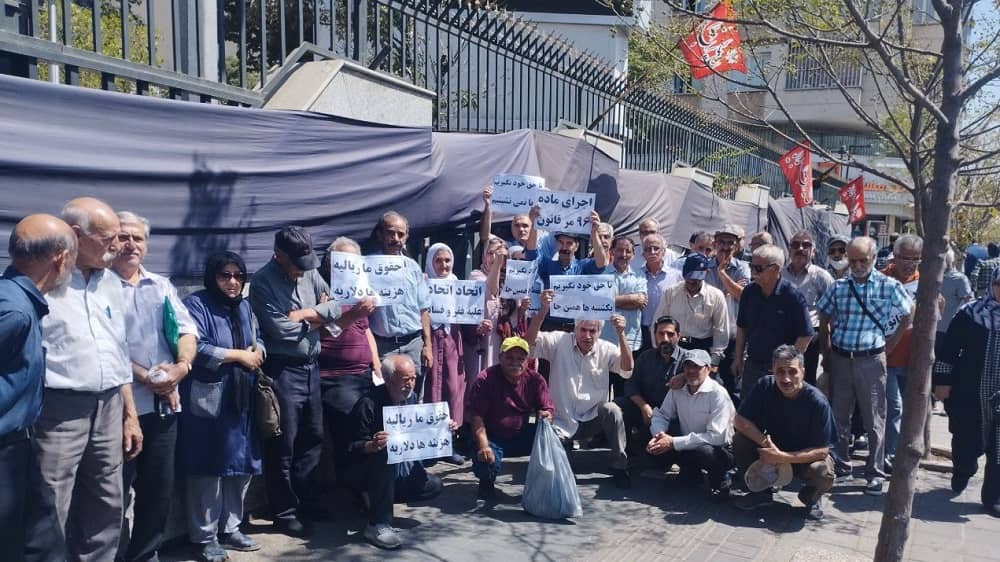
Retirees and pensioners of the Social Security Organization resume protest rallies to demand higher pensions and basic needs according to the regime's own laws.#IranProtestspic.twitter.com/tojRLY35mv— People's Mojahedin Organization of Iran (PMOI/MEK) (@Mojahedineng) September 1, 2024
Retirees and pensioners, too, have joined the protests, with rallies in cities like Ahvaz, Shush, and Kermanshah calling for higher pensions and better living conditions. Many of these protests also called for the release of political prisoners, highlighting the interconnectedness of economic and political grievances.
The protests reflect a broader sense of frustration with the government’s failure to address the basic needs of its citizens. From students and transport workers to retirees and healthcare professionals, Iranians are increasingly vocal in their demands for economic justice and political reform.
On September 1, 2013, Iraqi forces acting at the behest of the Iranian regime raided Camp Ashraf with the aim of annihilating all its residents. During the attack, 52 PMOI members, unarmed and defenseless, were murdered by the regime's agents. Eleven years later, Resistance Units… pic.twitter.com/CbJiT3iTik
— People's Mojahedin Organization of Iran (PMOI/MEK) (@Mojahedineng) September 1, 2024