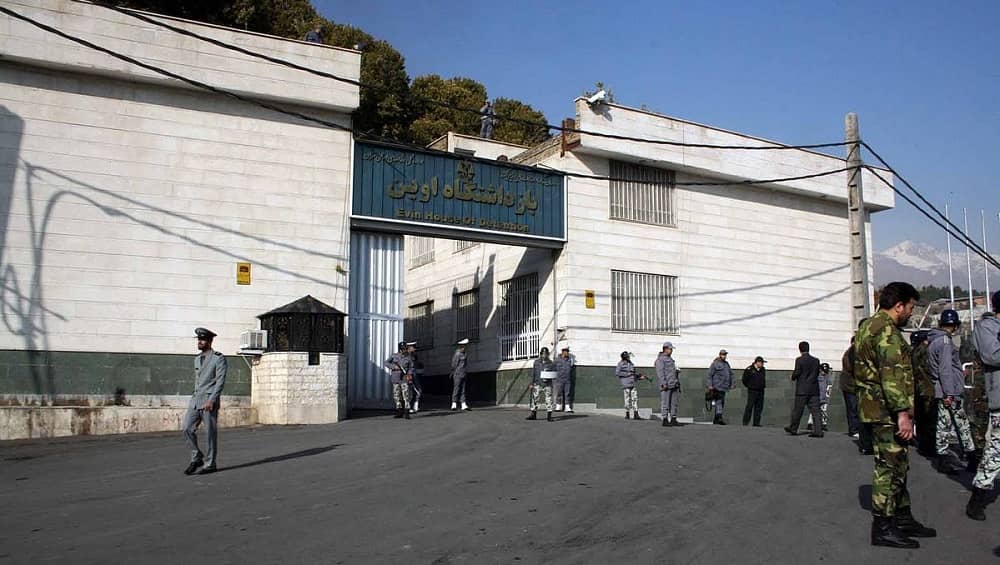
This protest aims to raise awareness of the growing use of the death penalty in Iran, which has surged in recent months. Among the participating prisons are Evin, Ghezel Hesar, Karaj Central, and Urmia, alongside many others across the country.
In a joint statement, the prisoners condemned the Iranian regime’s intensified crackdown, including arbitrary arrests and threats. They specifically called out the intimidation of protesters by prison officials in Urmia Prison, particularly from the warden Peyman Khanzadeh and head of security Nader Azarnia.
These abuses were mentioned in a recent report by former UN Special Rapporteur Javaid Rehman, who described the regime’s actions as “barbaric crimes.” The strikers have vowed to continue their protest until the death penalty is abolished.
I have been the Special Rapporteur on #Iran 1 month. During August 2024, at least 93 individuals were executed. Based on information received, only a fraction is officially reported by the Islamic Republic of #Iran, highlighting the need for transparency. https://t.co/vVfWuexkMI
— Mai Sato (@drmaisato) September 3, 2024
They called on fellow prisoners across Iran to join the movement and urged UN Special Rapporteur Mai Sato to visit Iranian prisons to investigate the dire conditions of political detainees and those on death row.
This hunger strike is part of a broader wave of unrest in Iran, where protests have been growing across various sectors, including workers, nurses, retirees, and teachers, all calling for justice and systemic reform. The coordinated strike highlights the rising tensions in Iranian society, with mounting international concern over the regime’s use of excessive force and capital punishment.

Amnesty International has also raised alarms about the imminent execution of Sharifeh Mohammadi, a human rights advocate sentenced to death in June 2024. Mohammadi’s sentence followed a deeply flawed trial, and her advocacy for women’s and workers’ rights has been met with severe punishment from the regime.