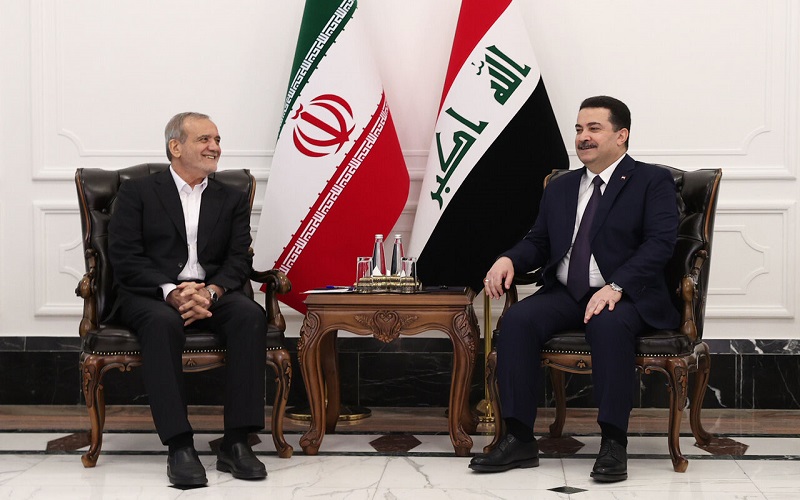
This development, which includes the opening of offices for Hamas and the Houthis in Baghdad, marks a new phase in the ongoing power struggle involving Iran, Israel, and the United States.
According to a report from The New York Times, Hamas has set up a new political office in Baghdad under heavy security, without public signage. Nearby, the Yemeni Houthi group, aligned with Iran, has also established a presence. These movements strengthen Iran’s grip on Iraq, signaling a shift in regional power dynamics.
Iran’s Strategic Expansion
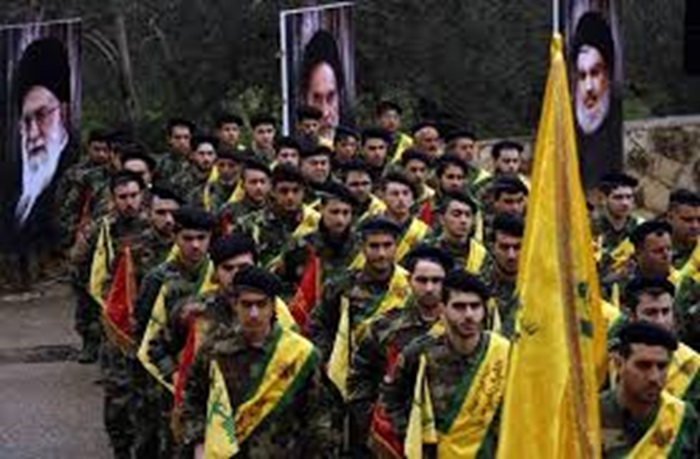
In Iraq, Iran has cultivated a network of militias, extending its power through alliances with Hezbollah in Lebanon and the Houthis in Yemen. In recent years, Tehran has pushed for the formal integration of these militias into Iraq’s security forces, a move that has cemented their political power.
The recent approval by the Iraqi government for Hamas and the Houthis to open political offices illustrates Iraq’s deepening role as a battleground for Iran’s ambitions. Despite some internal opposition, the strong presence of Iran-backed political parties in Iraq has made it difficult to block such moves.
Regional Concerns Over Stability
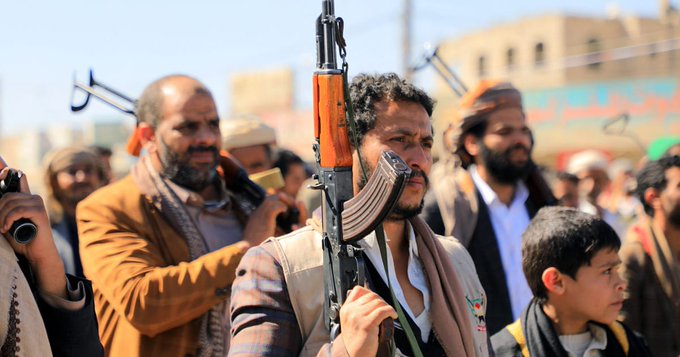
As these groups coordinate more closely, there are growing fears of increased regional conflict. Critics argue that the strengthening of Iranian proxies in Iraq could lead to further destabilization, enabling Iran to exert more control over regional disputes, especially in conflicts involving Israel and Saudi Arabia.
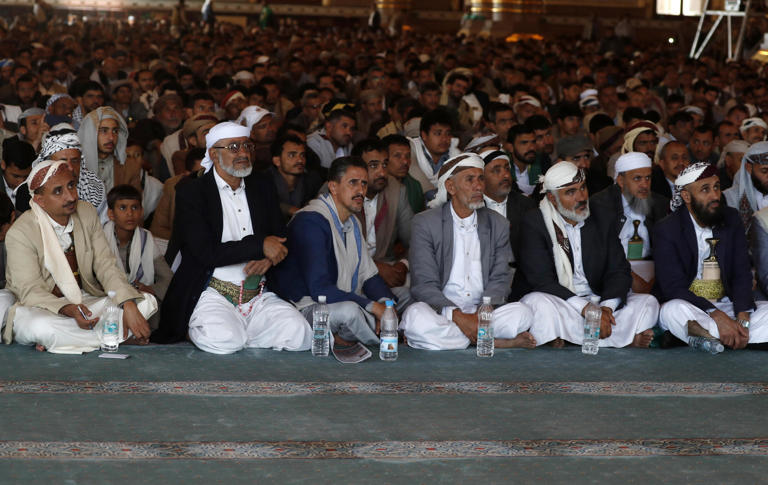
The new Hamas office in Baghdad is led by Muhammad Al-Hafi, a key figure within Hamas. His security is provided by Kataib Hezbollah, one of the most powerful Iran-backed militias. Similarly, the Houthis, represented by Abu Idris al-Sharafi, have been well-received by Iraq’s Shia factions. Sharafi has even called for jihad against Israel, a move that underscores the growing cooperation between Iran’s proxies.
A Shifting Political Landscape
Iraq’s political scene is increasingly dominated by Iranian influence. This shift has empowered Shia movements and marginalized Sunni factions, further entrenching Tehran’s role in shaping Iraq’s future. As Iran-backed groups gain more ground, many fear that Iraq’s sovereignty is under threat, with the country becoming a stage for broader regional ambitions. The future of this growing alliance between Iraq and Iran’s regional proxies remains uncertain, but its implications for the Middle East could be profound.