The demonstrations span the oil-rich southern regions to major northern cities like Tehran, reflecting the widespread frustration over low pensions, delayed housing projects, unpaid wages, and inadequate working conditions. The nation’s ongoing economic crisis and government inaction have exacerbated tensions across the country.
On September 29, retired government employees and telecommunications pensioners in Ahvaz, located in the southwest Khuzestan Province, demanded higher pensions and better living standards. Ahvaz has become a significant hub for protests, echoing the dissatisfaction sweeping through southwestern Iran.
September 29—Kermanshah, western Iran
Retirees and pensioners of the Social Security Organization resume protest rallies to demand higher pensions and basic needs according to the regime's own laws. Protesters also call for release of political prisoners.pic.twitter.com/zq7GO2jMAT— People's Mojahedin Organization of Iran (PMOI/MEK) (@Mojahedineng) September 29, 2024
Retirees from the Social Security Organization in Kermanshah, a western province, called for both higher pensions and the release of political prisoners. Similar economic challenges have sparked protests in central and northern regions, including Tehran, where oil sector retirees demonstrated outside the Ministry of Oil. These protesters decried low pensions and worsening living conditions in the capital city, which remains a focal point for labor unrest.
September 29—Arak, central Iran
Customers of the state-backed Kuy-e Kowsar housing project rally to protest delays in the delivery of their homes.#IranProtestspic.twitter.com/Vg79zD0fob— People's Mojahedin Organization of Iran (PMOI/MEK) (@Mojahedineng) September 29, 2024
In Isfahan, central Iran, steel sector retirees voiced their discontent, urging the government to deliver on its promises of pension reforms. The economic instability that has crippled Isfahan’s industrial backbone has left workers demanding greater accountability. Similar concerns were raised in Arak, where delays in housing projects have left many financially strained, and in Shush, where Social Security retirees continued to press for better pensions.
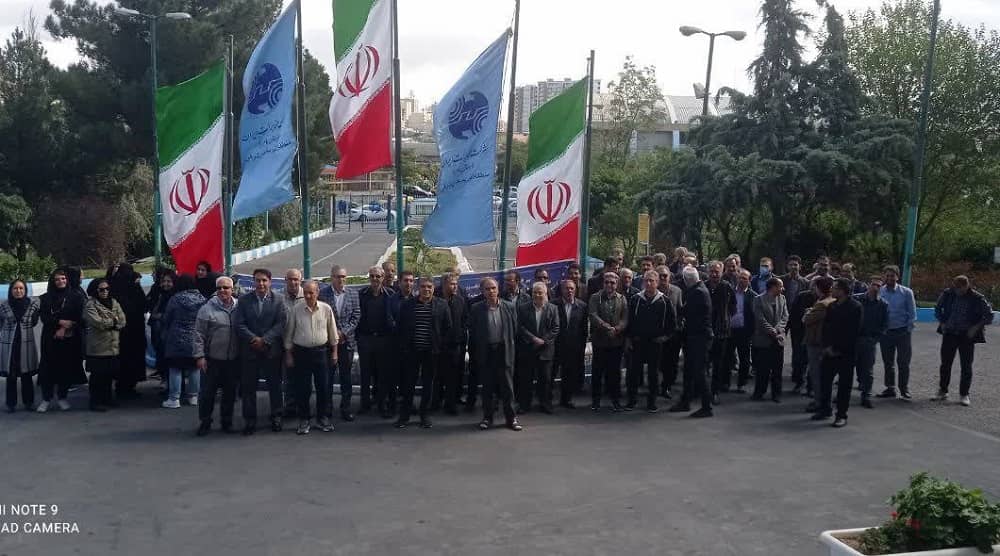
On the eastern front, in Sabzevar, creditors of the Maskan-e Melli housing company rallied against rising costs and unfulfilled housing promises. Meanwhile, protests by telecommunications workers in Tabriz have entered their fifth consecutive day as they demand better wages and improved working conditions.
September 28—Tabriz, northwest Iran
Fifth day of protests by the employees of the Telecommunications Company of Iran (TCI), demanding higher wages and better working conditions.#IranProtests pic.twitter.com/XsnUcSEgM3— People's Mojahedin Organization of Iran (PMOI/MEK) (@Mojahedineng) September 28, 2024
As the protests continue, southern oil regions have become particularly volatile. Workers from the Iranian Offshore Oil Company on Siri Island resumed protests on September 27 over wage disputes and unsafe working conditions. Offshore oil workers in Bushehr also rallied, stressing the strategic importance of these energy hubs to Iran’s economy.
September 27—Siri Island, southern Iran
Employees of the Iranian Offshore Oil Company resume protests as authorities continue to ignore their demands for changes to the wage determination policies and other basic needs.#IranProtests pic.twitter.com/gaZahdy79V— People's Mojahedin Organization of Iran (PMOI/MEK) (@Mojahedineng) September 27, 2024
The protests signal a nationwide demand for substantial economic and social reforms. As inflation soars and living conditions deteriorate, the participation of retirees, healthcare professionals, and laborers indicates a growing national movement for change. With no immediate solutions from the government, these protests are expected to intensify.

MEK Iran (follow us on Twitter and Facebook), Maryam Rajavi’s on her site, Twitter & Facebook, NCRI (Twitter & Facebook), and People’s Mojahedin Organization of Iran – MEK IRAN – YouTu