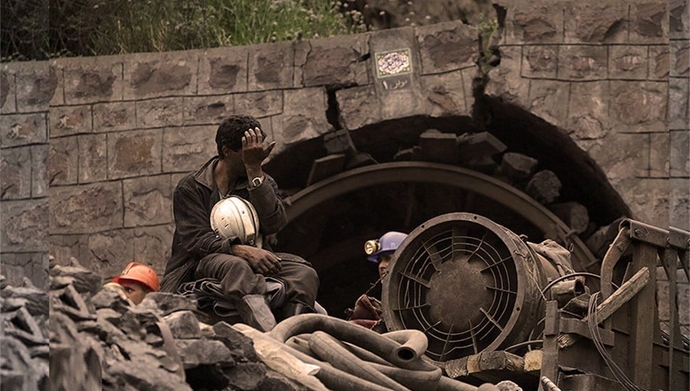
The brief yet devastating announcement of the tragedy confirmed the worst: all miners trapped in the collapse had perished. Families in the remote desert town are left heartbroken, grappling not only with the loss of their loved ones but also with the financial burden of their deaths.
As they face the start of a new school year, children of the deceased miners must now navigate life without their fathers, burdened by grief and economic hardship. This tragedy sheds light on the dangerous and often overlooked working conditions of Iran’s miners, especially those in coal mines like Tabas, known for being severely underdeveloped.

The lack of modern equipment and proper safety standards has made these jobs difficult, yet they remain one of the few employment options in certain rural areas. Miners regularly face threats from toxic gases, cave-ins, and explosions—hazards that took the lives of the Tabas workers.
Pay slips revealed by state television show that miners earned between 70 to 110 million rials per month, which is less than one-third of the country’s poverty line of 300 million rials. More concerning is the paltry hazard pay—just 200,000 rials per day for risking their lives underground. This starkly contrasts with the privileges afforded to Iranian officials, who receive up to 100 euros per day for tasks as mundane as attending international book fairs.

Like many educated Iranians, Farhad found himself unable to secure a job in his field and resorted to mining to support his family. His death, along with that of his brother Hassan, underscores the desperation faced by many in Iran’s workforce, where systemic corruption and economic mismanagement force educated individuals into dangerous and undervalued jobs.
The Tabas mine disaster is a grim reminder of the Iranian regime’s failure to prioritize worker safety or enforce adequate labor protections. Families are left not only to bury their loved ones but also to shoulder the financial costs of doing so.
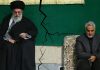
The silence from regime leaders, including Supreme Leader Ali Khamenei, in the aftermath of the tragedy has only deepened the public’s anger, fueling calls for change amidst growing unrest.

MEK Iran (follow us on Twitter and Facebook), Maryam Rajavi’s on her site, Twitter & Facebook, NCRI (Twitter & Facebook), and People’s Mojahedin Organization of Iran – MEK IRAN – YouTu