On October 1, 2024, Iran witnessed a wave of protests and strikes across various cities, with citizens and workers from different sectors rallying against the government’s neglect of their rights. Demonstrations ranged from environmental activism in Tehran to labor unrest in key industries, underscoring widespread dissatisfaction with the regime’s policies.
In Tehran, environmental activists gathered in front of the City Council to protest the destruction of the capital’s green spaces. Their concerns focused on the enclosure of public areas, such as Laleh Park, and the cutting down of trees in Qeytarieh Park, under the guise of urban construction.
October 1—Tehran, Iran
Environment activists hold protest rally in front of the city council, demanding a stop to the destruction of the city's green spaces.#IranProtests pic.twitter.com/2ixZi0yROy— People's Mojahedin Organization of Iran (PMOI/MEK) (@Mojahedineng) October 1, 2024
Activists accused the government of accelerating environmental degradation in a city already suffering from rapid urbanization and poor environmental policies. This protest marked the latest in a series of efforts to protect Tehran’s dwindling green areas.
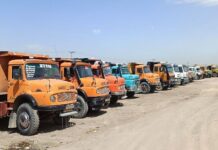
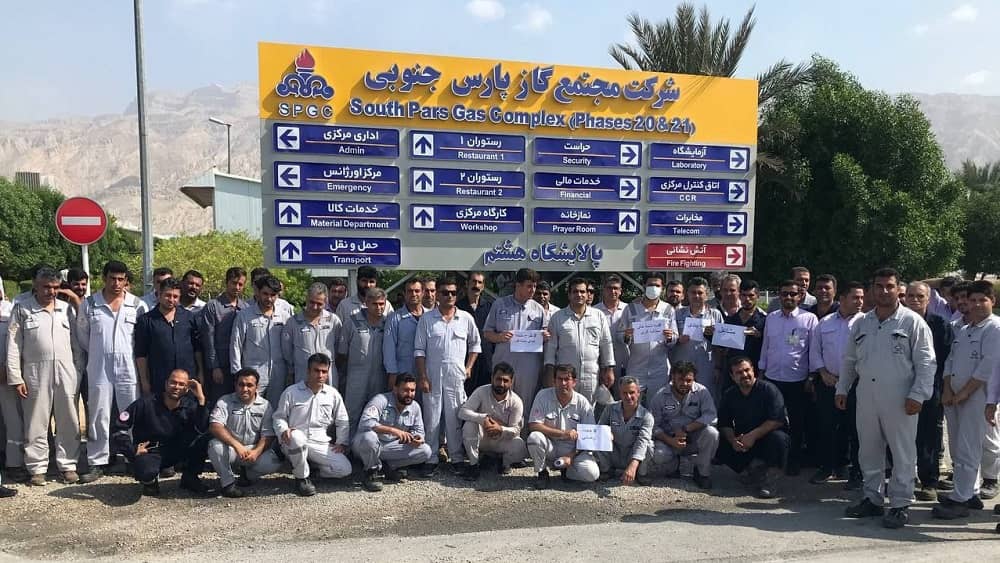
Simultaneously, in Southern Iran, workers from the South Pars Gas Refinery in Bushehr continued their strike for the ninth consecutive week. They demanded better working conditions, reinstatement of dismissed co-workers, and fair wages.
The labor unrest in the energy-rich region, particularly in the oil and gas sectors, reflects the growing frustrations with economic mismanagement and harsh labor practices. Workers from the Parsian Gas Refinery in Mehr County also protested with similar grievances, further highlighting the regime’s inability to address systemic labor issues in vital industries.
October 1—Ardakan, central Iran
Strikes by employees of Chadormalu Industrial Complex.#IranProtests pic.twitter.com/fzdBqOMq4N— People's Mojahedin Organization of Iran (PMOI/MEK) (@Mojahedineng) October 1, 2024
Further unrest occurred in Ardakan, Yazd Province, where workers from the Chadormalu Industrial Complex went on strike, expressing outrage over low wages and poor conditions. These strikes reflect mounting frustrations in Iran’s industrial sector.
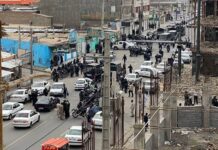
Tensions in southeastern Iran escalated after the death of a 16-year-old Baluchi teenager, shot by regime forces on September 21. His death on September 29 reignited anger in the region, which has long endured state violence and repression against the Baluch minority.
August 26—Sari, northern Iran
Retirees of the Telecommunications Company of Iran rally, protesting the regime disregarding its own laws that require the TCI to raise the retirees' pensions according to the costs of living.#IranProtestspic.twitter.com/4qjUcusKzt— People's Mojahedin Organization of Iran (PMOI/MEK) (@Mojahedineng) August 26, 2024
In another part of the country, employees of the Telecommunications Company of Iran (TCI) in Tabriz, East Azerbaijan, held protests demanding higher wages and job security, decrying the government’s failure to adjust salaries in line with rising inflation. The unrest in the telecommunications sector mirrors the broader dissatisfaction with declining living standards across the nation.
The protests and strikes across Iran highlight the intensifying dissatisfaction with the regime’s failure to address environmental, labor, and human rights issues, as anger continues to grow across the country.

MEK Iran (follow us on Twitter and Facebook), Maryam Rajavi’s on her site, Twitter & Facebook, NCRI (Twitter & Facebook), and People’s Mojahedin Organization of Iran – MEK IRAN – YouTu