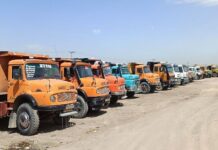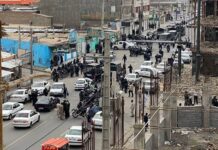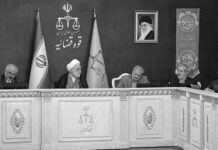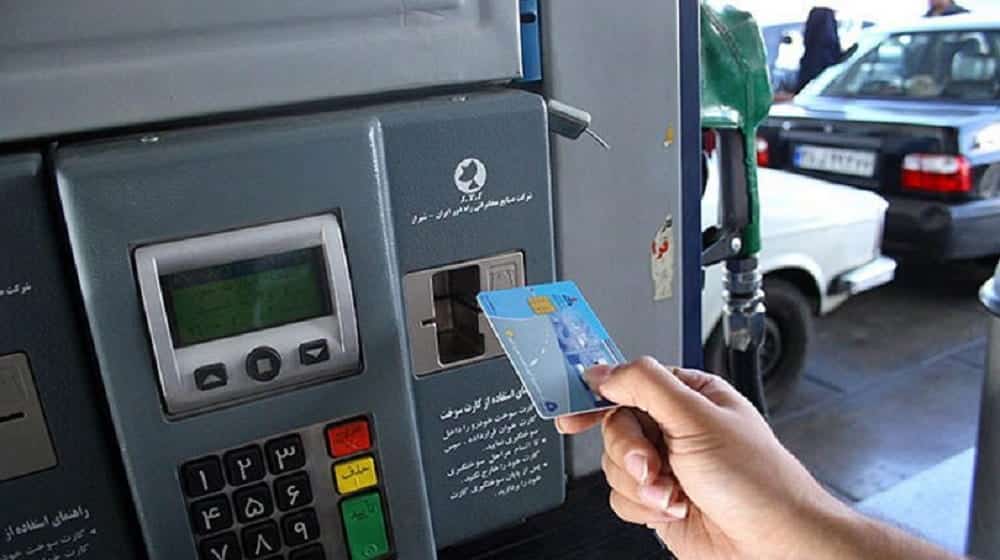
The government’s current financial predicament, which led to the withdrawal of 350 trillion tomans from the National Development Fund, is pushing officials toward controversial measures that could potentially spark widespread public protests, reminiscent of the 2019 uprising following similar fuel price hikes.
While the government views increasing gasoline prices as a quick solution to reduce the budget deficit, critics argue that this is merely a temporary fix to a much deeper problem rooted in financial mismanagement and structural inefficiencies. Iran’s fuel crisis is exacerbated by inefficient fuel consumption, outdated vehicles, and insufficient energy infrastructure.
Daily gasoline consumption in Iran ranges between 120 to 140 million liters, much of it wasted due to vehicles that require far more fuel than international standards. Despite previous attempts to raise prices, the automotive industry has failed to modernize, contributing to ongoing fuel inefficiency. Parliamentary Energy Committee member Ramazanali Sangdovini has emphasized the need to address the inefficiency of vehicles as a long-term solution to the fuel crisis. However, little has been done in this regard.
#Iran News in Brief
Jalal Rashidi Kuchi, a member of the regime’s parliament, expressed concerns about the consequences of raising #gasoline prices, stating, “Fundamentally, our approach to gasoline has been wrong. Even now, if we tamper with gasoline prices, people will take to… pic.twitter.com/hT5DpjIEU2— NCRI-FAC (@iran_policy) August 23, 2023
Sangdovini also suggests that diversifying Iran’s fuel sources to include compressed natural gas (CNG) and liquefied petroleum gas (LPG) could help alleviate the pressure on gasoline production. Yet, these efforts remain unfulfilled, while the country’s refineries struggle to meet gasoline demand due to production limitations and natural gas shortages.
Despite recognizing that energy efficiency improvements could mitigate the need for price hikes, the regime appears reluctant to reallocate funds. Instead of addressing domestic economic needs or investing in infrastructure, large portions of Iran’s budget continue to flow towards maintaining the regime’s security apparatus, missile development, and regional influence through proxy groups.
One particular leaked communication, written and signed by the Supreme Leader #Khamenei, and dated December 12, 2019, just weeks after a nationwide uprising sparked by a rise in gas prices, sheds light on his determination to revise his regime’s approach toward the #internet. 1/ pic.twitter.com/ngbgbePgNc
— NCRI-FAC (@iran_policy) June 17, 2023
By prioritizing its military and nuclear ambitions over the well-being of its citizens, the Iranian regime is shifting the burden of its economic crisis onto the public. Raising gasoline prices may offer a short-term fiscal remedy, but it risks further inflaming public discontent and worsening the economic strain on everyday Iranians.

MEK Iran (follow us on Twitter and Facebook), Maryam Rajavi’s on her site, Twitter & Facebook, NCRI (Twitter & Facebook), and People’s Mojahedin Organization of Iran – MEK IRAN – YouTu