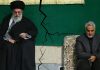
Supreme Leader Ali Khamenei is at the center of power struggles as competing political groups within the government clash over key appointments and policies. The tensions are intensifying, reflecting the fragility of the clerical dictatorship’s hold on power.
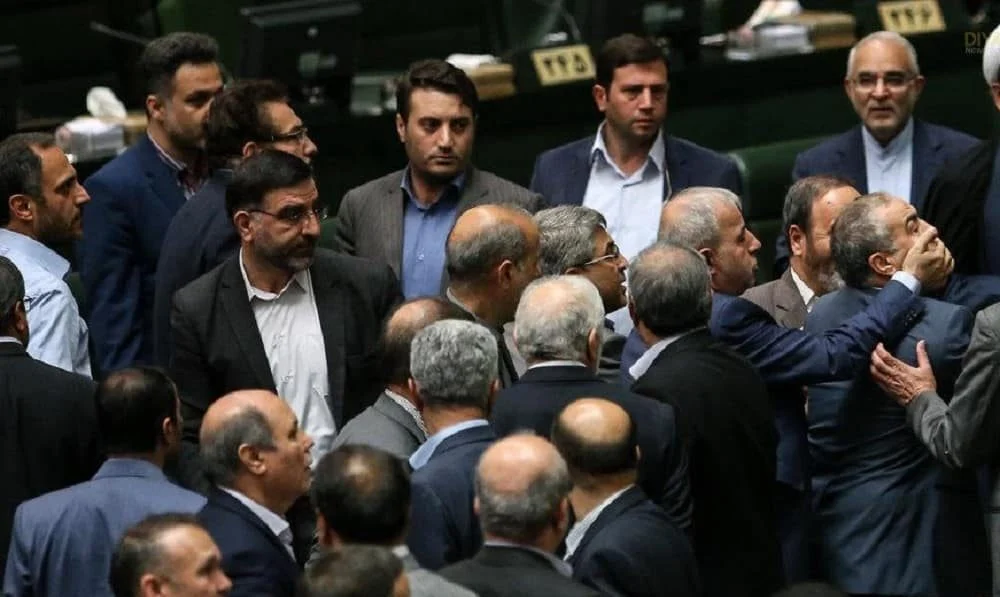
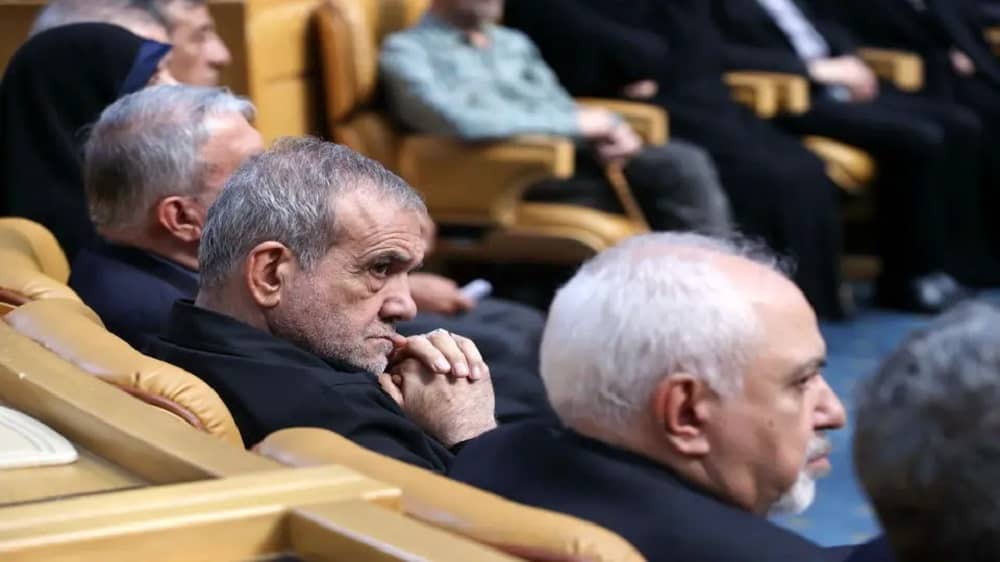
On October 9, Hamid Rasaee, a close ally of Khamenei and influential member of parliament, openly criticized President Masoud Pezeshkian for appointing former foreign minister Javad Zarif as his strategic deputy. Rasaee highlighted that Zarif’s son holds U.S. citizenship, claiming the appointment violates Iranian law.
Rasaee emphasized that 40 members of the National Security Commission demanded an investigation, which could prompt judiciary involvement. He warned Pezeshkian to comply with the law to avoid further conflict between the government and parliament.
Criticism of Pezeshkian did not stop there. The state-run Ham-Mihan newspaper, associated with the so-called “reformist” faction, attacked Pezeshkian’s integrity, branding him a liar. The newspaper highlighted Pezeshkian’s previous claim that he would never lie, pointing out discrepancies in his statements and accusing him of avoiding the truth.
Amid Escalating Domestic Crises in #Iran, Rival Factions Target #Pezeshkian’s Governmenthttps://t.co/klEZH4CR9Z
— NCRI-FAC (@iran_policy) September 1, 2024
He suggested that Iran would disarm if Israel did the same, a statement seen as reckless by his political rivals. Mohammad Nakhee-Rad, another regime MP, rebuked Pezeshkian for overstepping his authority, reminding him that decisions on war and peace fall under Khamenei’s jurisdiction. Nakhee-Rad also criticized the appointment of Zarif, warning that placing dual citizens in sensitive positions undermines public trust and violates the law.
Adding to the regime’s instability, Saeed Jalili’s advisor and MP Amir Hossein Sabeti accused Pezeshkian of delaying Iran’s response to the assassination of Hezbollah commander Hassan Nasrallah. This led to public tensions, with Pezeshkian’s son defending his father and blaming Israeli propaganda for the accusations.
These internal divisions are exacerbated by the ongoing corruption scandal involving Tehran’s mayor, Alireza Zakani, which has reached Khamenei’s office. Reports from October 9 revealed a significant dispute between Zakani and the country’s General Inspection Organization, indicating the depth of corruption investigations.
Despite efforts to balance power, Khamenei’s regime faces mounting challenges. Pezeshkian’s controversial appointments of governors in key regions reflect an attempt to placate rival factions, yet the deepening crises suggest that Khamenei’s balancing act may not be enough to maintain stability.
Iran’s regime is experiencing increasing internal conflict as both domestic and regional crises escalate, putting pressure on its ruling factions. Supreme Leader Ali Khamenei is at the center of power struggles as competing political groups within the government clash over key appointments and policies. The tensions are intensifying, reflecting the fragility of the clerical dictatorship’s hold on power.
On October 9, Hamid Rasaee, a close ally of Khamenei and influential member of parliament, openly criticized President Masoud Pezeshkian for appointing former foreign minister Javad Zarif as his strategic deputy. Rasaee highlighted that Zarif’s son holds U.S. citizenship, claiming the appointment violates Iranian law. Rasaee emphasized that 40 members of the National Security Commission demanded an investigation, which could prompt judiciary involvement. He warned Pezeshkian to comply with the law to avoid further conflict between the government and parliament.
Criticism of Pezeshkian did not stop there. The state-run Ham-Mihan newspaper, associated with the so-called “reformist” faction, attacked Pezeshkian’s integrity, branding him a liar. The newspaper highlighted Pezeshkian’s previous claim that he would never lie, pointing out discrepancies in his statements and accusing him of avoiding the truth.
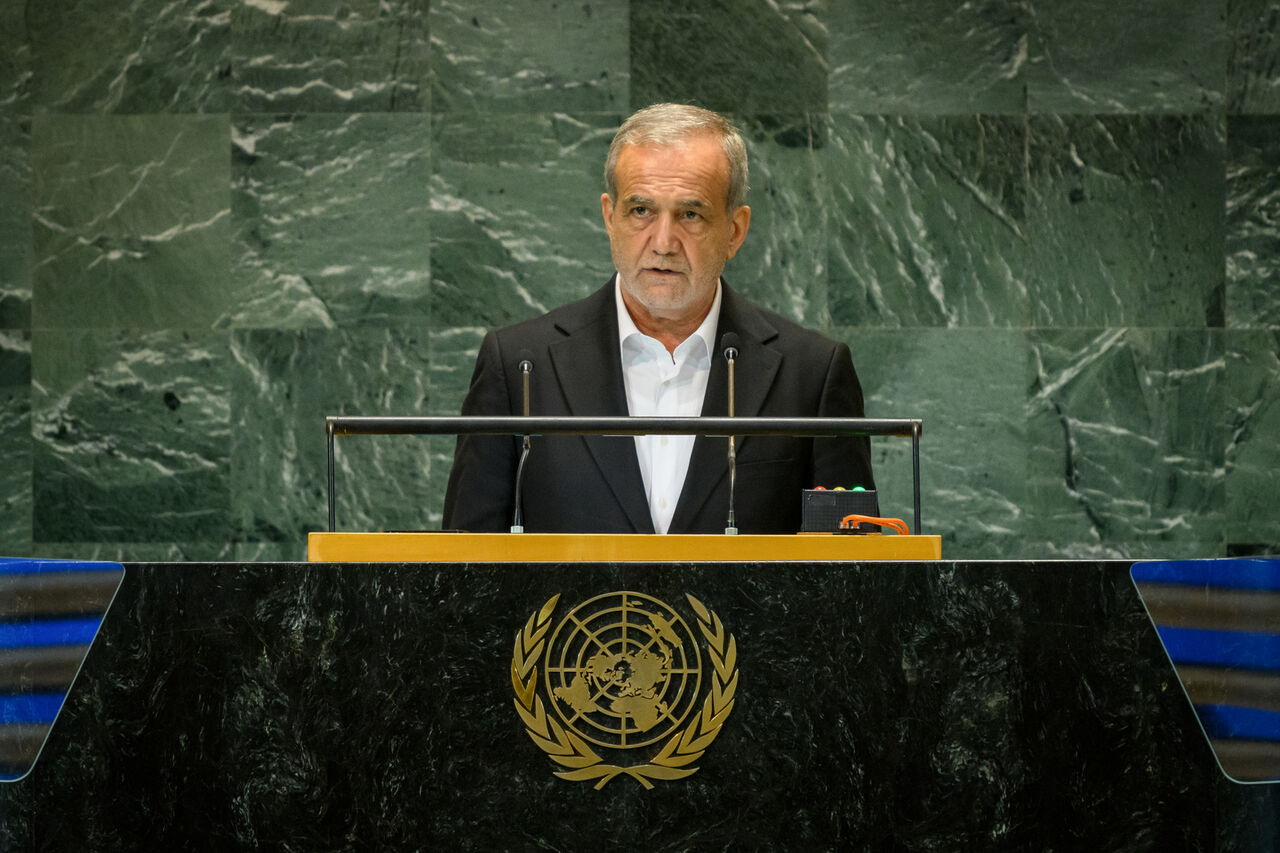
Further complicating Pezeshkian’s position, his remarks during a recent U.S. visit drew fierce criticism. He suggested that Iran would disarm if Israel did the same, a statement seen as reckless by his political rivals. Mohammad Nakhee-Rad, another regime MP, rebuked Pezeshkian for overstepping his authority, reminding him that decisions on war and peace fall under Khamenei’s jurisdiction. Nakhee-Rad also criticized the appointment of Zarif, warning that placing dual citizens in sensitive positions undermines public trust and violates the law.
Adding to the regime’s instability, Saeed Jalili’s advisor and MP Amir Hossein Sabeti accused Pezeshkian of delaying Iran’s response to the assassination of Hezbollah commander Hassan Nasrallah. This led to public tensions, with Pezeshkian’s son defending his father and blaming Israeli propaganda for the accusations.
Power Struggle Intensifies in #Iran as Rival Factions Slam #Pezeshkian’s Governmenthttps://t.co/j6FF8DT5LL
— NCRI-FAC (@iran_policy) September 12, 2024
These internal divisions are exacerbated by the ongoing corruption scandal involving Tehran’s mayor, Alireza Zakani, which has reached Khamenei’s office. Reports from October 9 revealed a significant dispute between Zakani and the country’s General Inspection Organization, indicating the depth of corruption investigations.
Despite efforts to balance power, Khamenei’s regime faces mounting challenges. Pezeshkian’s controversial appointments of governors in key regions reflect an attempt to placate rival factions, yet the deepening crises suggest that Khamenei’s balancing act may not be enough to maintain stability.

MEK Iran (follow us on Twitter and Facebook), Maryam Rajavi’s on her site, Twitter & Facebook, NCRI (Twitter & Facebook), and People’s Mojahedin Organization of Iran – MEK IRAN – YouTu