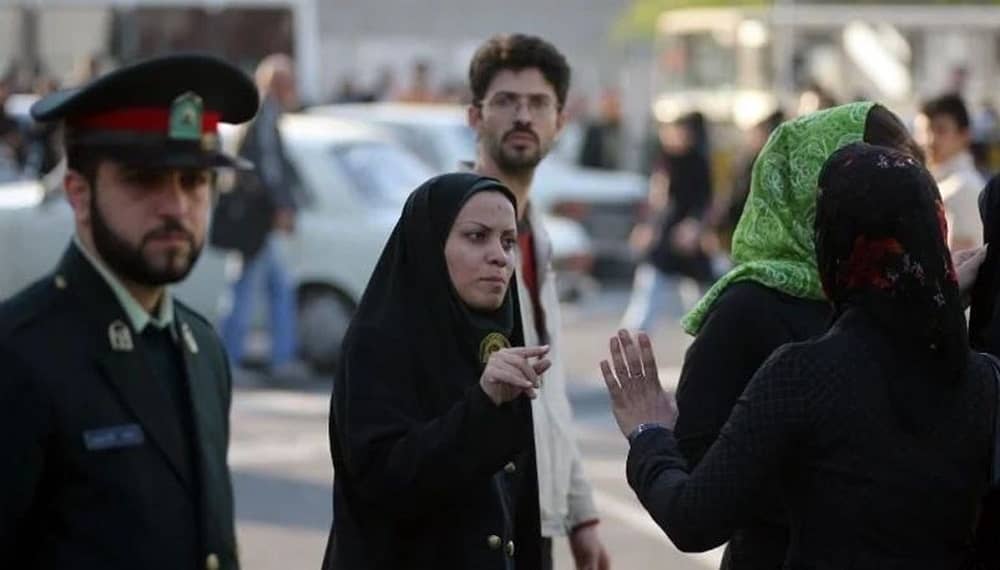
However, despite efforts to accelerate its implementation, significant internal debate and delays signal the challenges the clerical leadership faces in balancing strict social control with the risk of public dissent. On October 19, the Iranian Parliament’s Cultural Commission met with Ahmadreza Radan, commander of the State Security Forces (SSF), to discuss the upcoming enforcement of the hijab law.
Ahmad Rastineh, the spokesperson for the commission, confirmed that the SSF is ready to enforce the law once officially enacted. However, he hinted at “legal needs,” implying potential budgetary demands to support its enforcement. “The Cultural Commission is prepared to address these needs through legal channels,” he stated.
Despite this determined push, the executive branch has reportedly requested a delay in the law’s implementation. According to the state-run Arman-e-Emrouz newspaper, the request is aimed at “negotiating revisions and reconsidering certain aspects” of the law, reflecting the regime’s concern over a potential backlash. Many within the leadership are mindful of the 2022 protests, which erupted partly due to opposition to the mandatory hijab, and they are wary of provoking further unrest.
Facing public backlash over its mandatory #hijab policy, the clerical regime in #Iran orchestrates elaborate festivals to feign popular backing for its oppressive measures. Discover what drives the regime's fear in this revealing expose. pic.twitter.com/OhagqDGBgM
— NCRI-FAC (@iran_policy) May 9, 2024
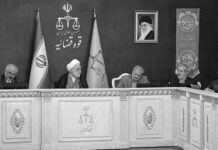
The Guardian Council, responsible for reviewing the law, has given its approval after several rounds of deliberation. Spokesperson Hadi Tahan Nazif emphasized that the law is now legally validated but deferred responsibility for its timing to Parliament and the executive branch.
The push to enforce the hijab law occurs against the backdrop of escalating economic challenges and growing regional tensions. Observers suggest that the regime’s focus on stricter social controls, along with increasing executions and repressive measures, is an attempt to reassert its authority. However, many believe that enforcing the hijab law could backfire, reigniting protests similar to those of 2022.
Following the adoption of the mandatory Hijab bill, #Iran’s freedom-loving women tell the Guardian Council, the mullahs’ supreme leader, and his president, Masoud Pezeshkian: No to the compulsory veil, No to compulsory religion, and no to the compulsory government
— Maryam Rajavi (@Maryam_Rajavi) October 19, 2024
The UN recently highlighted Iran’s intensified efforts to suppress women’s rights, noting that the regime is seeking to “crush remaining initiatives of women’s activism.” As the debate over the hijab law continues, Iran’s leadership faces a delicate balancing act—one that could determine the future stability of the country.