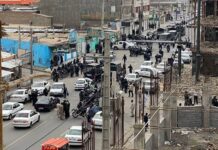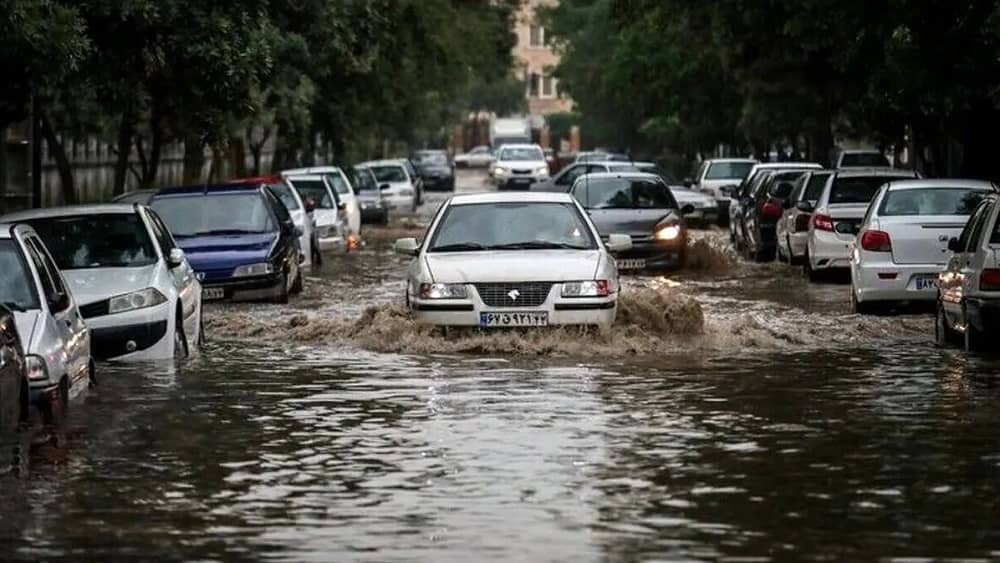
This disaster has exposed the country’s longstanding neglect of vital infrastructure investment, which exacerbates the impact of such natural calamities and leaves affected areas with minimal support. Official relief efforts have been notably limited, leaving many regions struggling to cope with the extensive damage.
In South Khorasan, cities like Sarayan, Ferdows, Eshqabad, Tabas, and Bashravieh experienced overflowing rivers, resulting in road closures and significant disruption to daily life. Streets were submerged, and major routes became impassable, leaving residents stranded. Reports indicate that these areas have been particularly vulnerable due to inadequate flood defenses and poor drainage systems, long overlooked by the state.
The situation is dire in Fars Province as well, where Shiraz faced intense rainfall that flooded main streets and intersections. Key areas, including the martyr Sheikhi Bridge and Yadegar Imam Bridge, were particularly affected, with floodwaters surging through major traffic routes. Authorities provided only basic advisories, and the relief efforts seemed largely ceremonial, failing to address the immediate needs of those affected.
#Iran News:
Flash Floods in Jiroft Leave 15 Dead Amidst Mismanagement and Neglecthttps://t.co/zZhdgblJKE— NCRI-FAC (@iran_policy) October 1, 2024
Kohgiluyeh and Boyer-Ahmad Province also suffered extensive damage, with many areas left without power or running water. Residents in Mahmoudabad and Dasht-e Sisakht reported power outages and significant water damage, with limited emergency assistance available. Rainfall exceeded 70mm in some regions, yet effective drainage systems remain largely absent, increasing local vulnerability.
Northern provinces, including North Khorasan, Razavi Khorasan, and Semnan, faced similar challenges as heavy rains overwhelmed infrastructure. In Neishabur, flash floods trapped residents, while nearly 200 people became stranded on the Miami to Rijab Road when floodwaters ensnared over 100 vehicles. Although temporary shelter and emergency supplies were provided by the Red Crescent, these short-term measures underscored the critical need for sustained infrastructure improvements.
The Iranian Meteorological Organization has issued marine warnings, anticipating hazardous conditions for local fishing operations. Unfortunately, preventive measures remain inadequate, leaving communities ill-prepared for the challenges ahead.
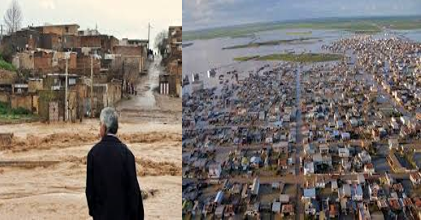
As has been seen in past natural disasters, Iranian officials have largely responded to the flooding with photo opportunities and limited aid, while systemic neglect of essential infrastructure persists. Roads, bridges, and drainage systems remain in disrepair, further exposing communities to future risks. With the likelihood of more rainfall and flooding, residents are left to rely on their resilience in facing ongoing challenges.