The Iranian government’s response was swift, with the state-affiliated Khabar Fouri Telegram channel issuing a warning against sharing information with “opposition media.” The post labeled this as a criminal act and announced potential prison sentences ranging from one to ten years for anyone cooperating with “hostile foreign governments” against Iran.
This crackdown on dissent comes at a time when internal divisions among Iranian officials are increasingly visible. Massoud Ali, a cleric close to Supreme Leader Ali Khamenei, highlighted these fractures by questioning the judiciary’s leniency towards critics of the regime’s military activities.
He emphasized that, during what he called “wartime,” dissenters should be prosecuted harshly, suggesting they be tried as wartime criminals. Ali further criticized internal opposition to Iran’s costly foreign interventions, labeling some critics as “ignorant” and others as “traitors.”
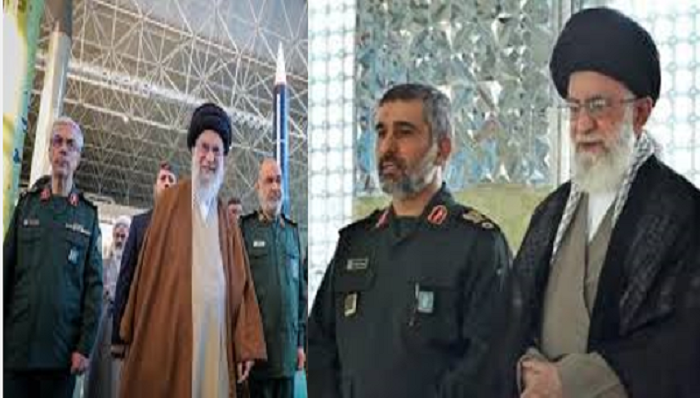
The following day, October 25, Alireza Arafi, the government-appointed head of Iran’s seminaries, also addressed the state television audience. He warned against supporting any ideas that could undermine Iran’s financial and military pursuits in the region, including backing a two-state solution. Arafi described the current situation as a “historical turning point,” urging vigilance and a unified stance in what he called a “monumental confrontation” against adversaries seeking to weaken Iran’s power and position in the region.
These statements highlight a deeper divide within Iran’s leadership as they grapple with growing opposition at home. The regime has long pursued a strategy of regional intervention, framing it as essential for Iran’s security and positioning itself as a dominant force in the Middle East. However, this approach has come at a significant domestic cost, draining resources and exacerbating economic difficulties for millions of Iranians. As opposition to these policies rises, so does the likelihood of increased public unrest.

While officials attempt to maintain regional influence, the substantial human and economic costs are igniting resentment within the country, fueling calls for change. Amidst these regional and internal challenges, Iran’s future stability appears increasingly uncertain, with both external and internal forces testing the regime’s resilience.