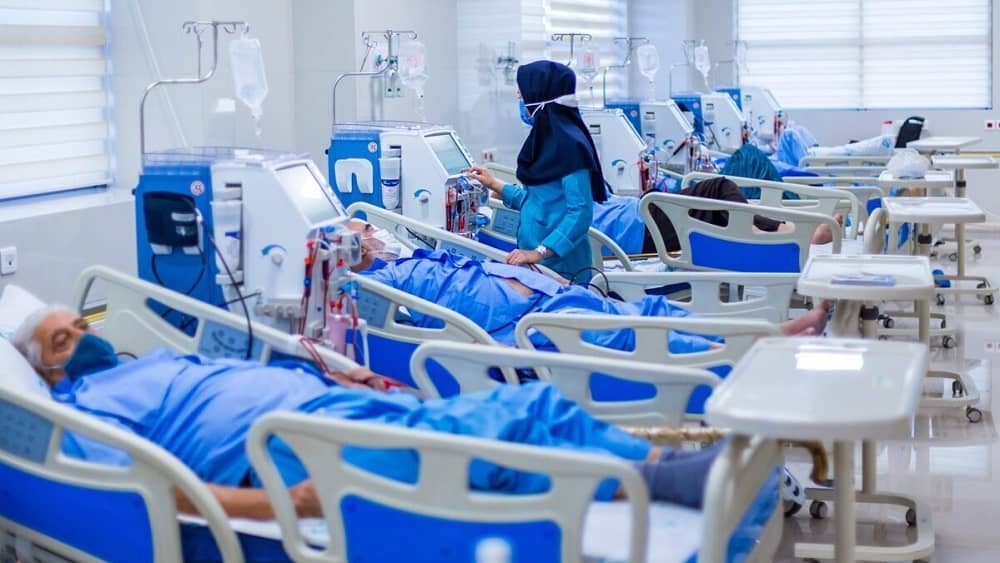
The contaminated solutions, produced by the pharmaceutical company Thamen—an affiliate of the influential Astan Quds Razavi Foundation—have ignited public outrage and criticism over governmental negligence in healthcare management. Thamen’s ties to Astan Quds Razavi, a religious and economic powerhouse with substantial autonomy and limited oversight, have raised suspicions regarding the organization’s prioritization of political alignment over public welfare.
The disaster was solemnly acknowledged by Salman Eshaghi, spokesperson for Iran’s Parliament Health Commission. Eshaghi revealed that initial deaths began in the cities of Mashhad and Isfahan, with patients exhibiting severe symptoms such as seizures, infections, and comas.
The death toll quickly climbed, eventually reaching 70. Amid mounting public criticism, the Ministry of Health responded on November 4 by stating that the incident occurred the previous year and claimed that they had implemented measures to address the issue, downplaying current risks. However, widespread public concern and continued hospitalizations challenge these assurances, suggesting persistent safety issues.
#Iran News in Brief
Secretary-General of the Nurses’ House warned that patients in Iran's hospitals are losing their lives due to the shortage of nurses.
A report in May suggested that over 10,000 doctors and nurses had emigrated from Iran in 2022.https://t.co/KtV9LEUNZV pic.twitter.com/D8CD6ANqaJ— NCRI-FAC (@iran_policy) November 12, 2023
This health scandal has cast a spotlight on deep-seated regulatory failures within Iran’s pharmaceutical sector. Eshaghi emphasized that despite months of investigation and evidence of oversight lapses, the judiciary has yet to take action. Disturbingly, Thamen is reportedly still permitted to manufacture medication. Heydar Mohammadi, head of Iran’s Food and Drug Administration, explained that contaminated raw materials from two suppliers led to aluminum exposure, which was found in certain dialysis solutions produced by Thamen. Although some batches were cleared, others clearly violated safety standards.
The ongoing crisis has intensified scrutiny of Iran’s healthcare system, which has struggled with inadequate resources, systemic corruption, and lack of accountability. With 800,000 Iranians dependent on dialysis, this incident has prompted serious questions about the government’s capacity to safeguard public health.
#Iran's Increased Military Budget at the Expense of Critical Healthcare Situation. https://t.co/NDZjnFpptT pic.twitter.com/8aKiuoJNcl
— NCRI-FAC (@iran_policy) December 28, 2016
This is not the first time Iran’s healthcare system has come under fire. During the COVID-19 pandemic, the regime’s delays and restrictions on vaccine imports—particularly the ban on Western vaccines—were widely criticized. Many healthcare professionals faced harsh working conditions, with inadequate pay and unstable contracts pushing thousands, particularly nurses, to emigrate. The Tehran Nursing Organization reported that 5,000 nurses left Iran amid the worsening healthcare environment.
The dialysis deaths underscore longstanding issues of mismanagement and corruption within Iran’s healthcare system, leaving many to question if the clerical establishment will continue to prioritize political interests over citizens’ well-being.

MEK Iran (follow us on Twitter and Facebook), Maryam Rajavi’s on her site, Twitter & Facebook, NCRI (Twitter & Facebook), and People’s Mojahedin Organization of Iran – MEK IRAN – YouTu