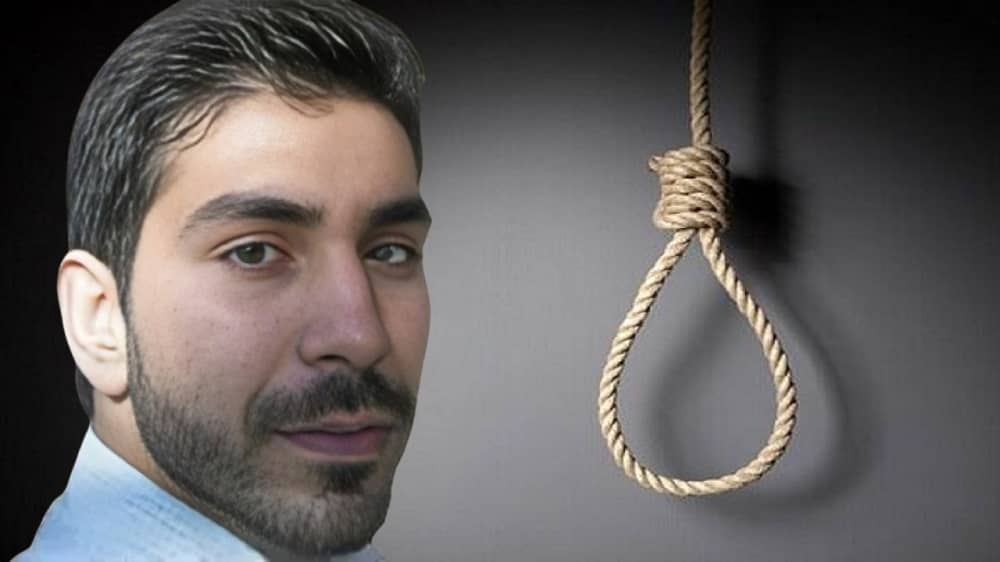
Alizadeh, who had been convicted of murder, was initially granted clemency by the victim’s family after he survived an earlier hanging attempt. However, Iranian authorities chose to proceed with a second execution, highlighting the regime’s brutal and uncompromising stance on capital punishment, even in cases where forgiveness had been extended.
Alizadeh, who had spent seven years in prison since his conviction at the age of 20, had consistently spoken out about the harsh conditions he endured. In an emotional audio recording shared on social media, Alizadeh expressed his despair at being sent back to death row. “I have one death sentence, not a hundred,” he said, recounting how he was repeatedly brought to the gallows, only to be revived each time. He also emphasized, “Once forgiveness is granted, it should not be reversed.”
Human rights organizations have condemned the execution, pointing out that Alizadeh denied the murder charge, claiming he had been tortured into confessing. The case has raised further concerns about the Iranian regime’s disregard for human rights, particularly in instances involving young prisoners and forced confessions.
NCRI Statement:
Execution of 7 Prisoners on Wednesday, Including One Woman; Public Execution of a Prisoner in #Hamedan
461 Executions, Including 15 #Women, During Pezeshkian’s Tenure — a 75% Increase Compared to Raisi’s Last Yearhttps://t.co/2mfhcPF7ix— NCRI-FAC (@iran_policy) November 13, 2024
This double execution comes amidst a broader wave of capital punishment in Iran, with four additional prisoners executed on drug-related charges the same day. The regime’s extensive use of the death penalty, particularly for non-violent offenses, underscores a growing pattern of repression, as reports indicate a sharp rise in executions in 2023. Iran is responsible for 74% of all documented executions globally, according to Amnesty International.
Alizadeh’s case highlights the Iranian government’s reliance on fear and retribution to maintain control, even as it faces increasing domestic and international pressure over its human rights abuses.