A crumbling economy, widespread discontent, and an increasingly precarious regional strategy have placed the regime of Supreme Leader Ali Khamenei under unprecedented strain. The aftermath of the 2022 nationwide uprising and subsequent attempts to distract from domestic grievances through regional conflict have backfired, leaving the regime vulnerable at home and abroad.
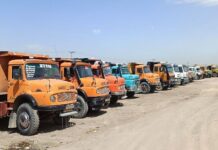
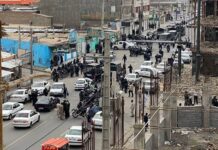
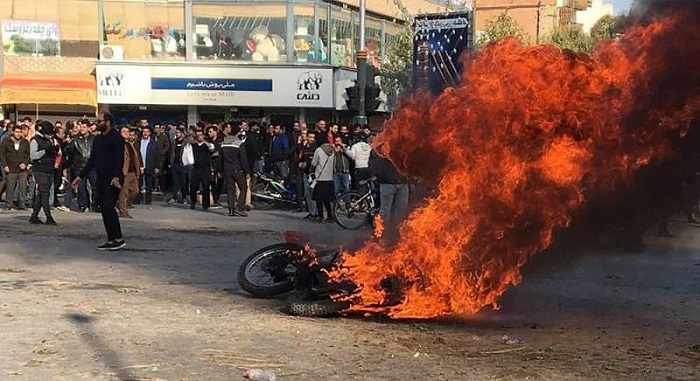
Economic challenges remain at the forefront of Iran’s troubles. Recent government decisions, such as allowing the importation of high-grade gasoline at market rates, have heightened fears of rising fuel costs, potentially triggering protests reminiscent of those in 2019 and 2022. While officials like government spokesperson Fatemeh Mohajerani have attempted to frame these changes as necessary, the public remains skeptical, recalling the violent crackdowns following sudden fuel price hikes five years ago.
President Masoud Pezeshkian’s candid remarks on the unsustainability of subsidized fuel policies have further highlighted the regime’s economic desperation. “A government unable to fund basic necessities cannot afford to sell gasoline at subsidized prices,” he admitted, reflecting a grim acknowledgment of the regime’s financial woes.
3)
Iran: 2019 Uprising, Tehran’s Stance on the #MEK’s Role in the 2019 #Iran Protests#WeStand4FreeIranhttps://t.co/njB5YR8Z6p pic.twitter.com/v8febkpaHp— NCRI-FAC (@iran_policy) November 1, 2020
Simultaneously, Iran is grappling with a host of other crises, including corruption, environmental degradation, and systemic repression. Inflation, medical shortages, and a plummeting currency have exacerbated public discontent, with many citizens decrying what they call “80 million reasons” for change.Internationally, Iran’s isolation deepened following Germany’s decision to shutter all Iranian consulates in response to the execution of dual national Jamshid Sharmahd.
This move, coupled with calls for the European Union to designate the Islamic Revolutionary Guard Corps (IRGC) as a terrorist organization, signals growing European frustration with Iran’s human rights abuses and regional aggression. Meanwhile, the regime’s provocative threats against former U.S. President Donald Trump have reignited concerns over renewed American sanctions, further destabilizing Iran’s already fragile economy.
4)
Iran: 2019 Uprising, FACT SHEET: Officials Involved in Suppression of 2019 #Iran Protests#WeStand4FreeIranhttps://t.co/Ewq33ajoUf pic.twitter.com/p2XmZn6s6O— NCRI-FAC (@iran_policy) November 1, 2020
Internally, concerns over Khamenei’s succession loom large. Speculation around his son, Mojtaba Khamenei, as a likely successor has fueled debates about the regime’s ability to maintain power amidst growing public resistance.
With pressures mounting, both domestically and internationally, Iran appears poised for a tipping point. As chants of defiance echo through the streets, the regime’s survival increasingly hinges on its ability to quell a population driven by anger and hope for change.