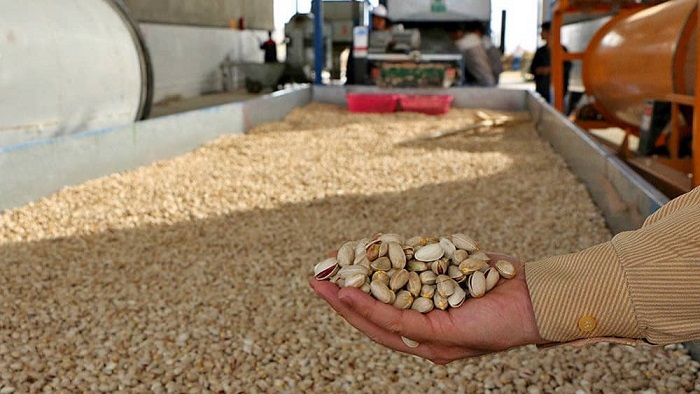
The decision comes after years of warnings from the EU regarding food safety violations, which Iranian officials have failed to address. Siamak Shahriari, a member of the Iranian Dried Fruit Exporters’ Union, confirmed the ban and criticized the government’s inaction. “The Ministry of Agriculture has not given a satisfactory response to the EU’s warnings,” Shahriari said. He highlighted the sharp decline in pistachio export revenues, from $2.5 billion to under $1 billion in recent years, as competitors like the U.S. and Turkey gain market dominance.
Although Iranian pistachio producers have been granted a six-month extension to meet EU standards, challenges remain. Mohammad Reza Torabi, Deputy Chairman of the Agriculture Commission, revealed that several shipments to Europe were rejected over the past two years for non-compliance with health standards. The issue has sparked widespread concern within Iran’s agricultural sector, already burdened by inflation and rising production costs.
Deputy Agriculture Minister Mohammad Mehdi Boroumandi warned that if these challenges persist, Iranian pistachios could disappear from international markets within two years. High inflation and restrictive currency return policies have further undermined the industry’s profitability. “Exports are no longer feasible,” Boroumandi stated, adding that the EU’s ban could ripple into other markets, jeopardizing Iran’s global market share.
#Iran News:
Iranian #Saffron Industry Struggles as Foreign Competitors Rebrand Ithttps://t.co/Mq26EZWqEO— NCRI-FAC (@iran_policy) October 21, 2024
Criticism of the government’s failure to act has intensified. Abdollah Mohajer Darabi of the Iran Chamber of Commerce criticized delayed responses to EU warnings, while Mehdi Tabibzadeh of the Kerman Chamber of Commerce called for private laboratories to enforce stricter food safety standards. Despite these calls, resistance within the government has stalled necessary reforms.
Iran’s pistachio industry, once a cornerstone of its non-oil exports, now faces existential threats. With U.S. production far outpacing Iran’s—500,000 tons annually compared to Iran’s 200,000 tons—the global market increasingly favors competitors.
#Iran News in Brief
One member of the Iranian regime’s Chamber of Commerce has described Iran’s #carpet exports as “disastrous,” citing a significant drop in earnings from $1.7 billion to $50 million annually.https://t.co/LzjezqKXTn pic.twitter.com/8V5bHKT5o3— NCRI-FAC (@iran_policy) April 25, 2023
The EU ban underscores broader issues of governance and economic management in Iran. Without urgent reforms, experts warn that the country risks losing its historic foothold in the pistachio market, symbolizing a broader decline in the nation’s agricultural exports.