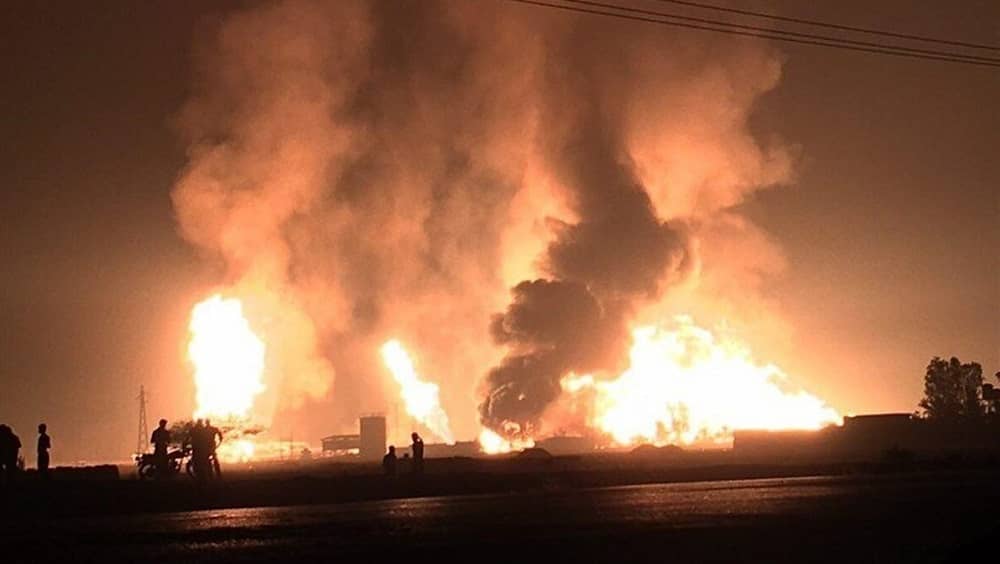
Recent developments in Syria, coupled with the looming possibility of renewed international sanctions, have heightened fears of both economic collapse and social upheaval.
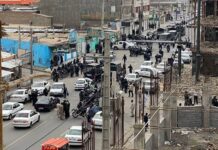
Syria’s Aleppo has become a focal point of concern for Iranian officials. The death of IRGC Brigadier General Pourhashmi during an attack by the insurgent group Jaish al-Nusra has underscored the vulnerability of Iran’s forces and their allies. Officials like Ghorbanali Dorri-Najafabadi, a representative of Supreme Leader Ali Khamenei, have urged heightened vigilance against what they describe as growing threats.
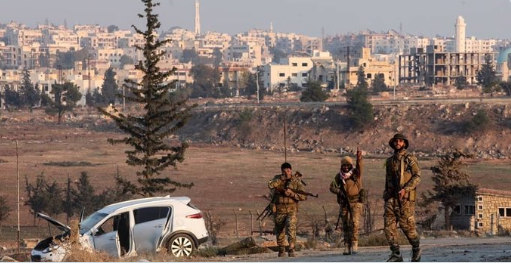
“Our enemies have intensified their enmity. Our people must increase their vigilance tenfold,” he said.At home, dissent over the regime’s regional policies is becoming increasingly vocal. Ahmad Alamolhoda, another key figure aligned with Khamenei, dismissed calls for a reevaluation of Iran’s regional doctrine, including its stance on Israel. He reiterated the Supreme Leader’s position, declaring Israel’s destruction as a non-negotiable objective and criticizing diplomatic efforts with Western nations over the stalled JCPOA nuclear deal.
These internal tensions are mirrored in regional dynamics. The Kayhan newspaper, closely aligned with Khamenei’s office, called the ongoing battles in Aleppo a direct threat to Tehran’s influence. “The resistance axis is under attack. Recent developments are a calculated move against Iran itself,” the paper stated, linking the situation to a broader effort to isolate Tehran in the region.
As November 2019 Uprising Anniversary Nears, #Iran’s Regime Lacks Regional Escape Route Amid Brewing Unresthttps://t.co/47ljcBOcCE
— NCRI-FAC (@iran_policy) November 14, 2024
Meanwhile, Western nations are reportedly exploring the reactivation of UN sanctions under the “snapback” mechanism, further aggravating Tehran’s position. Iranian negotiators have warned that such measures could push the regime closer to developing nuclear weapons, a statement reflecting Tehran’s defiance amid increasing isolation.
As opposition groups in Syria gain ground in Aleppo, Tehran’s grip on its regional alliances is slipping. This, coupled with growing domestic dissatisfaction and economic instability, presents a precarious path forward for the Iranian regime. With multiple crises converging, the clerical leadership faces unprecedented challenges in maintaining its influence both at home and abroad.