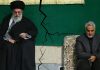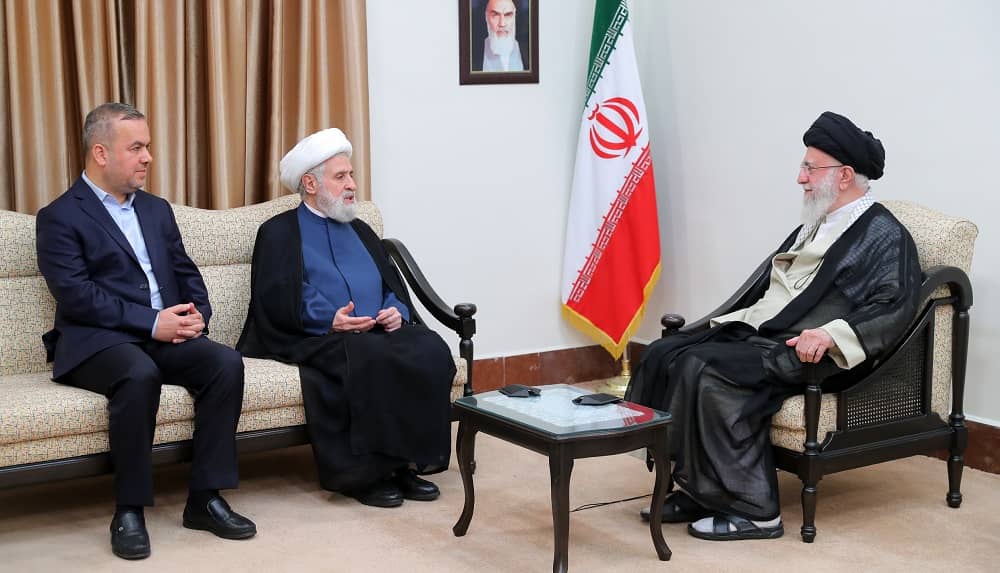
Sheikh Qassem expressed gratitude to Supreme Leader Ayatollah Ali Khamenei, the Islamic Revolutionary Guard Corps (IRGC), and the government of Massoud Pezeshkian for their “generous contributions,” revealing that $77 million has been allocated to aid over 172,000 Lebanese families impacted by Israeli airstrikes.
The financial aid includes $14,000 for families in Beirut whose homes were completely destroyed, while those in outlying areas receive $12,000. Additionally, Hezbollah provides displaced families with monthly stipends ranging from $300 to $400 to cover living expenses. Sheikh Qassem referred to this assistance as a “gift from Iran.” Iranian state-run media outlet Asriran reported that most of these funds originate directly from Tehran.
This revelation has reignited debates over Iran’s foreign policy priorities, as the country faces a worsening economic crisis. In a recent interview, Iranian President Massoud Pezeshkian admitted to widespread domestic challenges, including struggles to maintain fuel subsidies and potential price hikes that could provoke protests akin to those seen in recent years.
Watch the second episode of this series, picturing why and how the terrorist regime in #Iran created the #Hezbollah. pic.twitter.com/UztKPRe55C
— NCRI-FAC (@iran_policy) January 8, 2024
Despite these domestic pressures, the Iranian regime’s financial commitment to Hezbollah remains substantial, with annual estimates ranging between $700 million and $1 billion.Critics argue that Iran’s continued support for Hezbollah and other proxies in the region reflects its strategic aim to maintain regional influence at the expense of its domestic population.
For many Iranians enduring inflation, unemployment, and currency devaluation, the notion of $14,000 in aid sent abroad contrasts starkly with their daily struggles. Public frustration is mounting as Tehran’s foreign expenditures overshadow the dire economic needs at home. This commitment underscores the group’s role as a central pillar in Iran’s “resistance axis,” a strategy aimed at countering perceived regional threats and solidifying Tehran’s ideological influence.
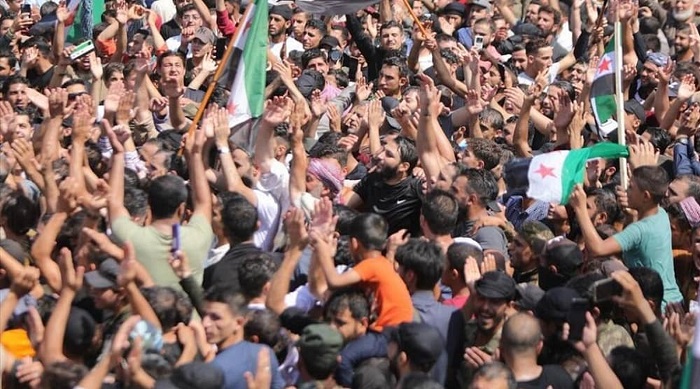
As the Iranian government navigates this precarious balance, analysts warn of the long-term risks. The prioritization of foreign alliances over domestic welfare could exacerbate public discontent and jeopardize the regime’s stability. With mounting economic and political challenges at home and abroad, Tehran’s strategic decisions are fueling both regional tensions and internal unrest, raising questions about the sustainability of its approach.