These clandestine operations, centered around China and Iraq, illustrate how Tehran circumvents restrictions to sustain its regime and fund proxy activities across the Middle East.
Iran-China Oil Trade Flourishes in the Shadows
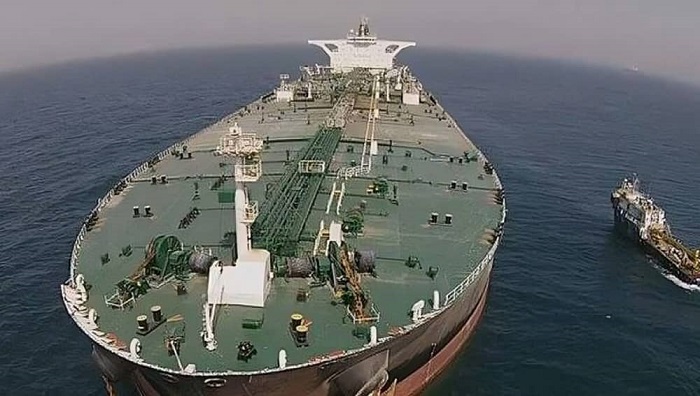
Bloomberg’s December 2 report uncovers a sophisticated oil smuggling network between Iran and China operating in the East China Sea. Despite official sanctions prohibiting such transactions, Beijing has allegedly been sourcing discounted Iranian oil through ship-to-ship transfers, often carried out 65 kilometers off Malaysia’s eastern coast. The report estimates that approximately 13% of China’s oil imports are supplied by this illicit trade.
In the first nine months of 2024 alone, Iran reportedly exported 350 million barrels of crude oil to China, earning around $20 billion even after substantial discounts. These operations rely on a network of tankers and intermediaries to obscure the origin of the oil, with as many as 12 transfers occurring daily.
Satellite imagery and shipping data corroborate the scale of these activities, raising concerns about the potential for U.S. retaliation, particularly if Donald Trump, known for his hardline policies on Iran, regains the presidency. Bloomberg’s analysts warn that secondary sanctions on Chinese entities involved could severely impact both economies.
Classified Documents Show Iran’s IRGC Dominates Oil Revenue#IranRevolution https://t.co/genvxrs91b
— NCRI-FAC (@iran_policy) May 19, 2023
Fuel Smuggling Through Iraq Boosts Tehran and Proxies
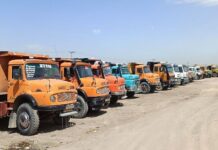
Reuters’ December 3 exposé sheds light on another crucial avenue for Iran’s oil trade: a fuel oil smuggling network rooted in Iraq. Exploiting Iraq’s subsidized fuel system, this network diverts between 500,000 and 750,000 metric tons of heavy fuel oil monthly to the black market. Iranian and Iraqi fuel are often blended and rebranded as Iraqi to evade sanctions, with shipments exported using falsified documentation through southern ports like Basra’s Umm Qasr.
Iran-backed militias, particularly Asaib Ahl al-Haq (AAH), play a pivotal role in this network. Controlled by Iran’s Islamic Revolutionary Guard Corps (IRGC), these groups generate between $1 billion and $3 billion annually from smuggling, funding regional proxy activities and further entrenching Tehran’s influence.
Potential Ramifications and U.S. Response
Both Bloomberg and Reuters emphasize growing U.S. scrutiny of these networks. The Mahsa Amini Human Rights and Security Accountability (MAHSA) Act, enacted in April 2024, includes provisions aimed at curbing Iranian oil smuggling through secondary sanctions. However, enforcement has reportedly been inconsistent, allowing Iran’s underground trade to persist.
#Iran Regime's Revolutionary Guard Engages in Smuggling Oil, Gas, Chemical Products… #IRGC #irgc_terrorist https://t.co/1J08zx4yYm pic.twitter.com/Js4WxMr6Lw
— NCRI-FAC (@iran_policy) March 8, 2017
Washington has raised concerns with Iraqi Prime Minister Mohammed Shia al-Sudani and is weighing stricter measures against Chinese entities complicit in the East China Sea operations. Analysts argue that comprehensive enforcement of existing laws, coupled with new sanctions, could disrupt Iran’s oil smuggling apparatus, though such actions risk significant geopolitical fallout.
As Iran’s economy remains deeply tied to these covert networks, the stakes are high. The unfolding battle over sanctions enforcement and smuggling countermeasures will likely shape regional dynamics and U.S. foreign policy in the years to come.