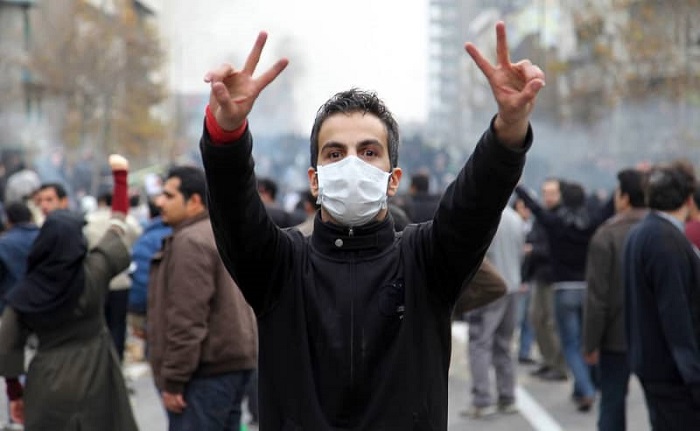
Sparked by economic frustrations but evolving into a full-scale rejection of the ruling theocratic regime, the protests marked a significant shift in the Iranian people’s demands for justice, equality, and systemic change.
What began on December 28, 2017, as a protest in Mashhad over soaring prices quickly spiraled into a nationwide movement, encompassing over 140 cities. Initial chants against economic hardship transformed into bold slogans targeting the regime’s core, such as “Death to Khamenei” and “Reformist, Principlists, the game is over.” These cries reflected a broader discontent with the entire system, which had long been marred by corruption, repression, and mismanagement.
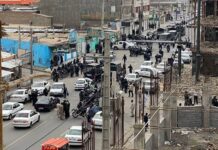
#IranProtests: Direct shots at protesters by regime's repressive forces in the city of Tuyserkan Western #Iran. Monday January 1, 2017. People courageously and under fire are trying to evacuate the injured and killed, this is Tuyserkan in the Western province of #Hamedan. pic.twitter.com/vDonDPtK4N
— NCRI-FAC (@iran_policy) January 1, 2018
The Root Causes
The 2017 protests were not spontaneous but rather the result of years of systemic failures:
- Economic Despair: Decades of mismanagement and corruption had driven millions below the poverty line. Rampant inflation and unemployment exacerbated the public’s frustration, as the regime prioritized foreign interventions over domestic welfare.
- Social Inequality: Workers, students, retirees, and farmers faced exploitation and neglect. The regime’s allocation of resources to military ventures over addressing basic needs deepened societal divides.
- Political Disillusionment: The hollow promises of reform from figures like President Hassan Rouhani had shattered. The population’s realization that “reformists” and “principlists” were united in their allegiance to authoritarianism further galvanized resistance.
#IranProtests: #KhorramAbad, January 3, 2017, security forces surrender to youth protesters.
In the city of Khaorram Abad in Western Province of Lorestan, the youths clash with repressive security forces and they surrender to youths. #RegimeChange #Iran #تظاهرات_سراسرى_ pic.twitter.com/fRVSpZFtPT— NCRI-FAC (@iran_policy) January 3, 2018
- The regime’s response to the protests was swift and violent. Security forces killed at least 40 demonstrators in the streets, with another seven deaths reported under suspicious circumstances in custody. Over 8,000 arrests were made, with many detainees facing torture and sham trials. Supreme Leader Ali Khamenei’s attempt to frame the protests as foreign-led conspiracies failed to convince a population aware of the grassroots nature of the uprising.
The 2017 protests laid the groundwork for subsequent uprisings, such as those in November 2019, which saw even greater levels of participation and repression. The root causes—economic collapse, environmental degradation, and political stagnation—have only intensified. Inflation, unemployment, and systemic corruption remain endemic, while water shortages and ecological crises further fuel public outrage.
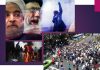
Since the uprising in December 2017-January 2018, when Iranian society entered a new phase of uprisings, the regime stepped up its crimes and adventures in three dimensions #IranProtests #FreeIran2020https://t.co/ytJG4u3rG9 pic.twitter.com/aef0IeQH5x
— Maryam Rajavi (@Maryam_Rajavi) September 22, 2020
As Iranians reflect on the anniversary of the 2017 uprising, their resolve for systemic change endures. Grassroots movements in labor, education, and environmental sectors exemplify a resilient civil society determined to dismantle tyranny. The uprising’s legacy is a testament to the Iranian people’s courage and an unyielding demand for a future rooted in democracy, justice, and equality.

MEK Iran (follow us on Twitter and Facebook), Maryam Rajavi’s on her site, Twitter & Facebook, NCRI (Twitter & Facebook), and People’s Mojahedin Organization of Iran – MEK IRAN – YouTu