The protests, ignited by the rial’s record low exchange rate of over 800,000 to the U.S. dollar, reflect growing public anger over the government’s inability to address the deepening economic crisis. This unrest underscores a precarious economic and political landscape in Iran.
In Sabzeh Meydan, gold traders—a group highly affected by economic fluctuations—led the protests. Their participation highlighted the direct impact of inflation and currency devaluation on their trade.
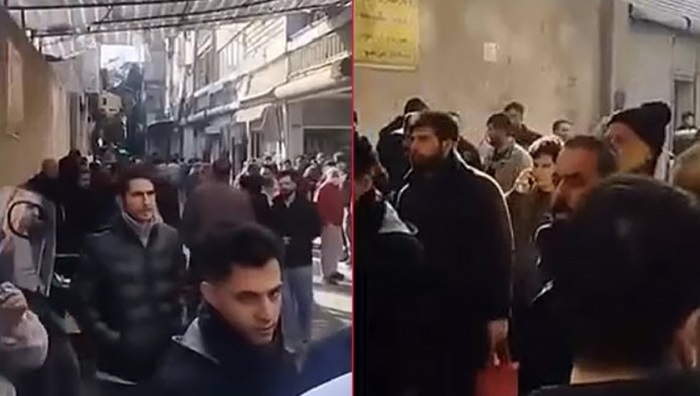
Meanwhile, shoe and fabric merchants showed solidarity by shutting down their businesses, citing unsustainable production costs and skyrocketing raw material prices as critical threats to their livelihoods. Similarly, Abbas Abad Market traders joined the movement, showcasing a united front among Tehran’s merchants.
December 29—Tehran, Iran
Merchants continue their strikes despite repressive measures by the regime's security forces. The Grand Bazaar is in a state of shutdown. #IranProtestspic.twitter.com/5ztpRqCrVs— People's Mojahedin Organization of Iran (PMOI/MEK) (@Mojahedineng) December 29, 2024
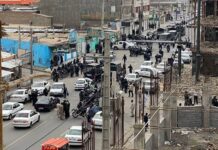
The government’s deployment of security forces to confront protesters in Tehran’s bazaar underscores the movement’s economic significance and its potential to destabilize the market further. Pervasive corruption and mismanagement at all levels of government exacerbate the crisis, leaving many citizens skeptical about meaningful reform. Analysts warn that the protests may escalate into a larger uprising if the government fails to act decisively.
December 29—Tehran, Iran
Textile merchants close shop and join the strikes in Tehran's Grand Bazaar against inflation and high prices.#IranProtestspic.twitter.com/hwvZkwI5t5— People's Mojahedin Organization of Iran (PMOI/MEK) (@Mojahedineng) December 29, 2024
Beyond Tehran, demonstrations swept through other cities, amplifying the socio-economic unrest. In Ahvaz, retirees from the Social Security Organization gathered, accusing officials of mismanaging pension funds and decrying deteriorating living conditions. Retirees in Shush and Qaem Shahr echoed these sentiments, demanding pension adjustments in line with inflation. The plight of retirees underscores the broader economic mismanagement that has left many vulnerable.
December 29—Ahvaz, southwest Iran
Pensioners of the Social Security Organization hold protest rally, reiterating their demands for higher pensions and better living conditions.
"They plundered Iran and ruined our lives," protesters chant#IranProtestspic.twitter.com/baFb23hgSt— People's Mojahedin Organization of Iran (PMOI/MEK) (@Mojahedineng) December 29, 2024
In Ilam, healthcare and academic professionals protested poor working conditions and low wages, signaling growing dissatisfaction within the public sector. Sirjan’s Frico Cooking Oil Company employees protested six months of unpaid wages, spotlighting the private sector’s struggles. Meanwhile, steel and mining retirees in Isfahan called for higher pensions and basic services, reflecting the harsh realities for older workers in industrial sectors.
December 29—Isfahan, central Iran
Retirees of the steel and mines industry hold protest rally, demanding higher pensions and access to basic services.#IranProtestspic.twitter.com/sstF8eolBL— People's Mojahedin Organization of Iran (PMOI/MEK) (@Mojahedineng) December 29, 2024
This wave of protests reveals the mounting frustration across Iran, as citizens from all walks of life unite in demanding economic stability and government accountability. The unrest signifies more than economic despair—it hints at a brewing political reckoning. Without immediate reforms, Iran faces the potential for widespread upheaval, challenging the current regime’s hold on power and potentially reshaping the nation’s future.

MEK Iran (follow us on Twitter and Facebook), Maryam Rajavi’s on her site, Twitter & Facebook, NCRI (Twitter & Facebook), and People’s Mojahedin Organization of Iran – MEK IRAN – YouTu