A Swiss national detained in Iran on espionage charges has died under suspicious circumstances in Semnan prison, prompting a wave of international concern. Iranian officials claim the death was a suicide, but critics argue this explanation fits a troubling pattern of opaque and questionable practices within the country’s detention system.
Switzerland’s foreign ministry confirmed the death and is providing consular support to the deceased’s family. The Swiss embassy in Tehran stated it is engaging with local authorities to clarify the circumstances but has refrained from sharing further details. This restraint contrasts sharply with Iranian state-affiliated media, which quickly framed the incident as a suicide.
The Mehr News Agency reported that the individual took their life after asking a cellmate to retrieve food from the prison commissary. Mohammad Sadegh Akbari, head of Semnan’s judiciary, insisted, “All evidence and documentation… have been reviewed, and according to the evidence, it is clear that he committed suicide.”
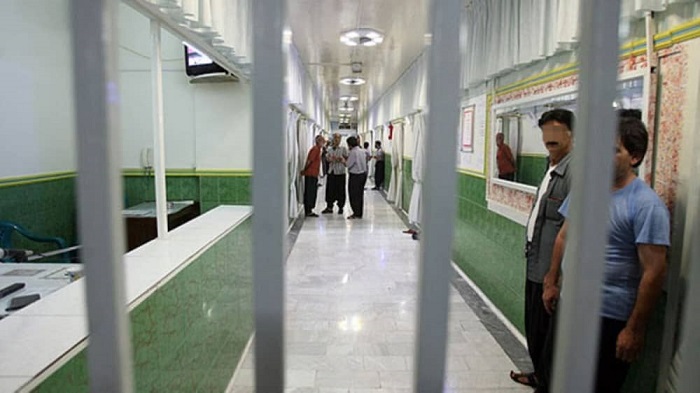
Despite these claims, numerous testimonies from former detainees paint a harrowing picture of life inside Iranian prisons. Reports of torture, psychological abuse, and neglect have become routine, underscoring the regime’s harsh treatment of both domestic and foreign prisoners. Critics argue that such conditions are emblematic of a regime that has weaponized imprisonment to further its political aims.
In light of Hamid Noury's release today, it's crucial to revisit the endless cycle of Western appeasement fueling #Iran's regime #terror and hostage-taking. This loop, starting with Iranian dissidents, now ensnares Western officials and citizens.https://t.co/ieaaOkZb6y
— NCRI-FAC (@iran_policy) June 15, 2024
This incident recalls other controversial cases, such as the 2018 death of Iranian-Canadian environmentalist Kavous Seyed-Emami, who allegedly hanged himself in Tehran’s Evin Prison, and Iranian-German dual national Jamshid Sharmahd, who was executed in October 2024 following contested charges. Both deaths were heavily criticized for their lack of transparency, with families and international observers rejecting the official narratives provided by Iranian authorities.
Observers highlight that the Iranian government’s swift attribution of the Swiss detainee’s death to suicide appears calculated to preempt criticism and control international perceptions. Tehran’s reliance on state-controlled media to disseminate its version of events has further fueled skepticism. The Swiss citizen’s death is particularly significant given Switzerland’s role as a diplomatic intermediary between Iran and the United States, raising concerns about the broader implications for diplomatic relations.
Human rights advocates are calling for an independent investigation into the incident, urging transparency and accountability in a system known for its opacity. With Iran facing mounting domestic unrest and international scrutiny, its treatment of detainees has become an increasingly contentious issue. As pressure grows, Tehran’s ability to evade accountability may face significant challenges, particularly if global actors push for more stringent oversight of its detention practices.

MEK Iran (follow us on Twitter and Facebook), Maryam Rajavi’s on her site, Twitter & Facebook, NCRI (Twitter & Facebook), and People’s Mojahedin Organization of Iran – MEK IRAN – YouTu