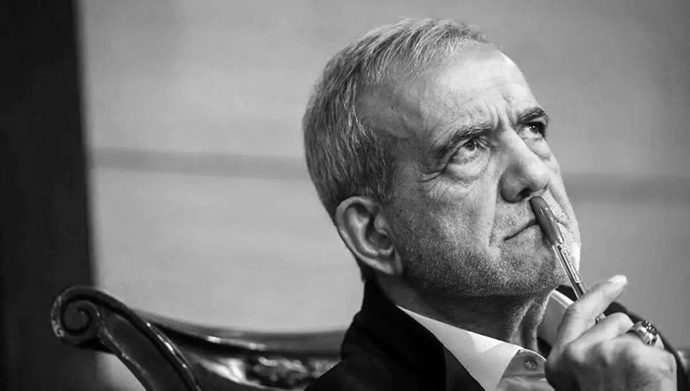
Iranian President Masoud Pezeshkian has become a polarizing figure in recent months, with his speeches drawing criticism for their lofty rhetoric and detachment from the struggles faced by the nation. Over the past five months, Pezeshkian has presented himself as a visionary leader, speaking to his audience as if addressing a new generation with no memory or understanding of Iran’s turbulent past 46 years.
Critics argue that his portrayal of a utopian future disregards the historical and ongoing challenges that define the lives of ordinary Iranians.Pezeshkian’s speeches are marked by grandiose claims of transforming Iran into a developed, leading nation in economic, scientific, cultural, and administrative spheres. Speaking at the “Conference on Developing Investment Opportunities in the Chabahar Free Zone” on January 9, he painted a picture of a prosperous future, describing Iran as “a paradise on a highway of wind.” Yet, these visions, critics argue, are built on a foundation of persistent crises:
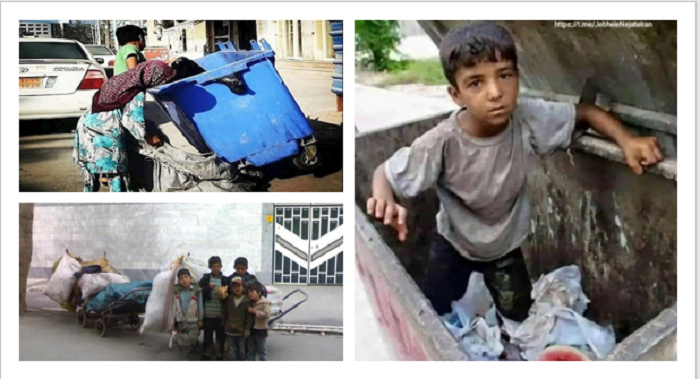
Central to Pezeshkian’s rhetoric is the notion of starting anew, as if the nation’s struggles can be erased or ignored. He avoids addressing the socio-economic hardships faced by teachers, workers, and retirees, choosing instead to focus on abstract ideals. His mantra, “Law is the program,” aligns with the regime’s ideology but offers no tangible solutions to the pressing issues confronting the country. This echoes the infamous declaration by the regime’s founder, Ruhollah Khomeini, that “Islam is itself the law,” a statement historically linked to widespread human rights abuses.
Pezeshkian’s dismissal of brain drain—a critical issue for Iran—has particularly drawn ire. Rather than addressing the political and economic factors driving skilled professionals to emigrate, he frames the crisis as a moral failing of those leaving, urging them to endure hardships and “not abandon their country.” This perspective, critics contend, ignores the systemic corruption and authoritarianism that have fueled the exodus.
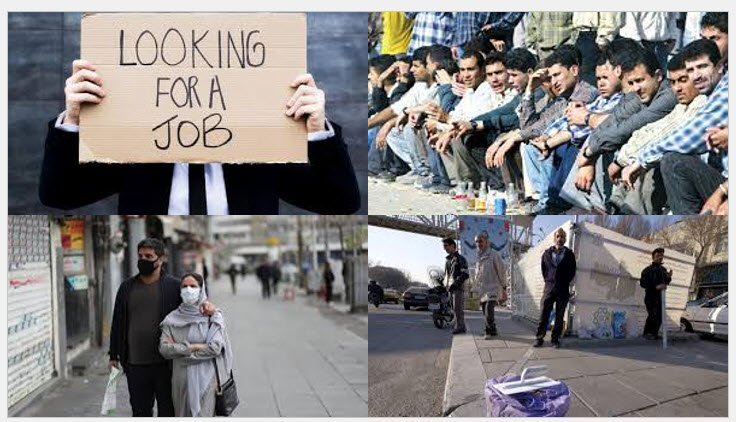
His speeches, filled with grand but vague promises, fail to resonate with many who view them as disconnected from reality. Ultimately, Pezeshkian’s rhetoric, steeped in regime ideology, underscores his estrangement from the majority of Iranians. Critics argue that his vision—a utopia devoid of context or accountability—offers little hope for a nation yearning for genuine progress and reform.

MEK Iran (follow us on Twitter and Facebook), Maryam Rajavi’s on her site, Twitter & Facebook, NCRI (Twitter & Facebook), and People’s Mojahedin Organization of Iran – MEK IRAN – YouTu