A surge of protests has swept across Iran, with citizens from diverse sectors and regions uniting to voice their frustrations over economic mismanagement, environmental crises, and systemic oppression. The demonstrations, spanning cities such as Tehran, Karaj, Kerman, Arak, and Zahedan, underline a deepening discontent with the regime’s inability to address longstanding grievances.
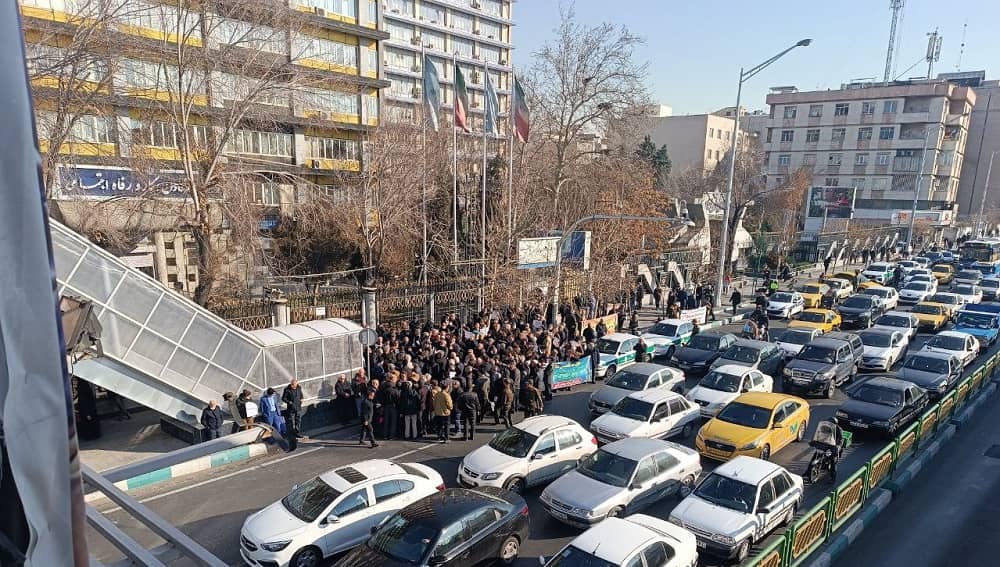
In Tehran, retired employees from the Welfare Store gathered to demand unpaid experience bonuses, while steel and mining retirees protested insufficient pensions and inadequate access to basic services. Their chants of “We won’t stop until our demands are met!” reflect mounting frustration with unfulfilled pension adjustments. Similar sentiments were echoed in Kerman, where Copper Fund retirees demanded increased pensions and the implementation of the 2023 equalization plan, alongside improved healthcare provisions.
January 21—Tehran, Iran
Retirees of the steel and mines industry hold protest rally, demanding higher pensions and access to basic services.#IranProtests pic.twitter.com/wEz67GE43v— People's Mojahedin Organization of Iran (PMOI/MEK) (@Mojahedineng) January 21, 2025
Firefighters in Karaj rallied against salary reductions, highlighting the financial strain faced by many essential workers. In Arak, air pollution caused by mazut burning at the Shazand power plant spurred the sixth consecutive weekly protest. Demonstrators, equipped with banners reading “Clean air is our right!” called for the resignation of officials deemed incompetent in addressing the environmental and public health crisis.
In Zahedan, tensions flared after security forces demolished homes in Locho village, predominantly inhabited by the Baluch minority. Framed as part of “development projects,” the demolitions were widely condemned as discriminatory and oppressive. Reports from Sardasht further detailed the unexplained arrests of Hassan and Mohammad Amin Hassannejad, a father-son duo, spotlighting the ongoing targeting of rural and minority communities.
January 21—Karaj, northern Iran
Firefighters rally to protest the reduction of their salaries. This is a widespread problem among municipality employees.#IranProtests pic.twitter.com/AKmh74nPPp— People's Mojahedin Organization of Iran (PMOI/MEK) (@Mojahedineng) January 21, 2025
The protests extended to the labor sector, with telecom workers in East Azerbaijan Province striking over unpaid wages, and workers at Gilan’s Chooka Wood and Paper Company demanding overdue salaries and retirement settlements. These labor actions expose a broader financial crisis, leaving many struggling to meet basic needs.
Compounding the unrest is Iran’s alarming human rights record, with over 1,000 executions reported in the past year. Critics argue this escalation in capital punishment aims to suppress dissent and maintain control.
August 6—Kerman, southern Iran
Retirees of Copper Fund rally to protest low pensions and the regime's refusal to adjust their pensions according to the costs of living.#IranProtests pic.twitter.com/xN65bwuOuN— People's Mojahedin Organization of Iran (PMOI/MEK) (@Mojahedineng) January 21, 2025
As protests continue to erupt across various sectors and regions, they reveal a collective demand for justice, equity, and accountability. The growing unrest underscores the regime’s systemic failures in addressing economic grievances, environmental challenges, and human rights violations, fueling widespread calls for change in Iran.

MEK Iran (follow us on Twitter and Facebook), Maryam Rajavi’s on her site, Twitter & Facebook, NCRI (Twitter & Facebook), and People’s Mojahedin Organization of Iran – MEK IRAN – YouTu