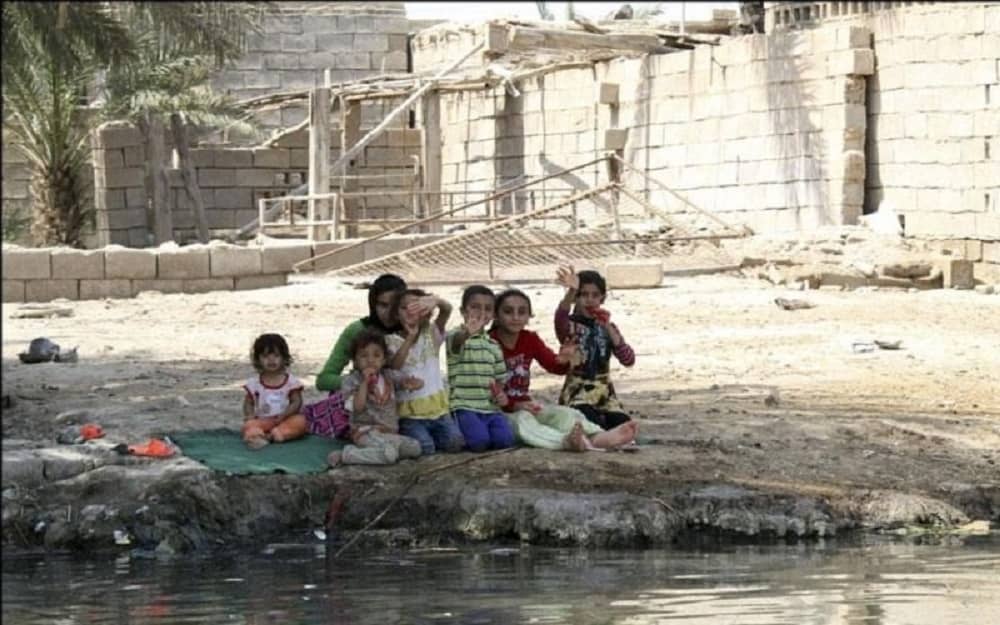
In today’s Iran, poverty is no longer collateral damage—it’s policy. The country’s ongoing economic crisis, marked by skyrocketing inflation, currency collapse, and shortages of essentials, is not simply the result of mismanagement or sanctions. It is, increasingly, a tool wielded by the regime to suppress dissent and maintain control.
On March 24, former budget chief Mohammad Baqer Nobakht confirmed what many Iranians already endure daily: the government intends to extract two quadrillion tomans in taxes from an already crippled economy. The burden falls squarely on the lower classes, already crushed by unaffordable food, medicine, and rent. “Even with this budget,” Nobakht admitted, “running the year ahead will be difficult,” signaling that the hardship is both expected and accepted by the state.
Watch and judge how this insider is warning that #IranRevolution is at the regime's doorsteps. pic.twitter.com/C8ywVnrVJN
— NCRI-FAC (@iran_policy) November 3, 2023
This is not fiscal incompetence. It is a deliberate act of economic suffocation. The regime maintains a system of controlled scarcity, ensuring that the population remains too exhausted to organize or resist. Hunger, in this context, becomes a form of governance.
Even senior figures within the regime have started acknowledging internal rot. Ahmad Alamolhoda, Supreme Leader Khamenei’s envoy in Mashhad, recently criticized state-linked institutions for manipulating markets and smuggling subsidized goods abroad, a rare admission from within. However, by blaming shadowy “infiltrators,” he attempts to deflect attention from systemic corruption to supposed rogue elements.
The signs of economic decay are everywhere. The U.S. dollar recently surpassed 100,000 tomans. Medicines have tripled in cost. Many families can no longer afford a full meal. Yet billions are funneled into foreign militias and vanity projects while Iranians struggle to survive.
While the people of #Iran suffer from hunger and poverty, the regime invests millions in religious influence abroad. Watch and judge the admissions of this #IRGC official pic.twitter.com/XXXYj2dvRS
— NCRI-FAC (@iran_policy) September 8, 2023
Public trust in the government has also collapsed. Senior official Gholamreza Mesbahi-Moghaddam recently asked citizens to invest in state firms, despite past incidents where savings were “powdered”—a euphemism for vanished. It’s a request that sounds less like policy and more like desperation.
Meanwhile, the regime profits from a thriving black economy. The narcotics trade alone is worth 300,000 billion tomans. Fuel smuggling continues under military protection. These aren’t isolated scandals—they’re the pillars of a shadow economy that benefits the elite while pacifying the masses.
Why are ordinary #Iranians slipping under the #poverty line on a daily basis? pic.twitter.com/WV4ZRiZNua
— NCRI-FAC (@iran_policy) December 13, 2023
Iran’s economic misery, then, is not accidental. It’s strategic. By keeping the population focused on daily survival, the regime avoids the risk of organized resistance. In this model of rule, despair isn’t a byproduct. It’s the plan.

MEK Iran (follow us on Twitter and Facebook), Maryam Rajavi’s on her site, Twitter & Facebook, NCRI (Twitter & Facebook), and People’s Mojahedin Organization of Iran – MEK IRAN – YouTu