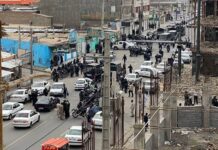
Safavi highlighted the pivotal role of women and youth in the recent protests, noting, “The 2022 uprising, catalyzed by the tragic death of Mahsa Amini at the hands of the regime’s security forces, symbolized a resounding call for freedom and democracy.” He emphasized the severity of the regime’s response, citing Amnesty International reports that documented widespread killings and torture.
According to Safavi, these actions underscore the regime’s willingness to use extreme measures to suppress dissent, further demonstrating the urgency of the protesters’ demands for fundamental change in Iran’s governance.
Critical of the regime’s human rights record, Safavi stated, “The Iranian regime systematically violates the fundamental rights of its populace, undermining the essence of human existence.” He pointed to specific incidents such as the 1988 massacre of political prisoners and ongoing executions as evidence of the regime’s brutality.
The Cambridge Journal of Law, Politics, and Art: Special Edition: The Human Agendahttps://t.co/lvs36qoyST
Here is part of my interview with CJLPA:
"Founded by visionary Muslim intellectuals—Mohammad Hanifnejad, Saeed Mohsen, and Ali Asghar Badizadegan—in September 1965, the… pic.twitter.com/gsOJVEyaIH— Ali Safavi (@amsafavi) July 3, 2024
Safavi outlined the NCRI’s plan for Iran’s future, emphasizing a commitment to democracy, secularism, and human rights. “The NCRI fulfills a pivotal role by showing a path forward for the Iranian people and the global community—an alternative ready to usher in a new era post-regime,” he said. The plan includes gender equality, minority rights, and abolishing the death penalty.
Stressing the importance of a viable alternative ready for when the current regime falls, Safavi said, “The alternative functions as the guiding force, orchestrating the course of actions in this battle. It elucidates the necessary steps, defines the direction, sets priorities, and safeguards the Iranian people’s assets from the regime’s plundering machinations.”
A significant portion of the interview focused on Safavi’s appeal for international support. He criticized Western policies of engagement with Tehran, arguing that “appeasing the Iranian regime and acquiescing to its demands and blackmail remains one of the main challenges” in effecting change.
Who Represents the People of #Iran?https://t.co/B6fXrDkBWb
— NCRI-FAC (@iran_policy) September 7, 2023
Safavi called for specific actions from the international community, including placing the Islamic Revolutionary Guard Corps (IRGC) on terrorist lists, shutting down Iranian embassies in Europe, expelling regime agents from European institutions, restoring UN Security Council resolutions and sanctions, and recognizing the Iranian people’s struggle for regime change. He emphasized that these measures would “convey a strong message to Tehran’s tyrants.”
Safavi concluded the interview with a powerful message to the global community: “Our resistance, led courageously by women and the youth, is not just a series of sporadic protests but a sustained movement forged through relentless sacrifice and unwavering hope.” He argued that the struggle in Iran has implications beyond its borders, asserting that “a democratic Iran would be a lynchpin for enduring peace and stability in the region.”
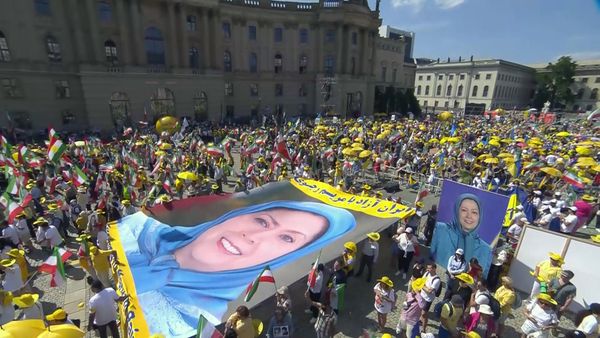
As protests continue to challenge the current government in Tehran, Safavi’s words underscore the complexity of the situation and the high stakes involved in Iran’s political future. The opposition’s call for international support highlights the global implications of Iran’s internal struggle, presenting a challenge to policymakers worldwide as they navigate their relationships with Iran.

MEK Iran (follow us on Twitter and Facebook), Maryam Rajavi’s on her site, Twitter & Facebook, NCRI (Twitter & Facebook), and People’s Mojahedin Organization of Iran – MEK IRAN – YouTu