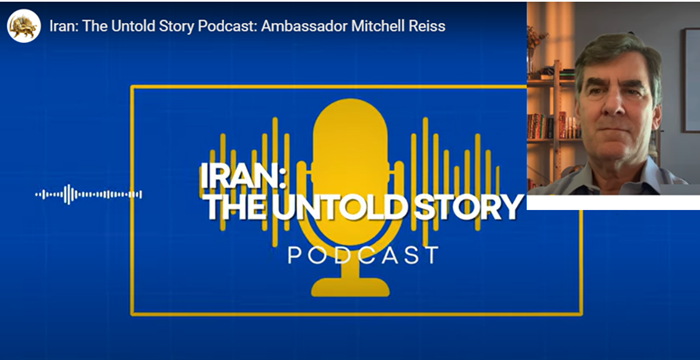
This discussion illuminated the challenges facing international efforts to promote democracy and human rights in Iran, offering a nuanced perspective on the subject.
Reiss critiqued the inconsistent approaches of previous U.S. administrations towards Iran, stressing the need for a more resolute and consistent policy. He argued, “Sometimes we try to coddle this regime, sometimes we’re hoping that if we grant concessions they will reciprocate.” This inconsistency, according to Reiss, undermines efforts to support the Iranian people who are courageously opposing their oppressive regime.
A significant portion of the conversation was dedicated to addressing the National Council of Resistance of Iran (NCRI). Reiss expressed admiration for the NCRI’s bravery and commitment, highlighting its 10-point plan as a model for Iran’s future. He praised the plan’s moral clarity and inclusiveness, emphasizing its potential as a roadmap for democratic reform. Reflecting on his initial encounters with the NCRI during his tenure as Director of Policy Planning, Reiss acknowledged the regime’s persistent efforts to disseminate misinformation about the organization.
Reiss also tackled the issue of Iranian propaganda, underscoring the critical need to counter the regime’s false narratives. He highlighted the significance of the efforts to delist the People’s Mojahedin of Iran (PMOI/MEK) from the U.S. list of designated terrorist organizations. According to Reiss, the Iranian regime fears the MEK because of its advocacy for democracy and freedom, representing a genuine threat to the regime’s grip on power.
The podcast episode shed light on the broader complexities shaping Iranian policy and the persistent struggle for democracy and human rights within the country. Ambassador Reiss’s expertise provided listeners with a deeper understanding of the multifaceted challenges and opportunities that lie ahead in addressing Iran’s domestic and international affairs.
This comprehensive discussion not only highlighted the courage and resilience of the Iranian people but also emphasized the critical need for a steadfast and supportive international stance. Reiss’s analysis serves as a call to action for policymakers and the global community to stand in solidarity with those fighting for democratic reform in Iran. As the quest for change continues, the insights from this episode offer a valuable perspective on the path forward.

MEK Iran (follow us on Twitter and Facebook), Maryam Rajavi’s on her site, Twitter & Facebook, NCRI (Twitter & Facebook), and People’s Mojahedin Organization of Iran – MEK IRAN – YouTu