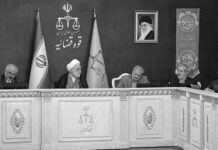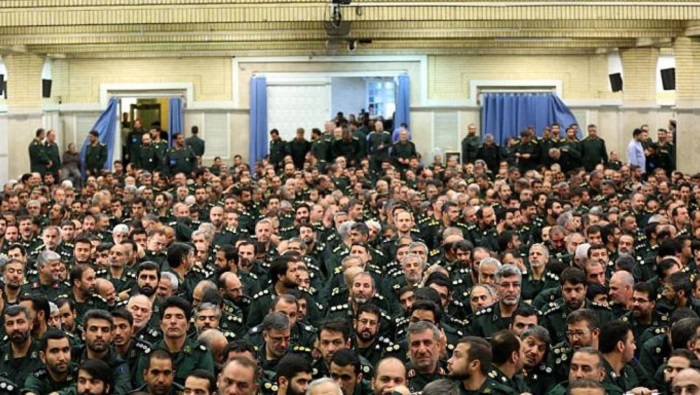
In an unprecedented turn of events, this year’s Muharram mourning ceremonies highlighted a rising sentiment of discontent and defiance against the Iranian regime, signaling not just a societal shift, but an alarming defection crisis within the regime’s staunchest supporters, the Basij.
IRGC commander Hossein Salami, during a recent assembly with Basij leaders, acknowledged the glaring issue of empty Basij bases and defections within their ranks. “Concentrate on the bases! Promote the Islamic neighborhoods!. And activate them!” Salami emphatically stressed, trying to rally and uplift the spirits of his disheartened forces.
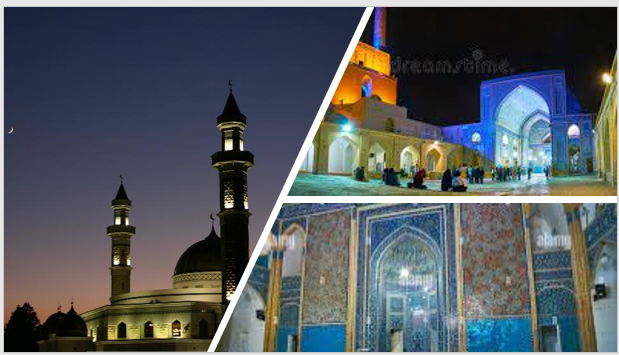
This sense of disillusionment isn’t confined to the military domain. Several leaders have expressed concern about dwindling attendance at Friday prayers and the increasingly vacant state of regime-affiliated mosques.
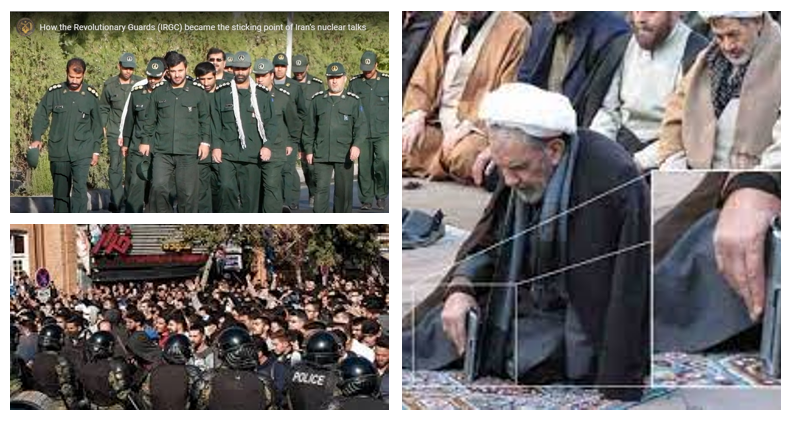
Blaming external adversaries for this decline, Hosseini Hamdani, Friday prayer leader in Karaj, claimed these ‘enemies’ are manipulating the mindset of loyal forces, infiltrating them with propaganda against Islam.
This crisis of faith within the regime’s circles is palpable. An anecdote from a defector’s Telegram channel shared a harrowing account of war veterans, scarred and hurt, expressing disillusionment with the regime they once fought for. “These people are filled with pain, and their voices are not listened to,” the user wrote, highlighting the regime’s dismissal of their sacrifices.
Echoing this sentiment, Kuwaitipour, a religious singer previously aligned with Khamenei, released a song indicating the supreme leader’s diminishing reign, singing, “your time is over chief.” This song triggered a broad response from regime media, with some IRGC and Basij members demanding punitive measures against Kuwaitipour. Barterinha, a state-run website, portrayed Kuwaitipour as a traitor, while also reluctantly admitting the increasing defections, stating, “The new generation blames the leader for betrayal.”
The foundation of the regime’s support is evidently cracking. Veterans and families who once sacrificed for their country now feel disillusioned, seeing the fruits of their labor stolen by corruption and deception. As these voices of dissent grow louder and more mainstream, Iran finds itself at a pivotal crossroads. The question remains: will these defected forces spark a significant change in Iran’s political and social landscape? Only time will tell.

MEK Iran (follow us on Twitter and Facebook), Maryam Rajavi’s on her site, Twitter & Facebook, NCRI (Twitter & Facebook), and People’s Mojahedin Organization of Iran – MEK IRAN – YouTu