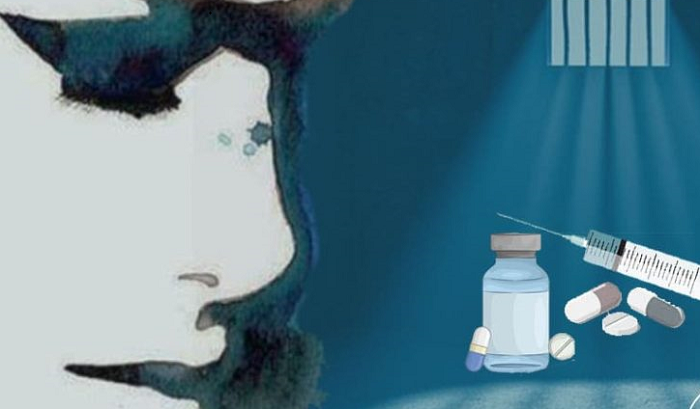
These include tactics like staged suicides, forced illness, and even alleged “biological assassination,” involving the administration of psychoactive drugs and the induction of autoimmune diseases to weaken prisoners’ mental and physical health.
One such method, referred to by some as “biological assassination,” purportedly involves exposing detainees to psychoactive drugs or administering treatments that induce chronic autoimmune diseases like Multiple Sclerosis (MS) or lupus.
These debilitating conditions leave prisoners unable to resist, making them vulnerable to further psychological manipulation. Comparisons have been drawn to inhumane medical experiments of the past, with human rights advocates demanding a more robust international response to such violations.
Numerous accounts highlight the prevalence of torture and abuse within Iranian prisons, with physical violence, verbal abuse, and degradation employed to demoralize prisoners. Women, particularly, face gendered abuse, often enduring harassment and assault at the hands of male interrogators.
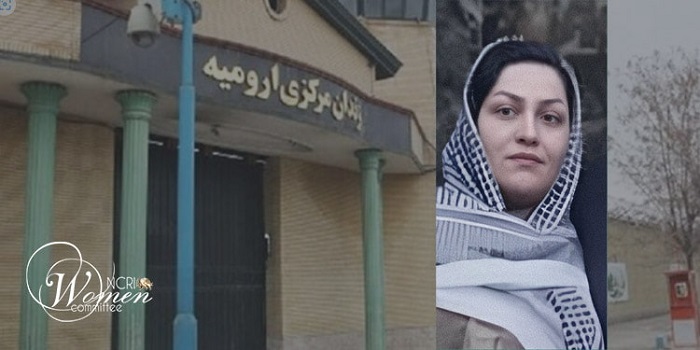
In a particularly distressing case, Kurdish political prisoner Soada Khadirzadeh suffered intense torture and threats while detained while pregnant in Urmia, Iran. Khadirzadeh was coerced to confess to aiding her husband’s escape from the country under threats of losing custody of her newborn.
During nationwide protests in 2022, the Iranian government attributed multiple deaths under detention to “heart attacks,” “falls,” or “suicides,” deflecting attention from what protesters claim were brutal police tactics. Many political prisoners have suffered illnesses during or after their release, with advocates linking these cases to the administration of psychoactive drugs and unexplained “medical treatments” in prison. Detainees like Atena Daemi and Motahareh Gouneii developed severe autoimmune diseases after alleged forced medication regimens.
Suspicious deaths following release have also fueled international scrutiny. In one case, attorney Maryam Arvin reportedly died from drug poisoning after prison authorities administered an IV sedative. Similarly, former political prisoner Sara Tabrizi’s death was attributed to “pill ingestion” shortly after she endured intense psychological pressure.

As international awareness grows, human rights organizations are urging swift global intervention. Many are calling for an international response to condemn these alleged abuses and support Iran’s political prisoners and protestors. Experts believe increased scrutiny and isolation could pressure the regime to address its severe human rights record and ultimately support Iranians in their struggle for freedom.