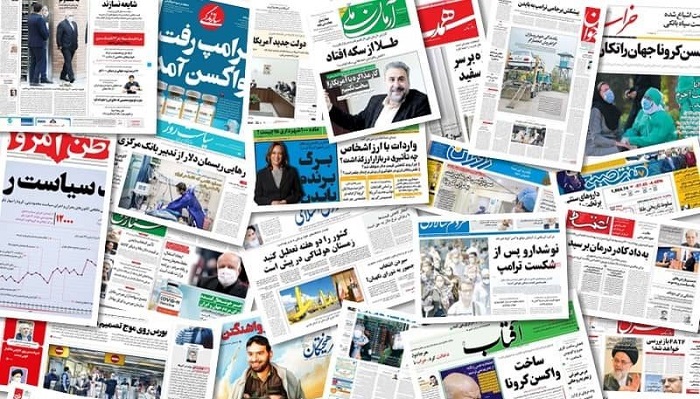
Through cautiously worded analyses, outlets typically aligned with the regime have exposed significant failures, highlighting economic mismanagement, unfulfilled promises, and growing societal unrest.
At the forefront of criticism is the administration’s handling of the economy. According to Hamshahri Online (November 14, 2023), the Iranian rial has suffered its sharpest early-term depreciation under any government since the revolution. The free-market dollar rate skyrocketed from 59,100 to 69,500 rials, marking a staggering 17% loss in value. Economist Kamran Nadri, writing in Ham-Mihan, underscored the lack of substantive action, pointing to the persistent gap between free-market and official exchange rates, with no meaningful reforms in sight.
Other state outlets have been equally scathing. Tabnak highlighted the administration’s inability to tackle core economic issues and widespread livelihood challenges, despite “small but significant” steps in diplomacy. The outlet also criticized the failure to reverse internet censorship, a campaign promises repeatedly touted but left unfulfilled.
#Iran News:
Economy Plunges as Rial Hits Record Low and #StockMarket Suffers Sharp Declinehttps://t.co/7o6WlZsO10— NCRI-FAC (@iran_policy) October 20, 2024
The administration’s rhetorical appeals for “national unity” have also faced scrutiny. Shargh Daily questioned the sincerity of these calls, pointing to the appointment of governors who opponents of President Pezeshkian as an example of political theatrics were previously rather than genuine unity. The controversial endorsement of the “Hijab and Modesty Law” further deepened societal divisions, undermining claims of inclusivity.
Social dissatisfaction continues to rise, with Mashregh News and Jahan News decrying the administration’s reliance on symbolic gestures over systemic reform. Initiatives such as wage increases for nurses have been dismissed as temporary fixes that fail to address deeper issues like inflation, unemployment, and economic disparity.
As public discontent mounts, Jame Jam Daily warned that the administration appears more focused on preserving regime stability than enacting meaningful reforms. The paper described its strategy as “buying time” rather than solving problems, further eroding its fragile legitimacy.
#IranProtests:
Nationwide Demonstrations by Retirees, #Teachers, and Workers Amid Economic Strain and Social Unresthttps://t.co/ym2ynzA1Z0— NCRI-FAC (@iran_policy) November 11, 2024
The consequences of this inaction are dire. With spiraling inflation and unemployment, the grievances that fueled the 2019 uprising resonate louder than ever. As the anniversary of those protests’ approaches, the regime finds itself grappling with mounting public frustration and dwindling resources to suppress dissent, leaving it more vulnerable than at any time in recent years.