Today’s demonstrations, spanning cities like Tehran, Ahvaz, Isfahan, and Tabriz, reveal a deepening frustration among retirees, municipal workers, students, and marginalized communities who feel neglected amid a steep economic downturn and harsh government policies.
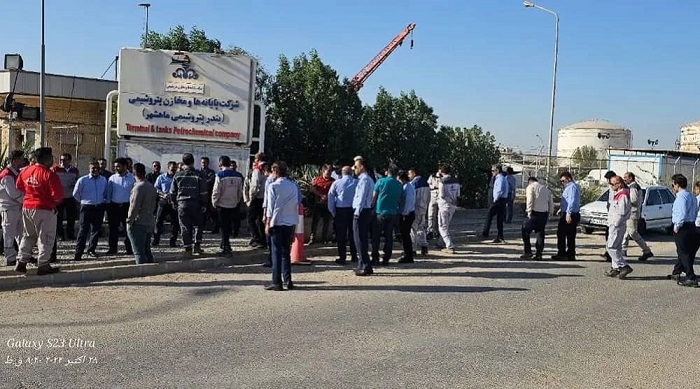
One focal point of the protests has been the Telecommunications Company of Iran retirees, who gathered in cities like Ahvaz, Ilam, and Tehran. These pensioners are demanding higher pensions to counteract rising inflation, citing diminishing purchasing power and the government’s failure to meet basic welfare promises.
October 28—Iran
Retirees of the Telecommunications Company of Iran hold protest rallies in Tabriz, Bijar, Tehran, and Shiraz. The protesters demand higher pensions and basic services based on the regime's own laws.#IranProtestspic.twitter.com/1w0QsWm5Yw— People's Mojahedin Organization of Iran (PMOI/MEK) (@Mojahedineng) October 28, 2024
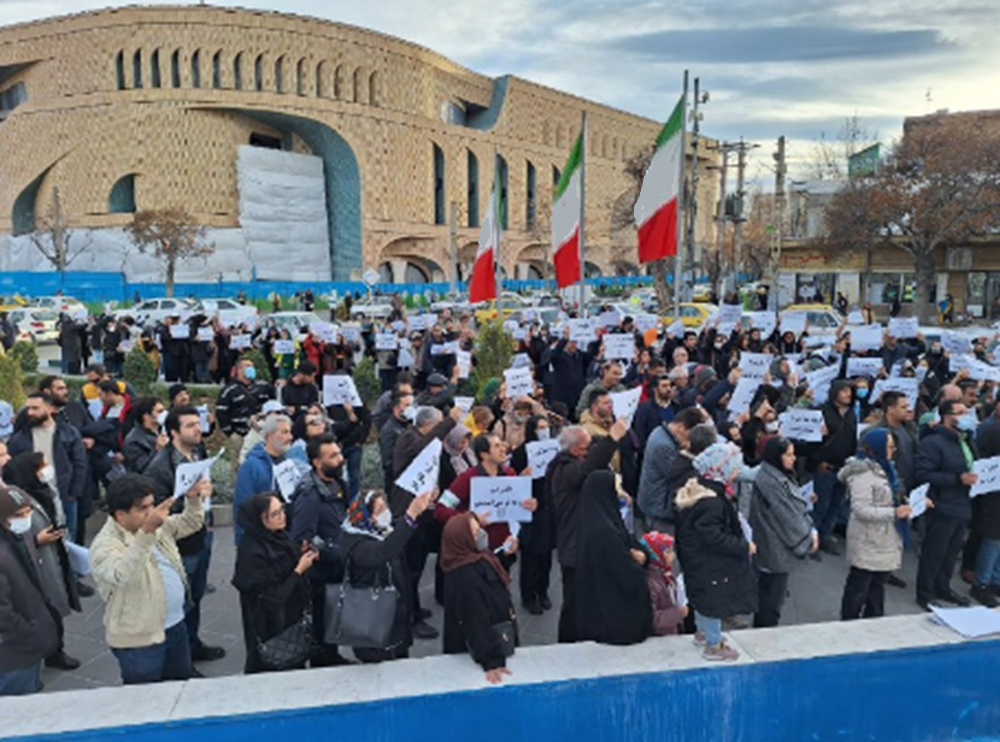
Protesters in Isfahan and Zanjan chanted, “We demand justice, not empty promises!” as they decried inadequate pension adjustments, symbolizing a growing reliance on public demonstrations to gain attention where formal processes have failed.
Meanwhile, municipal workers in Ilam joined the unrest, demanding payment of overdue wages. Amid Iran’s financial crises, public sector employees essential to municipal services have increasingly seen their wages stagnate, exacerbating discontent among the working class. The protesters’ demands underscored a critical point of grievance: while costs climb, workers’ paychecks have not kept pace, leaving many struggling to afford even basic necessities.
In Tehran, students added their voices, rallying at Tehran University’s Faculty of Social Sciences against what they described as the “militarization” of university spaces and increased gender segregation policies.
October 28—Tabriz, northwest Iran
A group of residents from the Madani district rally to protest poor access to potable water, gas, and other problems.#IranProtests pic.twitter.com/B66C8HAUZ1— People's Mojahedin Organization of Iran (PMOI/MEK) (@Mojahedineng) October 28, 2024
Students called for an end to these restrictive measures and a return to politically open and inclusive campus environments, criticizing the administration’s focus on celebrity events as a diversion from pressing issues like mental health support and campus freedom.
Despite attempts by campus security to break up the gathering, students held firm, reading a statement supporting labor rights and demanding greater respect for student activism.
Amid the protests, reports surfaced of further crackdowns on Iran’s marginalized populations. On October 27, security forces in Sarbisheh, South Khorasan Province, fatally shot two Baluchi residents following a pursuit. The Baluchi community, long marginalized, faces repeated reports of state violence, echoing other recent incidents where security personnel targeted vulnerable populations, including street vendors in Gorgan.
Such measures have become emblematic of the government’s broader policy restrictions, which many Iranians view as an affront to both cultural pride and civil liberties.
Against a backdrop of inflation exceeding 40% and a national currency in freefall, public unrest in Iran is mounting. As citizens from diverse backgrounds unify in protest, the movement underscores a growing perception that government priorities remain focused on foreign policy and internal repression rather than on the well-being of its people.