Widespread protests have erupted across Iran, with workers, retirees, landowners, and farmers voicing their frustrations over economic mismanagement, environmental degradation, and government corruption. Demonstrations have been reported in major cities, including Tehran, Isfahan, Bushehr, and Ilam, underscoring the government’s ongoing failure to address mounting crises.
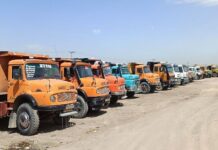
In Ilam, western Iran, farmers from Siahgol village gathered in front of the governorate to protest violations of environmental regulations that threaten their livelihoods. Similarly, in Isfahan, defrauded homebuyers rallied outside the governor’s office, condemning state-owned housing companies for failing to deliver on their promises. Meanwhile, truck drivers in eastern Isfahan blocked roads in protest against unfair freight distribution, rising fuel costs, and favoritism in cargo allocation.
March 5—Tehran
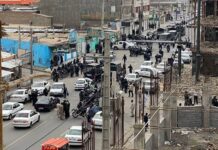
Caspian credit institution victims rally outside the Central Bank, demanding their stolen savings after 8 years of false promises and government inaction.
They chant: "Neither judges nor the government care about the people!"#IranProtestspic.twitter.com/EU65VIgrxC— People's Mojahedin Organization of Iran (PMOI/MEK) (@Mojahedineng) March 5, 2025
Economic hardships have also led to financial protests. In Tehran, victims of the Caspian credit institution demonstrated outside the Central Bank, demanding compensation for their stolen savings. Their chants reflected growing public distrust: “Neither judges nor the government care about the people!”
Labor unrest is escalating as well. In Bushehr, workers at the Baghan Dam project launched a strike after enduring four months of unpaid wages, leaving them in financial distress just weeks before Nowruz. In Haft Tappeh, agricultural workers of the Sugarcane Cultivation and Industry Complex joined the movement demanding a 70% increase in the minimum wage, citing inflation and unpaid salaries.
Environmental concerns have also sparked protests. On March 4, residents of Arak rallied for the twelfth time against air pollution, condemning the continued use of mazut at the Shazand power plant. The same day, female school transport drivers in Isfahan protested poor working conditions outside the governor’s office.
March 5—Ilam, western Iran
Farmers of Siahgol village rally in front of the governorate, protesting violation of environmental rules by government institutions, which is endangering their livelihoods.#IranProtests pic.twitter.com/XX91nS4UAj— People's Mojahedin Organization of Iran (PMOI/MEK) (@Mojahedineng) March 5, 2025
Landowners in Tehran are also demanding justice. Members of the 33 cooperative estates in northern and eastern Tehran staged a demonstration, calling on the government to honor its commitments, as many have been waiting 34 years for the right to build on their purchased lands.
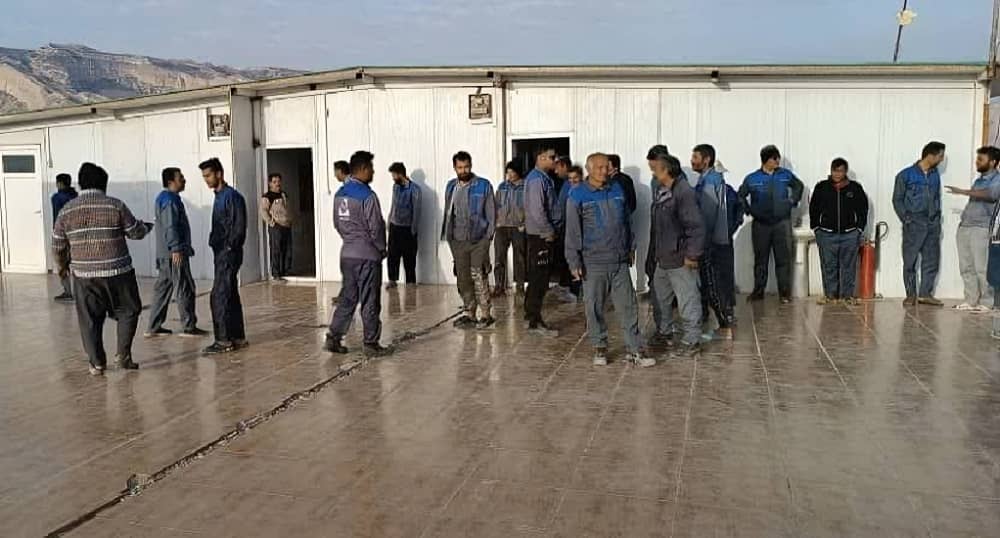
Iran’s vital oil sector is not immune to discontent. Contract oil workers in Lamerd, Tabnak, Varavus, and Eisar have been on strike since March 4, protesting declining living standards. Their rallying cry, “Unity, unity, against poverty and corruption!” reflects a growing movement among workers in this strategic industry.
Repression has been swift. In Takab, police opened fire on striking municipal workers demanding unpaid wages, injuring at least four people. One worker’s son released a voice message, stating, “My father was asking for his rights, and instead of a holiday bonus, they gave him four bullets.” Authorities quickly removed the message.
March 4—Tehran, Iran's capital
Landowners of 33 cooperative estates in northern & eastern Tehran rally to protest 34 years of government neglect, preventing them from building on their purchased lands.#IranProtestspic.twitter.com/087WTTrrvg— People's Mojahedin Organization of Iran (PMOI/MEK) (@Mojahedineng) March 5, 2025
As economic despair deepens, labor protests persist. Oil sector retirees in Ahvaz staged a rally on March 4, demanding better pensions and healthcare while condemning their worsening conditions. In Qazvin, defrauded homebuyers of the Mehr Housing Project staged a protest, demanding their long-overdue housing rights.
A labor official in Qazvin admitted that even a 200% wage increase would be insufficient to cover basic expenses, high .

MEK Iran (follow us on Twitter and Facebook), Maryam Rajavi’s on her site, Twitter & Facebook, NCRI (Twitter & Facebook), and People’s Mojahedin Organization of Iran – MEK IRAN – YouTu