This resolution, spearheaded by three European countries France, the United Kingdom, and Germany received eventual backing from the United States, marking a significant stance against the Iranian regime’s nuclear activities.
During the three-day meeting, IAEA Director General Rafael Grossi and representatives from European countries and the United States expressed grave concerns about Iran’s escalating nuclear activities. In his opening remarks, Grossi highlighted the growing stockpile of enriched uranium in Iran, noting, “Iran’s stockpile of enriched uranium continues to increase, including that enriched up to 60%.” Grossi warned that this escalation severely challenges global nuclear non-proliferation efforts.
Grossi also lamented the lack of progress in resolving outstanding safeguard issues, citing Iran’s failure to provide credible explanations for the presence of uranium particles at undisclosed sites. He emphasized that over three years had passed since Iran stopped the provisional application of its Additional Protocol, thereby hampering the agency’s ability to conduct necessary inspections and access.

The resolution by the European trio initially faced resistance from the United States but eventually garnered support. The US ambassador to the IAEA stated, “Given Iran’s lack of cooperation with the IAEA and our commitment to collective action in support of the Agency and the NPT, the United States supports this resolution.”
Concurrently, a group of US Senators submitted a resolution to the Senate Foreign Relations Committee, advocating for the referral of Iran’s nuclear case to the UN Security Council. This resolution calls for stringent measures to prevent Iran from acquiring nuclear weapons, urging the Biden administration to pursue censure at the IAEA and reaffirming a commitment to take all necessary measures.The EU’s statement urged Iran to resume implementation of the Additional Protocol to enable the IAEA to ensure the peaceful nature of Iran’s nuclear activities.
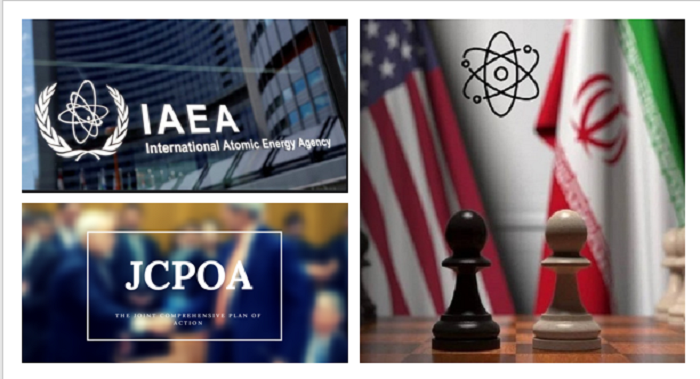
Maryam Rajavi, president-elect of the National Council of Resistance of Iran (NCRI), described the resolution as “inevitable and necessary but wholly inadequate.” Rajavi called for the immediate application of the snapback mechanism and referral of Iran’s nuclear dossier to the UN Security Council. She argued that firm action is essential to prevent Iran from acquiring nuclear weapons and ensure regional security.
The NCRI criticized the policy of appeasement, asserting that it had enabled Iran to advance its nuclear ambitions without significant repercussions.
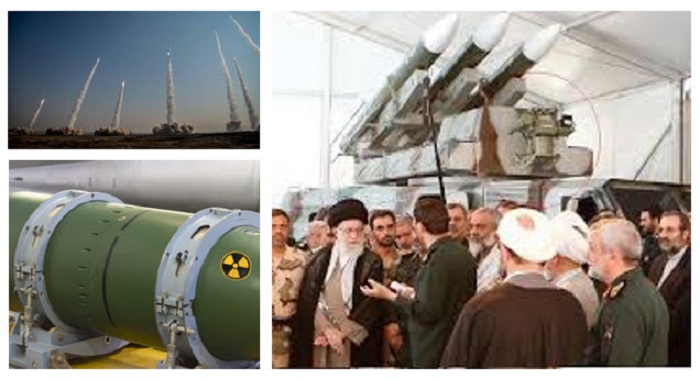
In light of these developments, the international community faces a critical juncture in addressing Iran’s nuclear ambitions. The IAEA resolution represents a step toward increased scrutiny and accountability, but the path forward demands sustained international cooperation and decisive action to ensure global security.

MEK Iran (follow us on Twitter and Facebook), Maryam Rajavi’s on her site, Twitter & Facebook, NCRI (Twitter & Facebook), and People’s Mojahedin Organization of Iran – MEK IRAN – YouTu